Transforming Toronto yards into stunning, sustainable retreats is a delicate balance of aesthetics, environmental responsibility, and personalized design. How can homeowners create outdoor spaces that thrive through Toronto’s four distinct seasons while reflecting their unique tastes? This guide explores the power of native plants, eco-friendly materials, and strategic planning to craft resilient, low-maintenance landscapes that support local ecosystems. From vibrant gardens and functional zones to rain gardens and permeable paving, innovative solutions address both beauty and sustainability. The journey emphasizes collaboration, with visual tools ensuring alignment between homeowner vision and design execution. Routine care, water-efficient systems, and adaptive planting practices extend the longevity of these outdoor retreats, turning them into personal sanctuaries that adapt to seasonal changes. Can responsible landscaping truly marry artistry with ecological mindfulness? The answer lies in thoughtful, ongoing effort—transforming everyday yards into inspiring, eco-conscious spaces that stand the test of time.
Transform Your Outdoor Space with Toronto Landscape & Design’s Expert Backyard Makeover
Looking to elevate your Toronto outdoor area? Toronto Landscape & Design (TLD) offers exceptional backyard makeover services that combine natural stone, water gardens, irrigation systems, and retaining walls to create stunning, functional landscapes. Our award-winning designers take everything into consideration, ensuring your backyard reflects your style and needs. Whether you’re dreaming of a tranquil water feature or durable retaining walls, TLD is your trusted partner for transforming outdoor spaces into beautiful retreats. Contact us today at [email protected] or call 1.416.644.0499 to start your perfect backyard transformation.
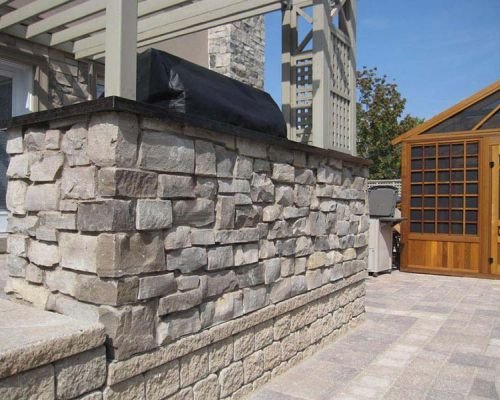
Transforming Toronto Outdoors: A Balance of Beauty, Sustainability, and Personal Touches
Transforming outdoor spaces in Toronto goes far beyond simply enhancing curb appeal; it’s about creating environments that enrich daily life and foster a genuine connection with nature. The city’s diverse neighborhoods and four distinct seasons present unique challenges, but they also open the door to innovative design solutions. The goal is to craft outdoor retreats that are not only visually appealing but also functional and environmentally responsible, tailored to each homeowner’s individual tastes and needs.
Start with understanding Toronto’s climate—hot summers, cold winters, and everything in between. Selecting native plants and durable materials is crucial, as they naturally withstand the seasonal shifts and require less maintenance. Native species support local ecosystems, promote sustainability, and help keep ongoing care manageable. Incorporating eco-friendly features like rain gardens, permeable paving, and naturalistic plantings enhances both the yard’s beauty and its environmental impact.
Designing a yard that balances aesthetics with practicality involves strategic planning. Creating defined zones—such as cozy seating areas, lush gardens, or outdoor dining spaces—maximizes usability without clutter. Layering different plant heights and textures adds visual interest, while focal points like water features or sculptures guide the eye and create a sense of harmony. Listening carefully to the homeowner’s preferences ensures the space truly reflects their personality and lifestyle.
Incorporating eco-conscious practices is more than a trend; it’s essential for long-term success. Using sustainable materials and native plants reduces water and chemical use, making the landscape more resilient and cost-effective over time. Features like rain gardens and recycled materials help manage stormwater and erosion, supporting the health of the environment while enhancing the yard’s visual appeal.
Effective layout and flow are critical. Pathways should feel natural, connecting different zones seamlessly, while trees and shrubs provide shade, privacy, and wind protection. Visual tools such as sketches or digital renderings help homeowners see the final design, ensuring everyone’s expectations align before work begins. This collaborative approach is key to creating a space that feels authentic and well-suited to the homeowner’s vision.
A successful Toronto yard isn’t a one-and-done project. It requires ongoing care—pruning, mulching, seasonal adjustments—that keeps the landscape vibrant and healthy. Installing water-efficient systems like rain barrels or drip irrigation supports sustainability and reduces maintenance. When these practices become routine, the yard remains a lush, inviting retreat that continues to inspire and serve its owners for years to come.
Core Principles for Toronto Landscape Makeovers: Resilience, Planning, and Eco-Responsibility
Successful yard transformations in Toronto hinge on a few core principles that guide every decision, from initial planning to the finishing touches. Recognizing the city’s four distinct seasons is crucial; selecting plants and materials that can withstand cold winters and hot summers ensures the landscape remains vibrant and sustainable year-round. Native plants are especially valuable—they’re naturally adapted to our climate, require less water and maintenance, and support local wildlife, making them both practical and eco-friendly choices.
Designing a yard that balances beauty with utility starts with strategic planning. Creating clearly defined zones—such as cozy patios, lush garden beds, or outdoor dining areas—helps maximize functionality without clutter. Layering different types of plants, from ground covers to tall trees, adds depth and visual interest, while focal points like water features or sculptures draw the eye and create a sense of harmony throughout the space. Listening closely to the homeowner’s preferences ensures the finished yard truly reflects their personality and lifestyle.
Eco-conscious practices are no longer optional; they are essential for sustainable landscaping. Using permeable pavers, recycled materials, and native plantings helps manage stormwater, prevent erosion, and reduce reliance on chemicals. Rain gardens and composting areas further support water management and waste reduction, boosting the yard’s resilience. Incorporating these sustainable elements early in the process ensures the landscape isn’t just beautiful but also environmentally responsible and easier to maintain over time.
Understanding layout and flow is critical to creating a functional yard. Pathways should feel natural, connecting different zones smoothly without feeling forced. Proper placement of trees and shrubs provides shade, privacy, and protection from wind—adding comfort and energy savings. Visual tools like sketches or digital renderings help homeowners grasp how the design will come together, making sure everyone’s expectations are aligned before work begins. This collaborative approach fosters trust and results in a space that truly fits the homeowner’s vision.
A successful Toronto yard isn’t achieved with one big effort; it’s an ongoing process of care and refinement. Routine pruning, mulching, and seasonal adjustments keep plants healthy and the landscape lively. Installing water-efficient systems like rain barrels or drip irrigation supports sustainable watering practices and reduces ongoing costs. When homeowners integrate these practices into their routine, their yards stay lush, vibrant, and resilient, no matter the season.
Designing a landscape in Toronto requires balancing aesthetics with environmental responsibility, practicality with beauty. The principles of native planting, sustainable materials, and thoughtful layout serve as a foundation for creating outdoor spaces that are both stunning and resilient. These core ideas help turn a simple yard into a personal retreat that enhances daily life while respecting the local environment.
By adhering to these fundamental principles, homeowners can build outdoor spaces that stand the test of time. They become more than just beautiful settings—they evolve into eco-friendly retreats that support local ecosystems and reflect personal values. Embracing innovation, staying committed to maintenance, and working collaboratively with experts ensure each yard remains a source of pride and inspiration for years to come.
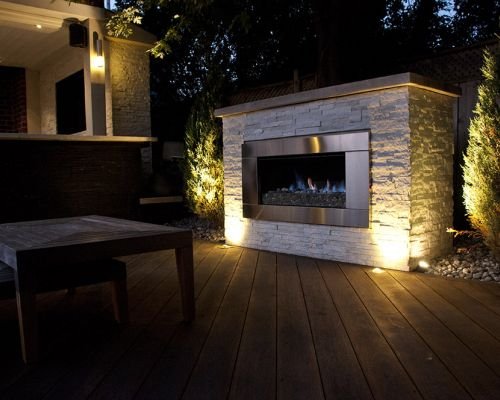
Harmonizing Style with Sustainability: Creating Eco-Friendly, Stunning Gardens
Balancing visual appeal with environmental sustainability in landscape design is about making smart choices that enhance beauty without compromising the health of the planet. Native plants are a key element—they thrive naturally in Toronto’s climate, offering vibrant colors and textures while requiring less water, fertilizers, and pesticides. This not only creates a lush, colorful yard but also supports local ecosystems and reduces maintenance costs over time.
Eco-friendly materials further elevate a yard’s look while shrinking its ecological footprint. Permeable pavers, recycled stone, and sustainably sourced wood help manage stormwater runoff and prevent erosion, adding visual interest and texture. When combined with naturalistic plantings and rain gardens, these elements create a cohesive, inviting space that feels connected to its environment. Small ponds or cascading fountains can serve as focal points, providing aesthetic charm and a calming ambiance.
Lighting choices also play a role in this harmony. Solar-powered path lights or energy-efficient LEDs add warmth and charm after sunset, conserving energy without sacrificing style. Artistic features like sculptures or unique seating areas personalize the space, making it feel curated and intentional. When these elements are thoughtfully integrated, they reinforce the overall aesthetic while emphasizing eco-consciousness.
Designing with purpose means understanding what the homeowner values most—whether it’s a low-maintenance garden, a vibrant flower display, or a space for gatherings. Visual tools like sketches or digital renderings help align expectations early, ensuring the final result reflects both their style and ecological commitments. Personalization through sustainable choices makes the yard a true extension of the homeowner’s values.
Sustainable practices don’t have to mean sacrificing beauty. Instead, they can seamlessly blend into the overall design, creating a cohesive and refined outdoor space. Every material, plant, and feature should support the overarching goal: a yard that is both stunning and environmentally responsible. This approach results in a landscape that is resilient, adaptable, and built to last through Toronto’s seasonal changes.
Maintaining this balance over time requires ongoing care and mindfulness. Regular pruning, mulching, and seasonal adjustments keep plants healthy and the landscape vibrant. Installing water-saving systems like rain barrels or drip irrigation supports ongoing sustainability efforts. When these practices become routine, the yard remains a lush, eco-friendly retreat—beautiful, functional, and aligned with the broader goal of responsible landscaping.
Real-World Toronto Landscapes: Applying Principles Within a Unique Climate and Community
Applying landscape principles in Toronto’s real-world settings means tailoring designs to fit the city’s unique climate and community needs. Native plants like coneflowers, black-eyed Susans, and native grasses thrive naturally here, making them ideal choices for creating resilient, low-maintenance yards that can withstand Toronto’s cold winters and hot summers. These plants not only support local pollinators and wildlife but also reduce water and chemical requirements, making ongoing care easier and more eco-friendly.
Designing with the community in mind is essential. Many Toronto yards now feature accessible pathways, cozy seating areas, or private corners that invite residents to spend more time outdoors. Incorporating native plantings alongside practical elements like permeable patios or rain gardens transforms ordinary spaces into vibrant, sustainable retreats for daily life. These thoughtful touches turn a simple backyard into a personal oasis that meets both functional and aesthetic goals.
Seeing these principles in action highlights the importance of understanding local conditions. Projects across Toronto demonstrate how strategic planting, water management, and eco-friendly materials can elevate outdoor spaces. For instance, converting a narrow backyard into a lush garden with native grasses and wildflowers not only adds visual appeal but also helps manage runoff through rain gardens, while recycled materials provide durable, sustainable surfaces. Such examples show that aligning design choices with Toronto’s environment creates spaces that are both beautiful and resilient.
Communication between designers and homeowners plays a pivotal role. Visual tools like sketches and digital renderings help clarify the final look and feel, ensuring expectations are aligned before construction begins. When clients understand how their yard will come together, they’re more likely to embrace eco-friendly features and routine maintenance practices. This collaborative approach fosters trust and results in outdoor spaces that genuinely reflect the homeowner’s personal style and ecological values.
Long-term success depends on ongoing care tailored to Toronto’s seasonal shifts. Regular pruning, mulching, and seasonal adjustments keep plants healthy and vibrant. Installing water-efficient systems such as rain barrels or drip irrigation supports sustainability and reduces water use. When homeowners incorporate these practices into their routines, their yards remain lush and inviting year-round, even through harsh winters and hot summers.
Ultimately, transforming a Toronto yard into a sustainable outdoor retreat hinges on understanding local conditions and community needs. By applying native planting, eco-friendly materials, and thoughtful layout, homeowners can create resilient, beautiful landscapes that stand the test of time. Ongoing collaboration, maintenance, and innovation ensure these spaces continue to inspire and serve as personal sanctuaries, reflecting both environmental responsibility and individual style.
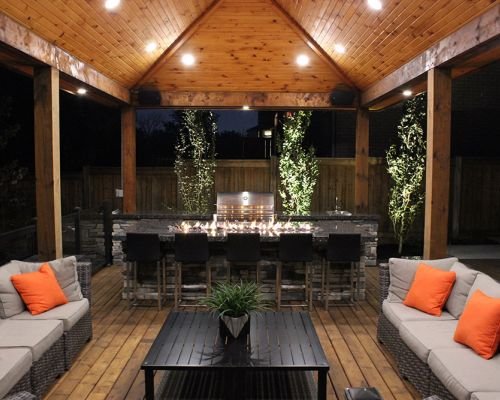
Enduring Beauty and Innovation: Crafting Lasting, Sustainable Toronto Gardens
Transforming Toronto yards into beautiful, sustainable outdoor retreats is an ongoing journey that blends creativity, environmental responsibility, and collaborative effort. By focusing on native plants, eco-friendly materials, and thoughtful design, homeowners can create spaces that not only captivate the eye but also endure Toronto’s seasonal shifts. These core principles lay a solid foundation for landscapes that are resilient, low-maintenance, and true reflections of personal values.
Innovation keeps outdoor spaces fresh and relevant. As new technologies, materials, and plant varieties emerge, they open exciting possibilities for sustainable design. Embracing smart irrigation systems, native plant varieties, and solar lighting ensures each project remains forward-thinking and aligned with eco-conscious goals. Staying open to these advancements pushes the boundaries of what’s achievable, turning ordinary yards into extraordinary outdoor retreats.
A well-designed yard supports the environment and enhances daily life. Incorporating native plants reduces resource use, while features like rain gardens and permeable paving manage water runoff and erosion naturally. These elements not only improve the yard’s aesthetic appeal but also contribute to its long-term health, making it more adaptable and resilient through Toronto’s seasonal changes.
Clear communication and ongoing collaboration between homeowners and designers are vital. Visual tools such as sketches and digital renderings help set realistic expectations and foster a shared vision. When clients are involved throughout the process, they develop a sense of ownership and confidence, which encourages routine maintenance and care. This partnership ensures the final landscape genuinely reflects the homeowner’s lifestyle and ecological commitments.
Long-term success hinges on routine care and a mindset dedicated to sustainability. Regular pruning, mulching, and seasonal adjustments keep plants healthy and landscapes vibrant. Installing water-saving systems like rain barrels and drip irrigation supports ongoing conservation efforts. When homeowners embrace these practices, their yards remain lush, inviting, and eco-friendly year-round, regardless of Toronto’s ever-changing weather.
Creating a sustainable outdoor space is more than a single project; it’s a chance to set a standard for responsible landscaping in Toronto. By combining artistic vision with innovative, eco-conscious practices, each yard becomes a personal sanctuary that inspires pride and community connection. These efforts build a legacy of thoughtful design, where beauty and sustainability go hand in hand, shaping outdoor spaces that will thrive for generations to come.