Underground street racing is more than just high-speed thrill-seeking; it’s a fierce culture rooted in loyalty, brotherhood, and rebellion that thrives beneath the city’s neon glow. Each race is a testament to skill and bravery, but deeper bonds are forged through shared risks, customs, and a collective defiance of authority. This clandestine community has evolved from spontaneous gatherings into a global movement, with car modifications and rituals symbolizing identity and pride. Despite ongoing threats from law enforcement, the scene’s resilience persists—fueled by innovation, digital connectivity, and unwavering loyalty. As technology advances, so does the scene’s ability to adapt, balancing tradition with modernity. Could this enduring brotherhood, built on trust and shared purpose, sustain itself amid increasing crackdown efforts? Underground racing’s essence lies not just in speed but in the relentless pursuit of independence, belonging, and a rebellious spirit that continues to define urban youth culture.
Underground Street Racing: A Culture of Loyalty, Brotherhood, and Adrenaline
Underground street racing has become much more than a reckless thrill; it’s a powerful symbol of adrenaline, loyalty, and brotherhood that thrives in the shadows of urban life. Each race is a raw display of skill and courage, but beneath the roar of engines and screeching tires lies a deeper sense of community. Racers don’t just compete for victory—they race to belong, to connect with others who share their passion and defy societal norms together.
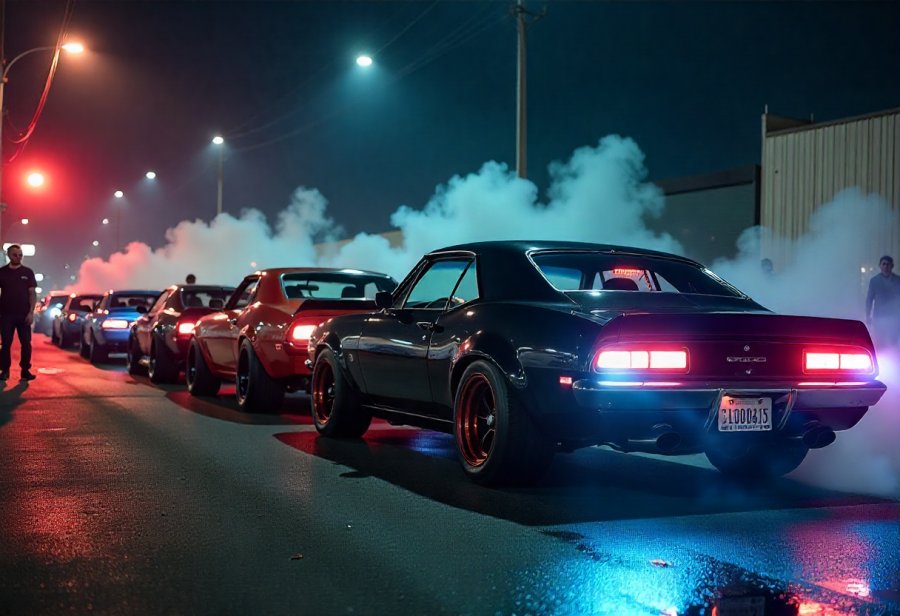
Nighttime transforms these clandestine events into something almost ritualistic. Darkness cloaks the streets in secrecy, heightening the sense of danger and excitement. Flickering streetlights, neon signs, and the glow from engine bays set a vivid scene—one where trust and loyalty are everything. These races often feel like a shared secret, a bond forged through a collective rebellion against authority and convention.
The culture extends well beyond the act of racing itself. It’s rooted in a community that supports each other through every twist and turn. Racers spend countless nights swapping tips on tuning and repairs, celebrating victories, or helping each other rebuild after crashes. These shared experiences create a kinship that often feels more like family—built on mutual respect, trust, and a common desire to push boundaries together.
This brotherhood isn’t just about speed; it’s about sharing a lifestyle. Custom cars are a badge of identity, each modification reflecting individual style and personality. Rituals like secret handshakes, pre-race greetings, and coded signals reinforce the sense of belonging. These traditions link generations of racers, passing down stories and customs that keep the culture alive and thriving.
Loyalty runs deep in this underground scene. Members rely on each other’s skills and honesty, especially when stakes are high and risks are real. During races, teammates act as spotters and safety watchers, ready to step in if something goes wrong. This collective trust turns individual acts into a collective effort, cementing bonds that often last a lifetime.
Despite ongoing threats from law enforcement and safety concerns, the scene persists, driven by resilience and a shared spirit of rebellion. Digital tools and underground networks keep the community connected and organized, ensuring traditions endure. In this way, underground racing remains an act of defiance and a testament to youth’s desire for independence and belonging.
At its core, underground street racing embodies more than just speed. It’s a culture built on loyalty, brotherhood, and identity—where bonds are forged in the heat of high-stakes competition and shared risk. These relationships form a support system that sustains the scene through challenges, making it a vital part of urban youth life. It’s a rebellious space where connection runs deeper than the asphalt, and the sense of family endures long after the engines cool.
From spontaneous gatherings to global phenomenon: The Evolution of Street Racing
Street racing’s origins trace back to a time when young drivers sought thrills outside the confines of formal circuits. It often began with spontaneous gatherings—small groups in quiet neighborhoods, parking lots, or abandoned industrial areas—where enthusiasts could test their cars’ limits without interference. These early races weren’t about trophies or fame; they were about proving bravery and skill, driven by a rebellious spirit and a desire for recognition. The scene grew organically, fueled by a need to stand out and push boundaries beyond societal expectations.
As interest intensified, these casual meets evolved into more organized clandestine races. Racers developed signals and secret meeting spots to evade law enforcement, transforming street racing into a subculture with its own unwritten rules. Car modifications—turbo engines, custom paint, sleek body kits—became symbols of identity and creativity, elevating the scene from simple speed tests to a form of artistic expression. This evolution fostered a community built on loyalty, pride, and technical mastery, setting the stage for a broader cultural movement.
Over time, street racing spread globally, from Los Angeles to Tokyo and Seoul, forming dedicated crews with unique rituals, cars, and territories. These groups built reputations not only on their speed but also on brotherhood and loyalty. Symbols, slang, and traditions passed down through generations created a shared identity, offering an alternative space for youth feeling disconnected from mainstream society. This sense of belonging became as important as the races themselves, deepening the community’s roots.
The digital age accelerated this growth, making it easier to organize secret events and connect worldwide. Online forums, social media, and encrypted messaging allowed newcomers to learn tuning tricks, race strategies, and safety tips, helping the scene adapt and endure despite crackdowns. This technological shift reinforced the scene’s resilience, allowing it to evolve while remaining rooted in its rebellious origins. Today’s street racing scene continues to balance tradition with innovation, driven by a collective desire to express independence and defy convention.
Throughout its history, street racing has shown remarkable adaptability. Whether spontaneous acts of rebellion or organized networks, it remains a powerful symbol of youth’s drive for self-expression and freedom. Despite ongoing risks and legal threats, the core elements—creativity, loyalty, adrenaline—persist. The scene’s ability to reinvent itself across generations proves that underground street racing isn’t just a fleeting trend; it’s a lasting cultural phenomenon rooted in the need for connection, identity, and rebellion.
Inside the Bonds of the Racing Brotherhood: Loyalty, Rituals, and Shared Identity
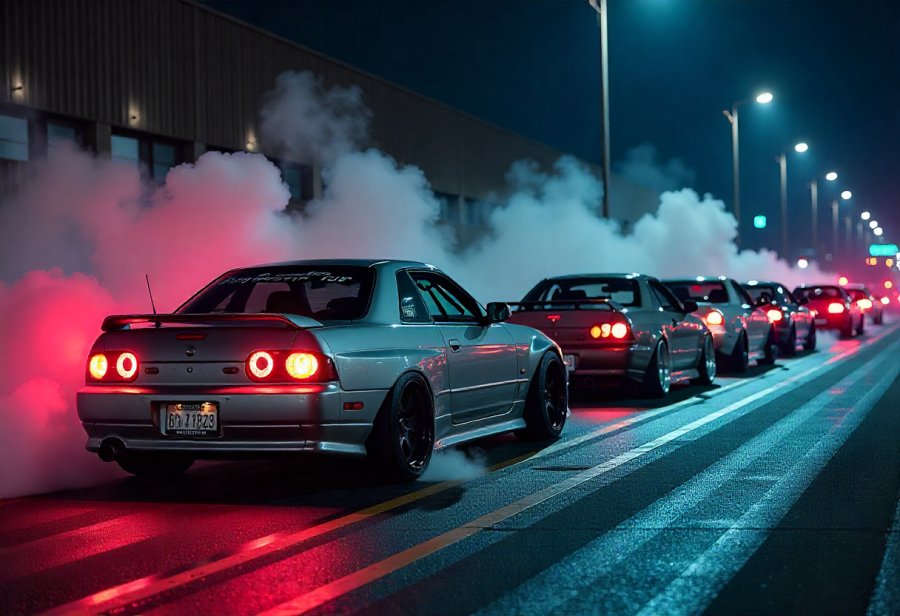
Underground racing groups don’t come together by chance; they grow from shared passions and a mutual understanding of the risks involved. Most crews start as friends or local enthusiasts who bond over customizing their cars and testing their limits on the streets. As trust builds through these common interests, loyalty deepens—especially when members support each other during risky races or help repair damaged vehicles. Loyalty isn’t just about winning; it’s about proving you’ve got each other’s backs, no matter what’s at stake.
Within these crews, loyalty runs deep. It’s the glue that holds everyone together, especially when external threats like police crackdowns or internal conflicts over turf or leadership arise. Members go out of their way to protect each other—hiding teammates from authorities, sharing insider tuning tips, or helping rebuild after crashes. Rituals like pre-race greetings or secret signals aren’t just practical—they symbolize belonging. These customs, passed down through generations, reinforce a shared identity rooted in respect, trust, and mutual support.
The bonds are often expressed through unique traditions and customs. Greeting routines, secret handshakes, and signals used to start races aren’t just practical—they’re symbols of membership. Cars are often customized to reflect each member’s personality, further strengthening individual pride within a collective culture. These rituals help create a sense of continuity, linking new racers with veterans and fostering a culture that values loyalty, respect, and shared purpose.
Trust is vital in this underground scene. Racers depend on each other’s skills, honesty, and support because risks are high and outcomes unpredictable. During a race, teammates act as spotters or safety watchers, ready to intervene if something goes wrong. This reliance on each other’s judgment and loyalty turns individual acts into a collective effort, transforming a group of racers into a tight-knit family. It’s this sense of brotherhood that sustains the scene, creating lifelong bonds forged in the heat of high-stakes competition.
Maintaining these relationships isn’t always easy. Law enforcement crackdowns threaten to dismantle crews, forcing members into even greater secrecy and loyalty. Conflicts over leadership or territory can cause fractures, but the core bonds—built on shared risks and respect—usually hold strong. Stories from Los Angeles, Tokyo, and Seoul show how acts of loyalty—like rebuilding cars after crashes or covering for each other during police raids—go beyond racing, becoming acts of trust that forge unbreakable bonds.
More Than Speed: The Cultural Impact and Creative Spirit of Underground Racing
Underground street racing’s influence reaches far beyond the thrill of the race, shaping youth culture and community identity in profound ways. Central to this scene is the artistry of car modification, where enthusiasts transform ordinary vehicles into bold statements of personality and creativity. Custom paint jobs, intricate decals, performance upgrades, and sleek body kits turn cars into moving canvases, allowing racers to express their individuality while fostering a sense of pride. These machines become symbols of identity, reflecting both personal style and technical skill, and they often serve as badges of honor within the community.
The scene also acts as a vital social hub, where friendships are forged and traditions passed down across generations. Secret meetups and clandestine races create spaces for sharing tuning techniques, swapping stories, and celebrating achievements. These gatherings foster a collective sense of belonging, transforming casual participants into part of a wider, supportive community. For many, these moments are rites of passage—opportunities to build trust, develop skills, and reinforce their place within a shared culture rooted in rebellion and innovation.
Underground racing embodies a spirit of independence and defiance that challenges mainstream norms. The DIY ethos encourages young people to take ownership of their vehicles, emphasizing creativity, resourcefulness, and self-reliance. This attitude empowers them to carve out a space where non-conformity is celebrated, and loyalty to their crew or community is paramount. As a result, street racing becomes more than just a high-speed activity—it’s a way for youth to assert their identity and stand apart from societal expectations.
Despite its appeal, the culture’s emphasis on risk and rebellion can lead to unsafe practices and clashes with authorities. Yet, the community’s resilience persists through shared knowledge, mutual support, and a collective drive to keep traditions alive. Symbols, slang, and customs passed through generations deepen the sense of belonging, creating a culture that is both resilient and adaptive. This ongoing dynamic ensures that underground racing remains a vital expression of youth identity, even as external pressures mount.
At its core, underground street racing is about more than speed. It’s a vibrant culture rooted in creativity, loyalty, and a fierce desire for independence. The bonds formed through shared risks and high-stakes competition extend beyond the streets, forging lifelong relationships that sustain the scene through challenges. As new generations continue to innovate and adapt, the spirit of rebellion and brotherhood endures, making underground racing a powerful, living part of urban youth culture that refuses to fade away.
Future Paths of Underground Street Racing: Resilience, Innovation, and Cultural Legacy
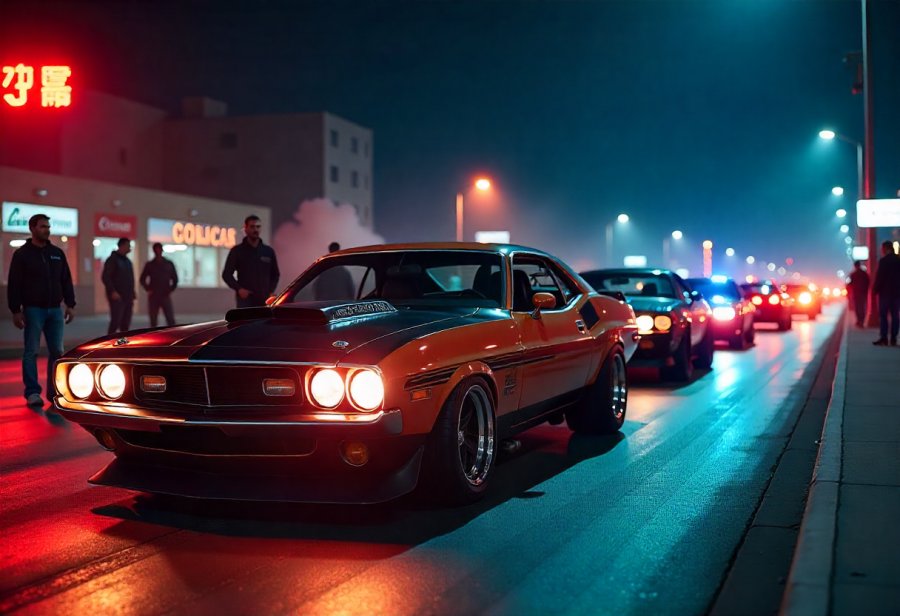
Underground street racing has shown remarkable resilience, proving it’s more than just a rebellious pastime—it’s a lasting culture that continues to adapt in the face of legal pressure and safety concerns. Its core values of loyalty, brotherhood, and shared identity remain strong, fueling its persistence across generations. As technology advances, so does the scene’s ability to evolve. Digital platforms now facilitate organization and connection, while innovative tuning techniques keep the community at the forefront of car culture. These shifts suggest that underground racing will endure, even if its form or location changes, maintaining its rebellious spirit while navigating new realities.
Looking ahead, the scene is poised to find a balance between covert gatherings and more organized, yet still unofficial, events that can better withstand law enforcement efforts. Participants are increasingly resourceful, sharing safety insights and technical knowledge to sustain their traditions. This collective exchange strengthens trust and ensures the cultural bonds remain intact, reinforcing the scene’s resilience amid external challenges. Despite crackdowns, the sense of kinship and rebellion continues to inspire racers to seek out ways to keep their community alive and thriving.
At its core, underground racing is driven by a desire for independence and belonging. The relationships built through shared risks and high-stakes competition form a support network that many rely on, especially when mainstream society offers little in the way of connection. These lifelong bonds, rooted in trust and common purpose, extend beyond the streets into other aspects of their lives, creating a sense of purpose that sustains the scene through adversity. Their shared experiences transform racing from a mere activity into a vital expression of identity and resilience.
Technological innovations like smartphones, GPS, and advanced tuning tools will continue to shape its future landscape. While these tools can enhance safety and organization, they also present new hurdles for authorities trying to curb illegal activities. As social attitudes shift—viewing street racing either as a dangerous relic or a vital form of self-expression—the scene’s evolution hinges on how well communities adapt and how authorities respond. Despite these shifts, the core desire for adrenaline, camaraderie, and creative expression remains unchanged.
Safety concerns will likely remain a persistent challenge, but community resilience depends on ongoing innovation and mutual support. Sharing knowledge, resources, and best practices helps mitigate risks and preserves the brotherhood that defines underground racing. Each new generation of racers injects fresh energy and ideas, ensuring the culture continues to thrive and adapt. This ongoing cycle of renewal keeps the scene vibrant, capable of weathering external threats while maintaining its rebellious edge.
The relationships formed in underground racing extend well beyond the thrill of competition—they become lifelong bonds rooted in shared experiences, trust, and mutual support. These connections act as a safeguard against external pressures, offering stability amid chaos. Passing down customs, rituals, and values maintains continuity and strengthens the community’s sense of identity. This enduring sense of family and loyalty makes underground racing more than a pastime; it’s a lasting social movement that continues to inspire and unite.
In the end, underground street racing embodies more than just speed—it’s a powerful statement of defiance, creativity, and community. Its future will depend on how well it balances tradition with innovation, keeping alive its rebellious spirit while embracing new tools and ideas. As long as young people seek adrenaline and belonging, the scene will find ways to persist, evolve, and inspire. The bonds of loyalty and brotherhood will ensure that underground racing remains a vital element of urban youth culture, fueling its flame for generations to come.