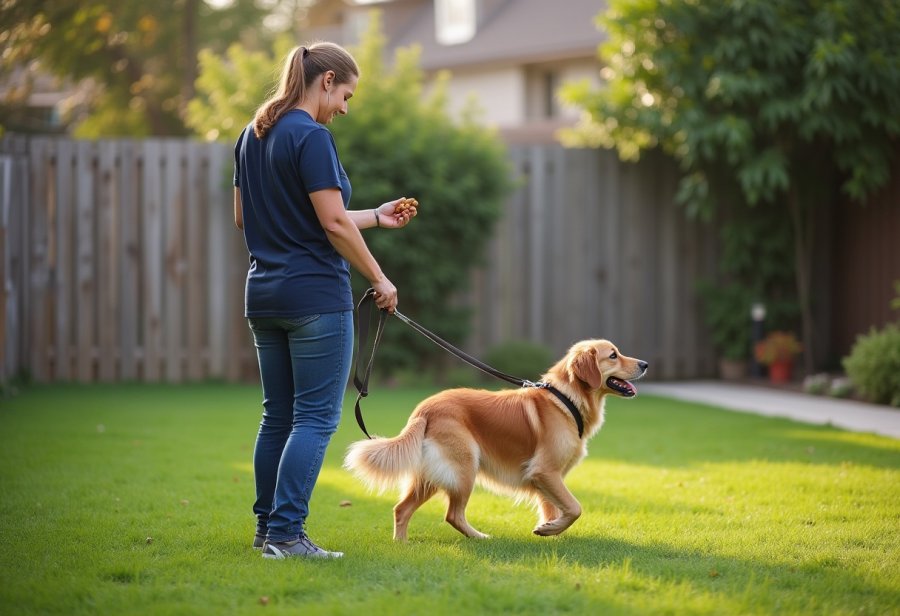
What if the greatest obstacle to mastering water is simply taking that first courageous step? Learning to swim is more than just acquiring strokes—it’s a transformative journey that turns fear into confidence at any age. With patience, gentle guidance, and innovative tools, even the most anxious beginner can progress from hesitant splashes to smooth strokes, embracing water as a space of joy and empowerment. Historically rooted in survival but now evolving into a lifelong skill, swimming education has become more inclusive and accessible, thanks to modern techniques and technology. Today’s personalized, supportive programs help bridge gaps in access and confidence, making water safety achievable for everyone. The process isn’t about perfection but progress—and each small victory, from floating unaided to swimming independently, reinforces resilience and independence. Are you ready to turn water from a source of anxiety into your greatest ally for adventure, safety, and self-growth?
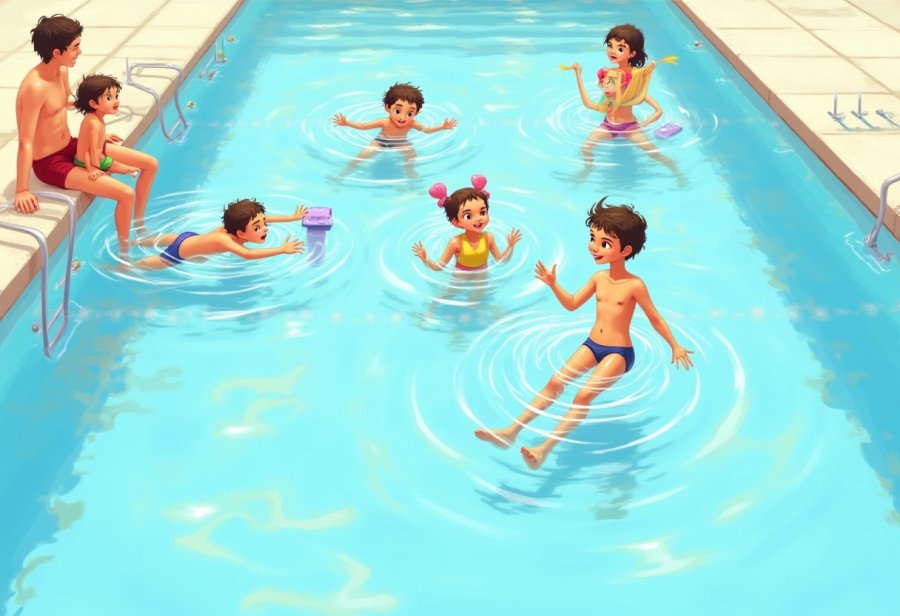
Transforming Fear into Freedom: The Journey of Learning to Swim
Learning to swim isn’t just about mastering strokes or floating—it’s a journey that can transform how you see water and yourself. For many, water begins as a source of anxiety, whether at the pool, the beach, or a lake. But with patience, gentle guidance, and the right support, that fear can fade, replaced by confidence and enjoyment. Each small step forward—like floating on your back or taking a few independent strokes—serves as a milestone, gradually breaking down mental barriers that have built up over the years.
Many adults carry lingering fears of water that can feel overwhelming at first. These anxieties are common and manageable with the right approach. Starting slowly with tools like floatation devices or breathing exercises helps build trust in your body and mind. Over time, success feels more accessible, and the water that once seemed intimidating becomes a space for growth and fun.
This process isn’t about speed; it’s about progress at your own pace. Everyone’s journey is unique, and celebrating small victories keeps motivation high. Whether it’s dipping toes in the water, floating unaided, or swimming a short distance, each achievement boosts confidence and deepens your connection with water. Learning to swim is a personal adventure, not a race, and every step counts.
The importance of this journey extends beyond physical skills. It’s about developing resilience, trust, and independence. Water confidence opens doors to new adventures—vacations, outdoor activities, or simply relaxing at a pool—without fear holding you back. As your trust grows, water becomes less a place of danger and more a source of freedom and joy.
Supportive tools like floatation devices, visual aids, and staged lessons make the learning process smoother. These resources help break complex movements into manageable steps, making success feel within reach from the start. With consistent effort, water that once prompted hesitation now invites exploration and fun.
Learning to swim is a powerful act of self-empowerment—one that can change your relationship with water forever. It’s about turning fear into confidence, anxiety into enjoyment. No matter your age, the first step might be the hardest, but it’s also the most rewarding. Starting today, embracing that step can open up a lifetime of safe, joyful water experiences.
From Survival Skills to Lifelong Confidence: The Evolution of Swimming Education
The way we teach swimming has changed dramatically over the years, reflecting shifting attitudes toward water safety and skill development. In earlier times, swimming was often viewed as a survival skill essential for communities near lakes, rivers, or coastlines. Children learned informally—watching family members or through trial and error—because water was a natural part of daily life. Structured lessons were rare outside specific regions or social groups, and the focus was primarily on practical safety rather than enjoyment.
As urbanization increased and awareness of drowning risks grew, the emphasis shifted toward organized instruction and standardized safety protocols. In the 19th century, swim schools started to emerge, introducing methods focused on basic survival techniques like floating and rudimentary strokes. These early efforts aimed to prevent accidents but often overlooked confidence-building or making swimming accessible to all. Moving into the early 20th century, formal lessons became more widespread, especially in Western countries, combining safety with social engagement and enjoyment.
Over time, the approach to teaching swimming evolved from purely survival techniques to methods that foster confidence, comfort, and fun in the water. Instructors began using supportive tools such as floatation devices and staged progressions, helping learners feel safe and supported. This shift made water education more inclusive, especially for those with fears or anxieties, emphasizing trust and positive experiences alongside technical skills. The goal became creating a lifelong relationship with water that was rooted in confidence rather than fear.
Different cultures have developed their own styles of swim instruction, influenced by local norms and access. In many countries, swimming is taught from a young age and regarded as a vital safety and recreational skill. Others have less emphasis on water education due to limited resources or cultural reservations. Despite these differences, the overarching aim has been consistent: to make water a safe, enjoyable environment accessible to everyone, regardless of background or ability.
Progress in swimming education has also been driven by safety standards and community programs. Lifeguard training, rescue techniques, and certification processes now ensure high-quality instruction and emergency preparedness. Inclusive programs targeting diverse populations, including people with disabilities or those from underserved communities, have expanded access and reduced barriers. These developments reflect a broader understanding that confidence in water benefits everyone and should be nurtured from childhood onward.
Looking back, the history of swimming instruction highlights a move from basic survival skills to comprehensive programs that promote lifelong confidence and enjoyment. This evolution has saved lives, strengthened communities, and fostered a culture where water is seen as a space of safety, fun, and personal growth. Today’s methods blend tradition with innovation, making the journey to water confidence more attainable and meaningful for learners of all ages.
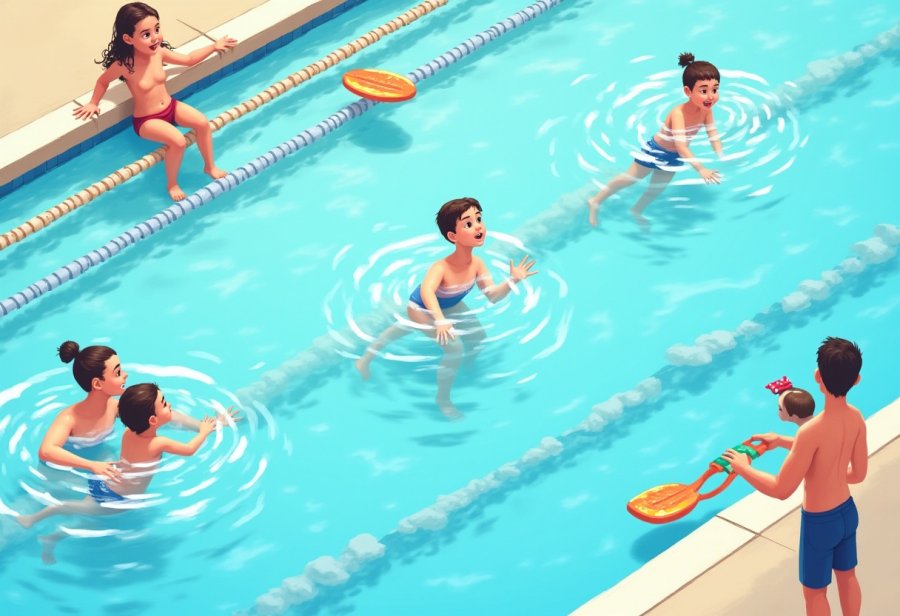
Modern Methods and Challenges in Teaching Water Confidence Today
Today, learning to swim is more accessible and varied than ever before. Modern programs focus not only on the basics but also on building confidence and ensuring safety across different environments—from community pools to open water. Instructors utilize a range of tools like video demonstrations, floatation devices, and personalized lesson plans that adapt to each learner’s comfort level. This tailored approach helps reduce anxiety by making skills feel manageable and encouraging steady progress at a comfortable pace.
Despite these advancements, challenges remain. Access to quality instruction is uneven, especially in underserved communities or areas with limited resources. Many adults and children still face lingering fears that can take time and patience to overcome. Water anxiety doesn’t disappear overnight; it often requires consistent support from instructors, family, and friends to see real improvement. Recognizing this, many programs now emphasize creating a supportive, encouraging environment that fosters gradual trust and confidence.
Fortunately, new opportunities are emerging to address these gaps. Digital resources like mobile apps, online tutorials, and virtual coaching allow learners to practice outside formal lessons, reinforcing skills and boosting confidence at their own pace. Inclusive programs are gaining momentum, aiming to reach diverse groups—including people with disabilities or cultural reservations—that might otherwise face barriers to learning. These initiatives help make swimming education more equitable and welcoming, broadening access for all.
Modern lessons prioritize creating positive experiences from the start. Beginners are introduced gradually through simple exercises such as breathing techniques, floating, and gentle kicking, before progressing to strokes. Visual aids and staged skill development make each step clear and achievable, helping learners feel a sense of accomplishment early on. This approach not only reduces fear but also keeps motivation high, making the journey enjoyable rather than intimidating.
Attitudes toward water vary widely across cultures, influencing how swimming is taught and perceived. In many countries, swimming is ingrained from childhood as a vital safety and recreational skill. In others, cultural norms or limited access hinder widespread water education. Recognizing these differences allows instructors to adapt their methods, ensuring lessons resonate locally and respect individual backgrounds. This cultural sensitivity helps foster trust and enhances the effectiveness of learning.
Safety standards and regulatory frameworks play a crucial role in today’s swimming landscape. Certification programs for instructors and lifeguards ensure high-quality teaching and rescue skills, while regular facility inspections promote safe environments. Emergency protocols and rescue techniques are integrated into training, instilling confidence in both learners and educators. These measures create a foundation of trust that encourages more people to engage with water confidently and safely.
Overall, today’s approach to teaching swimming blends tradition with innovation. Time-tested techniques are now supported by technology and inclusive practices that make water confidence attainable for everyone. The focus remains on safety, enjoyment, and resilience—building a lifelong relationship with water that is fun, secure, and empowering. As methods continue to evolve, more individuals are discovering that overcoming water fears is not only possible but also transformative.
Beyond Strokes: How Swimming Skills Impact Daily Life and Safety
Learning to swim extends well beyond acquiring strokes or floating techniques; it fundamentally shapes how we navigate daily life and handle water-related situations. Confident swimmers are better equipped to respond swiftly and effectively in unexpected moments, whether it’s a sudden splash at the beach or an accidental slip in the pool. Knowing basic rescue and safety skills can make the difference between a minor incident and a serious emergency, underscoring how vital water competence truly is.
Developing swimming skills fosters independence that benefits the entire family. When children and adults can confidently manage themselves in water, outings become more relaxed and enjoyable. Vacation trips, pool parties, or outdoor adventures are less stressful when safety isn’t a concern. Over time, the familiarity and comfort gained through practice become second nature, allowing you to wade through shallow lakes or cross calm streams without hesitation.
Many people find that learning to swim transforms their mental outlook as much as their physical ability. Overcoming fears and practicing simple skills like floating or breathing techniques builds resilience and trust in your body. As confidence increases, water transitions from a source of anxiety to a space of relaxation and fun. This mental shift encourages participation in more water activities, opening doors to new experiences and personal growth that might have once seemed out of reach.
Tools like floatation devices, visual aids, and gradual skill-building steps play a crucial role in easing beginners into this journey. These supports break down complex movements, making each milestone feel achievable. As comfort improves, learners naturally progress to more advanced strokes and techniques, feeling more in control and less hesitant. This steady, supportive approach nurtures both safety and enjoyment, turning water into a safe playground rather than a place of worry.
Ultimately, learning to swim creates ripples that extend into all aspects of life—enhancing safety, fostering independence, and enriching emotional resilience. It shifts water from a potential danger into a space of freedom and exploration. Whether for personal safety, family peace of mind, or the simple joy of playing in the water, these skills build a foundation for lifelong confidence. Taking that first step might be challenging, but the rewards—safety, joy, and empowerment—are worth every effort.
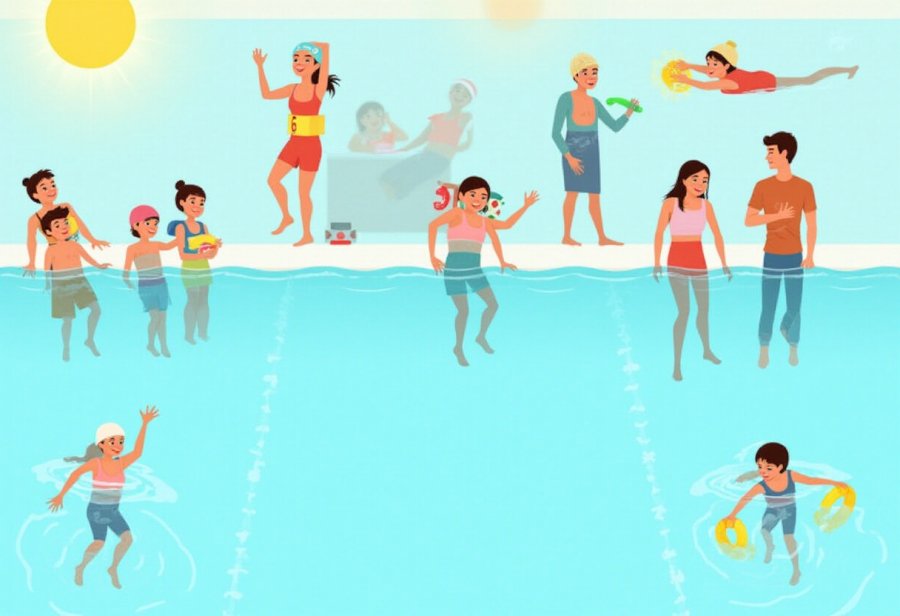
Taking the First Step: Embrace Your Water Confidence Journey
Learning to swim is a journey that can profoundly change how you experience water. The core message is that overcoming fears and building confidence at any age is entirely within reach—if you approach it with patience and support. Every small step, whether it’s floating unaided or swimming a few strokes, brings you closer to feeling safe and free in the water. Recognizing that progress isn’t always linear helps keep expectations realistic and motivation high. Starting where you are and celebrating each victory keeps the momentum going.
Confronting water fears can be daunting, but each hurdle you overcome adds to your sense of empowerment. Even minor successes—like floating on your back or breathing calmly—plant seeds of trust in your abilities. Water fears often stem from past experiences or anxieties, but with steady effort and gentle guidance, they can be transformed into confidence. Remember, setbacks are normal; persistence is what makes the difference. Every attempt, no matter how small, is a step toward a more positive relationship with water.
Supporting yourself with the right tools and environment makes this process smoother. Using flotation devices, visual aids, and staged lessons helps break down complex movements into manageable pieces, making success feel accessible early on. As your comfort grows, so does your ability to try more advanced skills, reinforcing safety and enjoyment. This gradual approach turns water from a place of worry into a space of adventure, relaxation, and fun.
Building lifelong water confidence isn’t just about mastering techniques; it’s about nurturing a mindset of resilience and independence. As your trust in water deepens, you’ll find yourself more willing to explore new activities or revisit familiar ones with less fear. This transformation opens doors to adventures you might have avoided before, enriching your life with new experiences and a stronger sense of self. Each effort you make plants the seeds for a lifelong bond with water—safe, joyful, and empowering.
Remember, this isn’t a race. Progress is personal and unique. Celebrate every small victory—whether it’s dipping your toes in or floating unaided—and keep moving forward at your own pace. The more you practice, the more water becomes a trusted space rather than a source of stress. What once seemed intimidating will become familiar, and the water that frightened you can turn into your greatest ally for growth and fun.
Starting today, take that first brave step. Whether it’s just dipping your toes or floating for the first time, each effort brings you closer to a confident, safe, and joyful relationship with water. The journey may have its challenges, but the rewards—safety, independence, and a renewed sense of adventure—are worth every bit of effort. Embrace the process, and let water become a lifelong source of strength, relaxation, and fun.