In Toronto, yards are transforming from simple outdoor spaces into personal sanctuaries that blend beauty, sustainability, and function— but how do homeowners and designers balance these often competing priorities? This guide explores how local climate, native plants, and eco-friendly features like rain gardens and permeable paving shape resilient, vibrant landscapes. It emphasizes the importance of thoughtful design, smart material choices, and technical considerations to create visually appealing retreats that withstand Toronto’s seasonal extremes. With a focus on sustainable practices, including biodiversity support and resource conservation, these landscapes become more than aesthetic enhancements—they evolve into thriving ecosystems that nourish the soul and support the environment. As innovations like smart technology and eco-conscious materials emerge, the future of outdoor transformations promises even more personalized, resilient sanctuaries. Could these advancements redefine how we experience outdoor living in Toronto, turning ordinary yards into inspiring, enduring retreats?
Transform Your Toronto Outdoor Space with Expert Landscaping Solutions
Looking to enhance your Toronto backyard? Toronto Landscape & Design (TLD) offers exceptional services including natural stone installations, water gardens, irrigation systems, and retaining walls. Our award-winning designers take everything into consideration to create a stunning and functional outdoor environment tailored to your needs. Whether you’re dreaming of a tranquil water garden or a durable retaining wall, our team ensures top-quality craftsmanship and innovative design. Discover how a backyard makeover by TLD can elevate your outdoor space. For consultations, contact [email protected] or call 1.416.644.0499 today!
Transforming Toronto Yards into Personal Retreats: Embrace Nature and Style
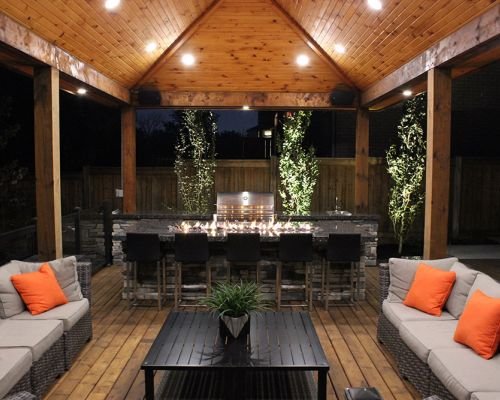
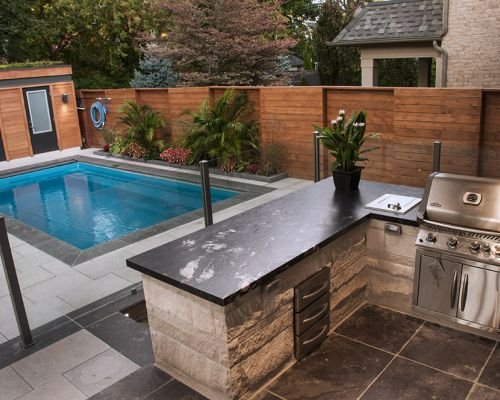
In Toronto, yards are quickly evolving from simple outdoor spaces into personal retreats. As city life becomes busier and more confined, homeowners are recognizing the value of transforming their yards into peaceful, functional environments. These outdoor sanctuaries serve as an escape from the hustle, offering a place to relax, entertain, and reconnect with nature without leaving the city limits.
This rising trend reflects a shift in priorities—people no longer see their yards just as a patch of grass or a basic garden. Instead, they’re designing spaces that blend beauty with practicality, tailored to their lifestyles and personal tastes. Whether it’s a cozy fire pit, a lush vegetable garden, or a sleek modern patio, each transformation is a reflection of individual personality and a desire for a meaningful outdoor experience.
Beyond aesthetics, the focus is increasingly on sustainability. Homeowners are interested in eco-friendly features like native plants, rain gardens, and water-efficient systems that conserve resources and support local ecosystems. These efforts not only create visually appealing landscapes but also promote environmental responsibility, making outdoor spaces more resilient and easier to maintain over time.
Toronto’s climate plays a significant role in shaping these yard renovations. With four distinct seasons—cold, snowy winters and hot, humid summers—designers must carefully select plants and materials that can withstand the city’s weather swings. Native plants, adapted to local conditions, are a smart choice, providing year-round vibrancy while reducing the need for extra watering or maintenance.
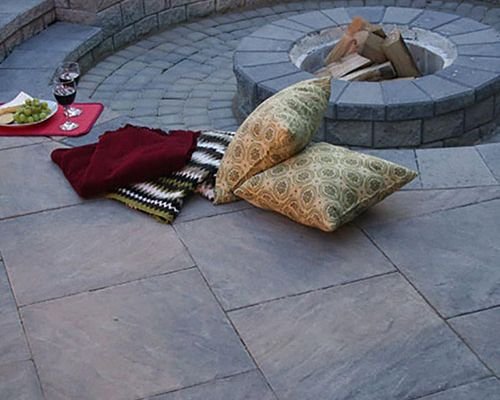
Personal expression remains central to these transformations. Homeowners want outdoor spaces that feel authentic and inviting—spaces that reflect their lifestyle and taste. This could mean incorporating a fire feature for chilly evenings, installing a vegetable garden for fresh produce, or creating sleek modern seating areas. Such details turn a standard yard into a true extension of the home, fostering a sense of pride and ownership.
As this trend continues to grow, so does awareness of sustainable practices. More homeowners are integrating rain gardens, permeable paving, and native plantings, which help conserve resources and support local wildlife. These eco-conscious choices enhance the visual appeal and contribute to the health of Toronto’s environment, ensuring their yards remain beautiful and functional for years to come.
Overall, transforming Toronto yards into outdoor retreats isn’t just about beautifying a space—it’s about creating a nourishing environment that promotes well-being, sustainability, and personal connection. These projects are shaping the future of outdoor living, turning ordinary yards into inspiring sanctuaries where nature and design come together seamlessly.
Mastering Landscape Design Principles for Toronto’s Unique Climate
Understanding landscape design in Toronto requires an appreciation of how the city’s distinct climate and community needs shape outdoor spaces. With four seasons—cold, snowy winters and hot, humid summers—plant selection and design strategies must prioritize resilience and adaptability. Native plants are a smart choice; they’re naturally suited to local conditions, requiring less water, fertilizers, and pesticides. This not only supports the environment but also reduces ongoing maintenance, making landscapes more sustainable and easier to care for over time.
Core design principles like balance, harmony, and focal points are essential foundations. Creating visual stability through balanced arrangements and ensuring all elements work together seamlessly fosters inviting, cohesive spaces. Incorporating focal points—such as a striking tree, water feature, or sculpture—draws the eye and adds visual interest. Thoughtful layering of plants with varying heights, textures, and colors further enhances the yard’s vibrancy, making it feel lively and well-composed.
Soil conditions and drainage are critical considerations in Toronto’s landscape design. Proper soil preparation, along with features like rain gardens or permeable paving, helps manage runoff and prevents waterlogging. These strategies support healthy plant growth and protect the landscape’s integrity during heavy rains or snowmelt. Addressing these technical aspects ensures the yard remains resilient and functional across seasons, reducing potential issues and long-term costs.
Urban constraints and limited space influence design choices as well. Small or shaded yards benefit from vertical elements like trellises, wall-mounted planters, or layered plantings that maximize space and light. Native plants suited to Toronto’s environment thrive with minimal intervention, making landscapes more sustainable and accessible. These practical solutions help transform even modest yards into lush, functional retreats that align with community needs.
Ultimately, successful landscape design balances aesthetic appeal with practicality. Combining visual layering, sustainable plant choices, and technical innovations creates outdoor spaces that are both beautiful and durable. When thoughtfully executed, these landscapes support long-term enjoyment, ecological health, and personal expression, turning ordinary yards into vibrant, nourishing retreats that truly reflect Toronto’s unique environment.
Eco-Friendly Elegance: Balancing Beauty and Sustainability in Outdoor Spaces
Balancing beauty with sustainability is essential for creating outdoor spaces that endure and support the environment. When selecting plants, materials, and features, the goal is to craft a visually engaging yard that also minimizes ecological impact. Native plants are a cornerstone of this approach; their resilience to Toronto’s climate ensures vibrant greenery while requiring less water, fertilizers, and pesticides. These choices reduce maintenance costs and conserve resources, making landscapes both beautiful and eco-friendly.
Eco-conscious features like rain gardens, permeable pavers, and water-efficient irrigation systems further enhance sustainability. Rain gardens manage stormwater naturally, filtering pollutants and easing pressure on city drainage. Permeable paving allows water to seep into the ground, reducing runoff and erosion, while drip irrigation delivers moisture directly to plant roots, cutting waste. These elements not only support environmental health but also introduce textured surfaces and layered plantings that add visual depth and interest.
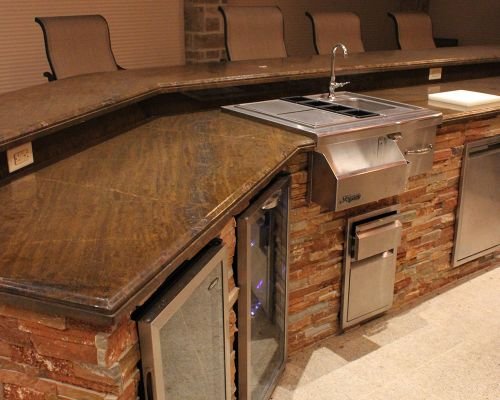
Durable, eco-friendly materials such as reclaimed wood, recycled metal, and locally sourced stone contribute both character and longevity. These materials age gracefully, blending seamlessly with natural elements and standing up to Toronto’s seasonal extremes. When combined with thoughtfully chosen plants and features, they form a cohesive landscape that is as resilient as it is stunning, supporting long-term beauty with minimal environmental footprint.
Designing with sustainability in mind also promotes biodiversity. Healthy soil, proper water management, and native vegetation attract beneficial insects, birds, and other wildlife, enriching the yard’s ecosystem. This natural balance creates a lively, inviting environment that thrives through changing seasons, supporting both ecological health and visual appeal.
Layering plants of different textures, heights, and colors enhances the yard’s vibrancy and depth. Flowering native species paired with grasses and naturalistic features like small ponds or stone formations foster a dynamic landscape that’s as beautiful as it is ecologically responsible. Every element should work harmoniously to reinforce the yard’s sustainability and aesthetic appeal.
Smart planning ensures that eco-friendly choices don’t come at the expense of style. Integrating sustainable features from the outset creates a landscape that is easy to maintain and adaptable over time. This proactive approach helps yards remain lush and resilient, reducing the need for disruptive interventions and supporting ongoing environmental health.
Balancing beauty with responsibility isn’t about sacrificing style; it’s about making intentional choices that support the landscape’s long-term vitality. From selecting native plants to using natural materials and innovative features, every decision can contribute to a landscape that nurtures both people and the planet. When done well, sustainable design transforms outdoor spaces into nourishing retreats that inspire pride and promote ecological resilience.
Turning Ideas into Reality: Practical Tips and Successful Examples for Yard Transformation
Transforming a yard from concept to reality involves more than just good ideas; it requires understanding how to adapt those ideas to Toronto’s unique environment. Starting with a thorough site analysis—assessing sunlight, soil quality, drainage, and existing structures—sets the stage for a practical and tailored design. Clear communication with clients about their priorities and budget helps align expectations and build a solid foundation for the project. Visual tools like sketches or digital models can make the vision more tangible, reducing misunderstandings and ensuring everyone is on the same page.
Choosing the right materials and techniques suited for Toronto’s climate is essential during installation. Native plants are often the best option—they’re resilient, require less water, and support local wildlife. Incorporating eco-friendly features such as rain gardens or permeable pavers not only manages stormwater effectively but also adds visual texture and interest. Regular site visits during construction help catch issues early, ensuring quality work and keeping the project on schedule. A phased approach, especially on larger projects, allows for better budget management and flexibility to make adjustments if needed.
Durable, sustainable materials like reclaimed wood, locally sourced stone, or recycled metals add character and longevity to the landscape. These materials tend to age gracefully and blend naturally with plantings, creating a cohesive environment that withstands Toronto’s seasonal extremes. When combined with well-chosen plantings and features, they produce a layered, inviting yard that balances style with resilience. This thoughtful integration results in a landscape that’s both visually stunning and built to last, supporting long-term enjoyment and ecological health.
Coordination between design teams and installers is critical for translating plans into a thriving landscape. Detailed project management and open communication ensure the work aligns with the original vision. Regular updates and inspections catch issues early, preventing delays and costly rework. When the process is streamlined, the final result is a yard that functions beautifully for everyday use—whether for relaxing, entertaining, or gardening—while staying true to the initial concept.
Post-installation care is just as important as the build itself. Educating homeowners on seasonal maintenance—like pruning, soil health, and watering—helps keep the landscape vibrant. Simple practices such as mulching and planting native species support ongoing health and minimize resource use. With consistent care, the yard remains resilient through Toronto’s changing seasons, preserving its beauty and ecological benefits. This ongoing attention ensures the outdoor retreat continues to nourish and inspire year after year.
Looking Ahead: The Future of Sustainable and Stylish Outdoor Spaces in Toronto
As Toronto’s outdoor spaces continue to evolve, the focus on blending aesthetic appeal with sustainability remains a guiding principle. The future of yard transformations lies in embracing innovative, eco-friendly practices that support long-term resilience and ecological health. Native plants, water-efficient systems, and sustainable materials will become standard choices, helping yards thrive through Toronto’s changing seasons while conserving resources and attracting local wildlife.
Advancements in smart technology and sustainable materials will further enhance outdoor retreats. From climate-adapted plants that require minimal intervention to automated irrigation systems that optimize water use, these tools make maintaining beautiful, eco-conscious landscapes more accessible. Integrating these innovations not only simplifies upkeep but also elevates the overall design, creating personalized retreats that are functional, stylish, and environmentally responsible.
The growing awareness of ecological impact encourages homeowners and designers alike to prioritize biodiversity and resource conservation. Features like rain gardens, permeable paving, and native plantings will become more prevalent, supporting local ecosystems and reducing the landscape’s ecological footprint. This shift fosters yards that are not just visually appealing but also vital habitats that contribute positively to Toronto’s urban environment.
Looking ahead, ongoing education and innovation will play a crucial role in shaping sustainable outdoor spaces. As new materials, techniques, and technologies emerge, they will enable more creative and responsible design solutions. This evolution ensures that every yard can be a nourishing sanctuary—one that reflects individual style while actively supporting environmental health.
In the end, transforming Toronto yards into enduring, inspiring retreats is a shared journey. By choosing sustainable practices and embracing future-forward innovations, homeowners and landscape professionals can craft outdoor environments that stand the test of time. These spaces will not only elevate property value and personal well-being but will also leave a lasting positive impact on the city’s ecological fabric, creating a legacy of beauty, resilience, and harmony with nature.