In an era where communication can make or break success, customizable telephony solutions are transforming how organizations connect, offering unprecedented flexibility and efficiency. Grandstream’s innovative range of IP phones, especially the carrier-grade GRP series, exemplifies this shift—delivering reliable, high-quality, secure communication tailored for large deployments. These devices, managed effortlessly through centralized platforms like GDMS, enable rapid scaling, remote troubleshooting, and seamless integration with existing systems. But what truly sets these solutions apart is their blend of simplicity and sophistication—supporting features like Bluetooth, dual Ethernet ports, and encryption, all designed to adapt to evolving business needs. As remote and hybrid work models become the new norm, organizations must ask: can traditional systems keep pace with this digital revolution? The answer lies in embracing these future-proof, scalable platforms that not only streamline workflows today but also lay the groundwork for continuous innovation in the communication landscape.
Enhance Your Business Communications with FiberConX’s VoIP Solutions
Looking for reliable VoIP and IP business phone services in Canada? FiberConX Communications offers advanced solutions featuring voicemail, IVR, Ring Groups, and voicemail-to-mail functionalities that streamline your communication workflows. Our systems ensure seamless call management and professional interactions, helping your business stay connected and efficient. One of our recommended hardware options is the Grandstream GXP2170, known for its robust features and user-friendly interface. Whether you’re handling multiple extensions or need sophisticated call routing, FiberConX has the perfect setup for your needs. Contact us today at 1.800.961.6856 or email [email protected] to learn more about our tailored VoIP services designed to elevate your business communication in Canada.
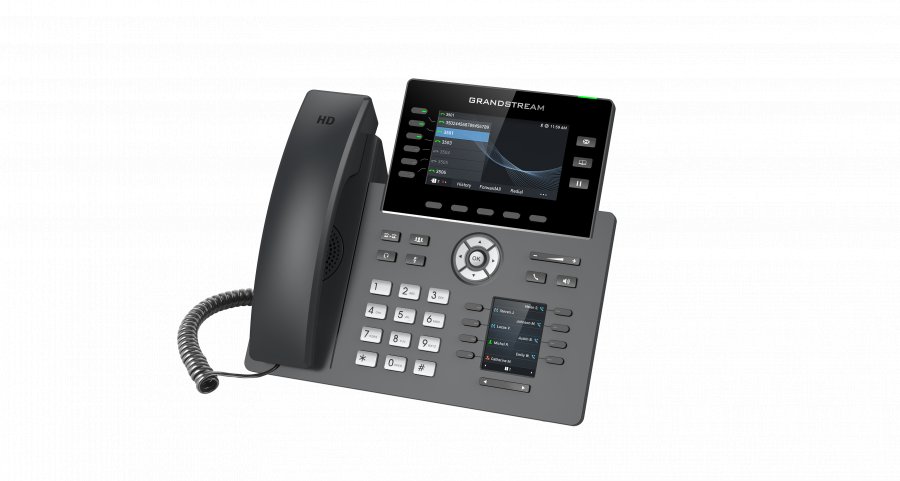
Transform Your Business Communication with Customizable Telephony Solutions
In today’s fast-paced business environment, effective communication can make all the difference. Companies of every size are looking for smarter ways to connect with clients, partners, and their teams—especially as remote and hybrid work models become the norm. That’s where customizable telephony solutions come in, offering a flexible alternative to traditional phone systems that often feel rigid and outdated. These modern systems can be tailored to meet specific operational needs, making communication more efficient, adaptable, and scalable.
Gone are the days when businesses relied solely on landlines. Today’s telephony solutions leverage internet-based technology, enabling voice, video, and data to work together seamlessly. This shift not only improves call quality but also opens the door to features like cloud management, centralized configuration, and remote troubleshooting. Customization becomes a key advantage, allowing organizations to select devices, features, and deployment methods that align closely with their workflows and growth plans.
As organizations expand or shift to hybrid work models, their communication infrastructure must keep pace. Cloud-managed systems and scalable hardware make deployment and maintenance simpler across multiple locations. Whether adding new users or upgrading existing devices, businesses can do so quickly without the need for extensive hardware overhauls. This agility helps companies stay competitive and responsive in a rapidly evolving landscape.
Industry standards like SIP and QoS underpin these advancements, ensuring that systems are interoperable, secure, and capable of delivering high-quality calls even during peak usage. These protocols support the integration of devices from different vendors, future-proofing the network against upcoming technology changes. Security features such as encryption and secure boot processes are also embedded, safeguarding conversations and sensitive data from cyber threats.
Ultimately, customizable telephony solutions are about more than just replacing old equipment—they’re about creating a communication infrastructure that evolves with your business. They enable better collaboration, streamline workflows, and enhance overall productivity. As technology continues to advance, having a flexible, secure, and scalable communication system becomes essential for any organization looking to succeed in today’s digital world.

Laying the Foundation: The Evolution and Standards of Telephony Technology
Telephony solutions have undergone a dramatic transformation from the days when businesses relied solely on traditional landlines. Back then, voice calls traveled through physical copper wires, which limited flexibility and offered only basic communication features. As technology advanced, analog systems gave way to digital setups that provided clearer audio and introduced functionalities like call forwarding, voicemail, and conference calling. Today, the industry has shifted toward IP-based telephony, leveraging the internet to transmit voice data. This evolution has unlocked a host of new possibilities, including greater customization, scalability, and cost savings.
Modern telephony systems are built on established standards like SIP, or Session Initiation Protocol. These standards support interoperability across a variety of devices and vendors, giving organizations the freedom to select hardware and software that best fit their needs. Unlike traditional systems, IP solutions can be deployed in multiple configurations—on-premises, cloud-managed, or hybrid—allowing businesses to tailor their communication infrastructure to their size, budget, and growth plans. This flexibility helps prevent organizations from being locked into rigid, one-size-fits-all solutions.
Beyond just carrying voice calls, today’s systems integrate voice, video, and data into unified networks. This convergence enables features like unified communications, where employees seamlessly switch between voice calls, messaging, and video meetings. Such integration streamlines workflows and enhances collaboration, especially for remote and distributed teams. It also simplifies management, as all these channels can be controlled from a central platform, reducing manual tasks and boosting overall efficiency.
As reliance on internet-based communication grows, security becomes a critical concern. Modern telephony solutions incorporate encryption, secure boot processes, and compliance with industry standards like SIP and QoS to protect conversations from cyber threats. These protocols ensure reliable call quality and safeguard sensitive data, helping organizations build resilient networks that can adapt to evolving security challenges. This focus on security is vital for maintaining trust and confidentiality in business communications.
The management of these complex systems has also evolved significantly. Cloud management platforms provide centralized dashboards that enable IT teams to configure, monitor, and troubleshoot devices remotely across multiple locations. This approach simplifies deployment, accelerates scaling, and maintains consistency and security across the network. With remote provisioning and updates, organizations can respond quickly to changing needs without the hassle of on-site hardware adjustments.
Understanding the shift from analog to digital and now IP-based systems clarifies the many benefits of modern telephony. These solutions offer unmatched flexibility, enabling organizations to adapt swiftly as they grow or change operational models. Industry standards like SIP and QoS underpin this flexibility, ensuring seamless interoperability and high-quality service even during peak usage. This foundation allows businesses to incorporate new features, security protocols, and devices with ease, future-proofing their communication infrastructure.
By embracing these current standards and practices, organizations set the stage for a more agile, secure, and scalable communication environment. The move toward IP-based telephony supports remote work, real-time collaboration, and rapid deployment, all while maintaining high voice quality and security. This evolution reflects a broader trend toward digital, integrated networks that empower businesses to stay competitive in a fast-changing landscape. Understanding these foundational elements helps organizations make informed decisions, ensuring their communication systems serve as a strategic advantage rather than a bottleneck.
Navigating Today’s Telephony Landscape: Trends, Integration, and Security
The way businesses communicate today is more dynamic than ever, driven by rapid technological advancements and changing workplace habits. Companies are increasingly adopting IP phones and cloud-managed systems that unify voice, video, and data into seamless platforms. This shift not only simplifies deployment but also enables remote management, making it easier for organizations to keep their teams connected across multiple locations. As remote and hybrid work models become the norm, flexible, cloud-based solutions are no longer optional—they’re essential for maintaining productivity and responsiveness.
One of the most noticeable trends is the rise of customizable IP phones designed to meet specific operational needs. Whether it’s call centers requiring quick-dial keys or remote teams relying on softphones, these devices can be tailored to enhance user experience and efficiency. Cloud management platforms further support this flexibility, allowing IT teams to configure, update, and troubleshoot devices remotely through centralized dashboards. This ease of control accelerates deployment and scaling, enabling businesses to adapt swiftly to changing demands without the logistical headaches of traditional hardware setups.
Integration is transforming business communication into a more interconnected experience. Modern systems seamlessly connect with customer relationship management (CRM) platforms and collaboration tools, creating a unified ecosystem. Calls can be automatically logged, and employees can switch effortlessly between voice, messaging, and video, fostering smoother workflows. This interconnected approach reduces manual tasks and ensures everyone stays on the same page, even when working remotely. The result is a more agile, responsive organization capable of delivering better service and faster decision-making.
Security remains a top priority amid these technological shifts. As reliance on internet-based communication grows, so does the need to protect sensitive conversations from cyber threats. Today’s solutions incorporate end-to-end encryption, secure boot processes, and strict compliance with industry standards like SIP and QoS. These measures not only ensure high-quality, reliable calls but also safeguard data integrity. Building a secure communication network helps organizations foster trust with clients and employees alike, while also future-proofing against evolving security risks.
Looking ahead, the landscape of business communication is heading toward even greater flexibility and integration. Cloud platforms and scalable hardware solutions support rapid deployment, enabling companies to respond quickly to market changes. The focus on personalized, adaptable systems helps organizations support remote teams, enhance customer interactions, and streamline workflows. As technology continues to evolve, businesses that embrace these trends will be better positioned to stay competitive, agile, and innovative in a fast-moving digital environment.
In essence, the current telephony landscape reflects a shift from rigid, hardware-dependent systems to versatile, cloud-enabled networks. This transformation allows organizations to tailor their communication infrastructure to their unique needs, whether through customized devices or integrated platforms. The ongoing emphasis on security, scalability, and interoperability ensures that these solutions are not only effective today but also adaptable for future growth. As businesses continue to navigate a rapidly changing technological landscape, those leveraging this new wave of communication tools will find themselves more connected, efficient, and prepared for whatever comes next.
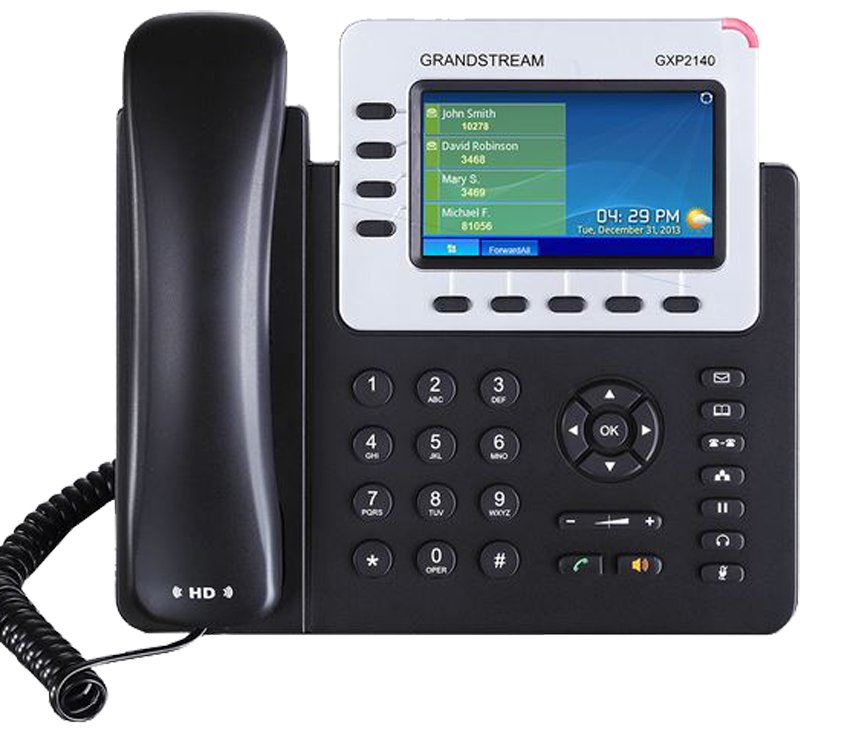
Grandstream’s Cutting-Edge Devices and Solutions for Seamless Connectivity
Grandstream’s range of telephony devices exemplifies how innovative technology can meet diverse deployment needs, making seamless communication a reality for businesses of all sizes. Their flagship IP phones, especially the GRP series, stand out with their durability, high-performance features, and user-friendly interfaces. Designed for mass deployment in environments like call centers, offices, and remote teams, these devices combine reliability with versatility. High-definition audio, customizable keys, and advanced security ensure clear, secure conversations that support productivity across various settings.
One of the key strengths of Grandstream’s devices is their straightforward management. Through the Device Management System (GDMS), administrators can centrally configure, provision, and monitor hundreds of phones across multiple locations. This centralized control simplifies deployment, reduces configuration errors, and saves time. Remote updates and troubleshooting keep devices secure and up-to-date without the need for on-site visits, streamlining ongoing maintenance and support.
Flexibility is woven into every aspect of Grandstream’s product lineup. Their IP phones support Bluetooth connectivity, dual Gigabit Ethernet ports, and programmable keys, enabling organizations to customize setups to fit their workflows. Whether upgrading busy call centers, equipping remote workers, or expanding a unified communication system, these devices adapt seamlessly. This scalability allows businesses to grow or shift operations without the need for costly hardware replacements.
The quality of Grandstream’s devices also plays a significant role in their popularity. Their IP phones deliver crisp, high-definition audio, which reduces misunderstandings and improves call clarity. The intuitive user interfaces and well-designed menus enhance user experience, helping employees stay focused on their tasks rather than troubleshooting technical issues. This focus on usability and reliable performance boosts overall productivity and employee satisfaction.
Security and future-proofing are central to Grandstream’s approach. Their devices support encryption protocols, secure boot processes, and compliance with industry standards like SIP. These features protect conversations from cyber threats and ensure data integrity. Compatibility with other industry-standard devices and platforms means organizations can integrate new solutions without overhauling existing infrastructure, safeguarding their investment as technology evolves.
Beyond phones, Grandstream offers a comprehensive ecosystem—including conference phones, video endpoints, door phones, and Wi-Fi access points—that supports a unified communication environment. This broad product lineup allows businesses to create integrated solutions tailored to their specific needs, whether deploying simple phone systems or building advanced multimedia networks. The ecosystem approach simplifies management and enhances collaboration at every level.
Choosing Grandstream means investing in solutions that are scalable, easy to manage, and highly reliable. Their devices are built to support personalized communication systems, enabling organizations to optimize workflows and enhance connectivity. With their focus on innovation and security, Grandstream empowers businesses to build flexible, resilient networks that adapt to changing demands. This commitment ensures that organizations can communicate effectively today and remain prepared for future growth.
In sum, Grandstream’s innovative devices and solutions transform how organizations connect and collaborate. By offering scalable, manageable, and secure telephony options, they help businesses streamline deployment and improve communication efficiency. Whether for small teams or large enterprises, their product range supports a flexible, future-ready infrastructure that makes seamless, personalized communication not just possible but effortless.