Discover how mastering calm walking with your dog transforms your bond—can you unlock this peaceful, mutually rewarding connection? This guide delves into the fundamentals of training your canine companion to walk politely at your side, emphasizing patience, consistency, and positive reinforcement. Along the way, you’ll learn practical techniques to improve focus, manage distractions, and gradually increase the complexity of environments, turning routine walks into moments of trust and shared achievement. It’s not just about obedience; it’s about fostering a deep understanding and mutual respect that benefits both pet and owner. With gentle guidance, realistic expectations, and a focus on building confidence, you’ll find that calm, controlled walks can become a joyful, bonding ritual. Whether you’re a new pet owner or looking to refine your training, this approach promises a calmer, more enjoyable experience—making every step together a step toward a stronger, more harmonious relationship.
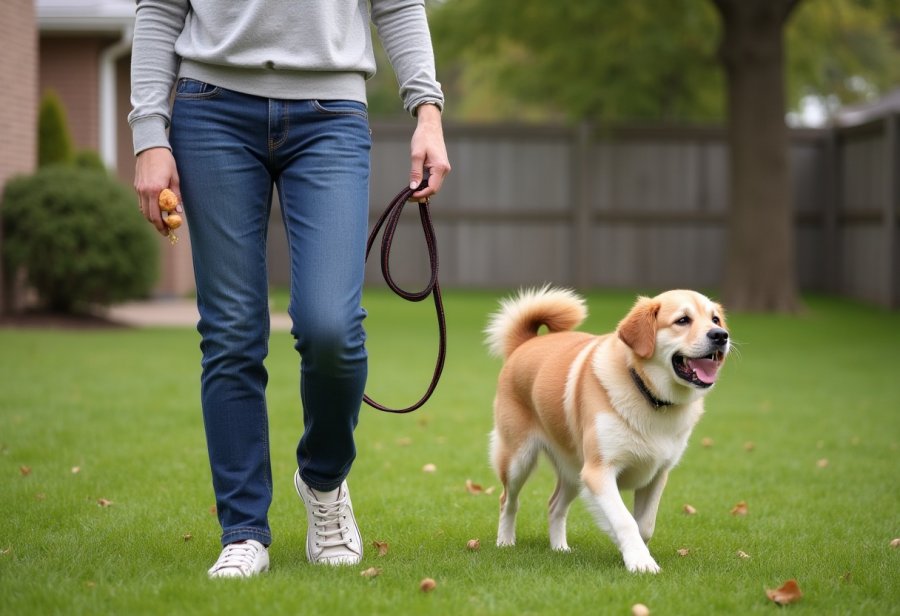
Deepen Your Bond with Calm Dog Walking
Walking calmly with your dog might seem straightforward, but it’s actually one of the most meaningful ways to deepen your bond. When you both move in sync, it sends a clear message of trust and mutual respect. Calm, steady walks help your dog feel safe and confident, making everyday outings more enjoyable for both of you. Instead of tense pulling or distracted wandering, these peaceful moments create a shared experience rooted in understanding and cooperation.
This approach isn’t just about obedience; it’s about building a connection that lasts. When your dog learns to walk calmly at your side, they’re more attentive and responsive to your cues. Over time, this reduces common issues like pulling or lunging, transforming walks into opportunities for positive interaction. The calmness your dog develops during these outings also fosters self-control and patience—traits that benefit them in many areas of life.
Creating this peaceful walking routine takes patience and consistency. It’s about guiding your dog gently and rewarding their calm behavior along the way. As they start to see that relaxed walking results in treats and praise, they begin to associate calmness with positive outcomes. This foundation of trust and clear communication makes training smoother and helps your dog feel more secure in a variety of environments.
Remember, a relaxed walk is more than just physical exercise—it’s a moment of connection. These calm outings reinforce your relationship, turning each walk into a shared experience you both look forward to. As you practice and reinforce these habits, you’ll notice your dog becoming more attentive and composed, transforming daily walks into peaceful, bonding rituals.
Mastering calm dog walking isn’t about perfection; it’s about creating a routine of mutual trust and understanding. With patience and persistence, these peaceful walks become a cornerstone of your relationship, enriching your bond and making every outing a joyful adventure. The benefits extend beyond the leash—calm walks help your dog feel secure, focused, and more connected to you.
Building a Strong Foundation in Peaceful Leash Training
Understanding the basics of calm dog walking starts with familiarizing yourself with key terms and core principles. The command “heel,” for instance, is fundamental—it’s your signal for your dog to walk closely by your side, maintaining focus and a relaxed posture. A loose leash indicates that your dog is walking calmly without pulling ahead or lagging behind, showing cooperation and comfort. Reinforcing these behaviors with treats, praise, or gentle corrections encourages your dog to repeat them during walks.
Building trust is crucial in peaceful leash training. When your dog feels safe and confident under your guidance, they’re more likely to remain calm and attentive. Modern training emphasizes positive methods—using rewards rather than harsh corrections—to deepen your bond and make learning enjoyable for your pet. This approach helps your dog associate calm walking with positive experiences, making cooperation more natural.
Knowing these foundational concepts creates a solid base for your training efforts. When your dog understands that relaxed walking leads to treats and praise, they start to connect calm behavior with positive outcomes. This makes managing distractions and unwanted behaviors like pulling or lunging easier, as your dog begins to see walking calmly as the norm.
Environmental factors also influence your dog’s ability to stay relaxed. Busy streets, loud noises, or unfamiliar surroundings may cause excitement or anxiety. Starting in quiet, familiar areas helps your dog focus and feel secure, making it easier to establish calm routines. Breed, age, and temperament matter, too—young or energetic dogs often need more patience and gradual exposure to new settings.
Positive reinforcement remains the gold standard in modern training. Consistently rewarding your dog for calm walking—whether with treats, praise, or toys—strengthens these habits. Harsh corrections, on the other hand, can create confusion or anxiety, undermining your efforts. Gentle guidance paired with genuine praise nurtures trust and cooperation, turning calm leash walking into a natural, shared experience.
Recognizing these core principles and practicing patience helps you lay a strong foundation for success. It’s about creating a safe, positive environment where your dog learns to walk peacefully by your side, trusting your leadership and cues. When these basics are in place, calm dog walking becomes more than just training—it transforms into a meaningful, mutual connection grounded in respect and understanding.
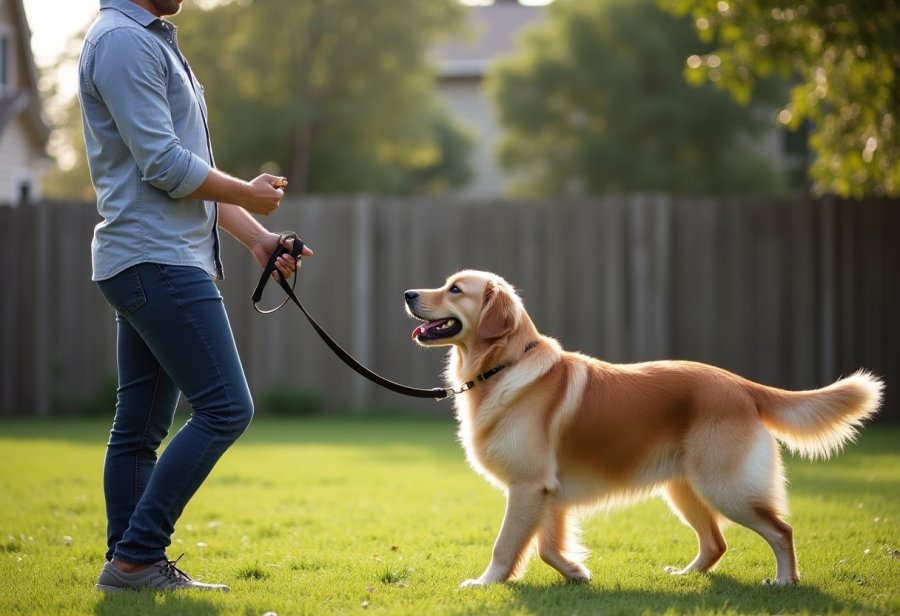
Master Techniques to Cultivate Calm During Walks
Achieving calmness during walks relies on consistent practice and practical techniques that help your dog focus and relax. Teaching cues like “look” or “watch me” shifts their attention to you, making it easier for them to ignore distractions such as passing cars or other dogs. Reinforcing this focus with treats or praise encourages your dog to see paying attention to you as rewarding, helping them develop a calm, engaged demeanor.
Short, controlled pauses are highly effective when your dog begins to pull or get overly excited. Stop walking and wait until they relax or check in with you, then reward this calm behavior. Gradually increase the duration of these pauses to build patience and self-control, so your dog learns that calmness is what keeps the walk moving forward. This simple method teaches them to stay composed even in stimulating environments.
Managing distractions is key. Start in quiet, familiar areas where your dog can learn to focus without overwhelming stimuli. As their confidence grows, gradually introduce busier settings, redirect their attention with cues like “focus” or “here,” and reward immediately when they respond calmly. Repetition and patience are crucial, as consistency helps your dog understand that calmness is always the goal, regardless of surroundings.
Leash pulling is a common obstacle, but rewarding your dog for walking at your side without tension reinforces good habits. Avoid harsh corrections or jerks, which can create anxiety or confusion. Instead, guide gently, praise often, and keep your tone calm to encourage cooperation. Over time, loose leash walking becomes a natural, relaxed routine for both of you.
For dogs that struggle with anxiety or nervousness, especially in new environments, building confidence is essential. Use familiar routines, calm voice cues, and plenty of praise to help them associate walks with positive experiences. A confident dog is more likely to stay relaxed and trust your leadership, making your training more effective and enjoyable.
Integrating these techniques into your daily routine requires patience and consistency. Practice in various environments, keep sessions short and focused, and reward calmness at every step. Over time, these habits will become second nature, transforming walks from stressful outings into peaceful bonding moments that reinforce your connection and deepen your mutual trust.
Real-World Training Tips for Lasting Calmness
Implementing calm walking techniques in real-world settings requires patience and a steady, adaptable approach. Start in familiar, low-distraction areas where your dog feels comfortable and confident. This creates a safe environment for practicing focus and calmness without overwhelming them. Keep treats and praise within easy reach so you can reward your dog immediately whenever they walk at your side with relaxed attention. Short, frequent sessions—just a few minutes each—are more effective than long, draining walks, helping your dog stay engaged and preventing frustration from building up.
When distractions appear, like a passing car or another dog, calmly redirect your dog’s attention back to you with cues like “look” or “focus.” Reward their focus instantly to reinforce that paying attention to you is more rewarding than reacting to the environment. If your dog pulls or gets overly excited, stop walking briefly and wait until they relax before moving on. This teaches that calm behavior is what keeps the walk going, building patience and self-control.
Consistency is key in making these techniques stick. Practice regularly, gradually increasing the difficulty by choosing busier routes or unfamiliar areas. Over time, your dog will learn to stay calm even in more stimulating environments. Maintain a relaxed demeanor—rushing or pulling on the leash can undo your efforts and create tension. Speak softly, move at a steady pace, and project calm energy to encourage your dog to mirror that tranquility.
Managing environmental distractions is part of the process. Some dogs need extra reassurance or gentle guidance to overcome anxiety in new places. Using familiar routines and plenty of praise helps build their confidence and trust in you as a steady leader. Remember, each dog responds differently, so be prepared to adjust your approach based on their reactions and needs.
Integrate these techniques into your daily walks, making calm, focused outings a natural expectation. Keep training sessions short and positive, rewarding good behavior consistently. As your dog’s skills improve, gradually challenge them with more complex settings, always reinforcing calmness. With patience and persistence, these peaceful walks will become a dependable part of your routine, turning everyday outings into moments of connection and trust.
Long-term success depends on ongoing effort and adaptation. As your dog masters calm walking, introduce new environments and challenges to reinforce their training. Regularly revisit routines, reward calmness, and stay attentive to your dog’s physical and emotional health. A balanced, well-rested dog is more receptive and less prone to setbacks. Patience remains essential—building a lasting calm walk routine isn’t about quick fixes but fostering a deep, mutual understanding that strengthens your bond over time.
Long-Term Success: Maintaining and Enhancing Calm Walks
Maintaining calm walks with your dog over the long term requires ongoing effort and a willingness to adapt as your dog grows and circumstances change. As your dog’s skills improve, gradually introduce new environments—bustling parks, busy streets, or unfamiliar terrains—to reinforce good habits and prevent old behaviors from creeping back in. Consistently rewarding calmness in these varied settings helps solidify it as the default response, ensuring your walks remain peaceful regardless of external distractions.
Steady reinforcement is key. Make a habit of praising and rewarding your dog for calm behavior during every walk, no matter how routine. These small, regular reinforcements build a resilient foundation of trust and cooperation that can withstand the test of time. Remember, a well-rested dog is generally calmer and more receptive to ongoing training—so providing proper exercise, nutrition, and rest supports their emotional stability and helps maintain their progress.
Stay open to new tools or techniques that might enhance your routine. Whether it’s trying a different harness, adjusting your reward system, or exploring calming aids, keeping your approach fresh and responsive shows your commitment to your dog’s well-being. These small innovations can reignite enthusiasm and help your dog stay engaged, making it easier to sustain calmness on walks.
Monitoring your dog’s overall health remains vital. Regular check-ins, appropriate exercise, and sufficient downtime ensure your pet stays emotionally balanced. Recognizing early signs of fatigue or anxiety allows you to tweak your training or environment accordingly, preventing setbacks and reinforcing calmness. A confident, healthy dog naturally maintains better composure, making your efforts more effective and enjoyable.
Patience and consistency are the cornerstones of long-term success. Building a lasting calm walking routine isn’t about quick fixes but fostering a relationship rooted in trust and understanding. Celebrate small victories along the way, and see setbacks as opportunities to learn and improve. With steady love and persistence, peaceful, confident walks can become a reliable, cherished part of your daily life, strengthening your bond and enriching your shared experiences.
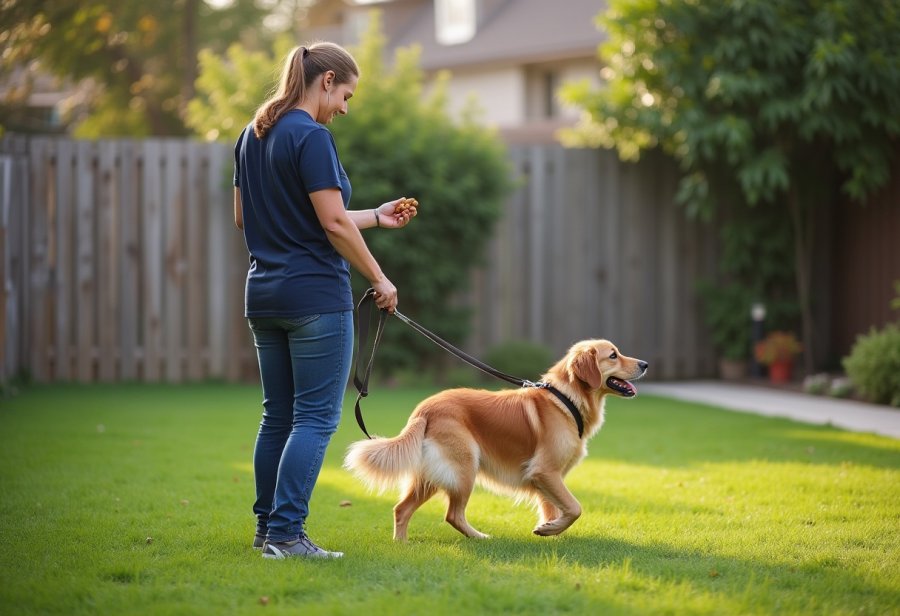
Mastering Calm Dog Walking: Key Steps and Continued Growth
Mastering calm dog walking is an ongoing journey that deepens the bond between you and your pet. The key principles—consistency, patience, and positive reinforcement—lay a strong foundation for lasting success. When these routines become a regular part of your life, your dog begins to understand what’s expected, transforming walks from stressful outings into peaceful, shared moments of connection. Progress might be slow at times, but steady effort and gentle guidance build trust and calmness that endure over time.
Every walk presents a new chance to reinforce good habits and strengthen your relationship. Celebrating small victories, like your dog maintaining focus or walking without pulling, keeps motivation high and confidence growing. Remember, setbacks are part of the process. When they happen, view them as opportunities to adjust your approach and reinforce what works best for your dog. Patience and persistence turn these moments into stepping stones toward mastery.
As your dog’s skills improve, gradually introduce different environments and challenges—busy parks, crowded streets, or unfamiliar trails—to keep training relevant and effective. These varied settings help solidify calmness as the default response, preventing old habits from creeping back. Consistent rewards and calm leadership in new situations will make peaceful walks a natural, dependable part of your routine.
Taking care of your dog’s overall well-being plays a crucial role. A healthy, well-rested dog is more emotionally balanced and receptive to ongoing training. Ensuring proper exercise, nutrition, and rest supports their confidence and reduces stress, making it easier to maintain calmness during walks. When your dog feels secure and supported, their natural tranquility shines through, enriching every shared outing.
Remember, building a lasting calm walk routine isn’t about quick fixes but about fostering a relationship rooted in trust and understanding. Celebrate progress along the way, no matter how small, and view setbacks as opportunities to learn. With love, patience, and consistency, peaceful, confident walks will become a cherished part of your daily life, deepening your connection and making every outing a joyful experience.
In the end, the effort you invest now will pay off in a stronger bond and a happier, more relaxed dog. These calm walks are more than training milestones—they’re moments of trust, communication, and shared joy. Keep practicing, stay patient, and enjoy the journey. The peace you help create during your walks will resonate far beyond the leash, enriching your relationship for years to come.