The backyard mechanic’s garage is more than a mere workspace; it’s a sanctuary where passion, craftsmanship, and resilience converge. This environment nurtures creativity and patience, transforming cluttered shelves and well-worn tools into symbols of dedication and self-expression. As projects unfold—from restoring vintage engines to troubleshooting electrical gremlins—each challenge becomes a testament to perseverance. What secrets lie behind this ritual of revival? Future innovations like 3D printing, electric conversions, and smart diagnostic tools promise to expand possibilities, yet the core spirit remains rooted in hands-on craftsmanship. Online communities and evolving technology foster a global exchange of knowledge, keeping traditional skills alive while inspiring new generations. This space reflects more than mechanical skill; it embodies a love for machines, a desire to learn, and a relentless drive to breathe life into vintage metal, making the garage a true sanctuary of passion and ingenuity.
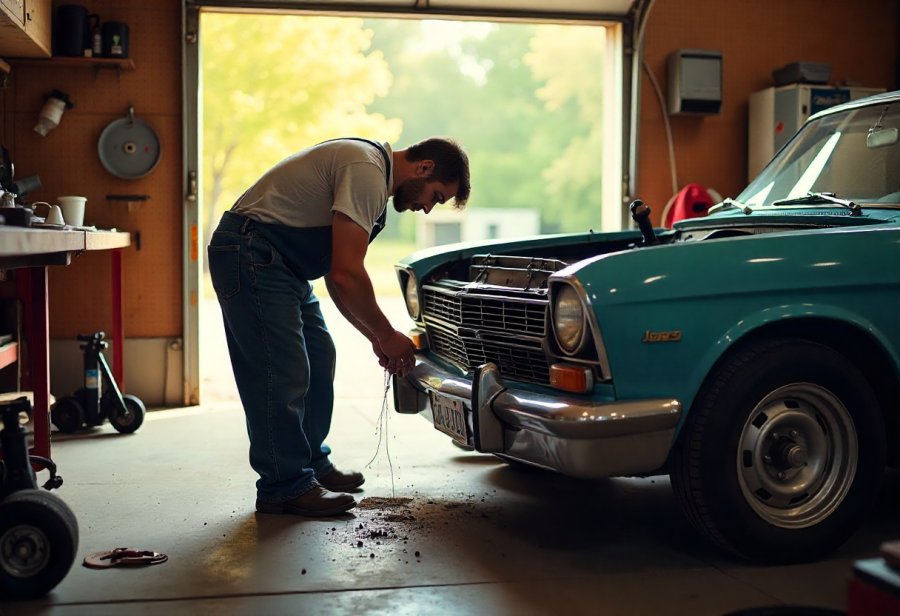
Discover Your Backyard Sanctuary: The Garage as a Personal Haven of Passion
The garage is more than just a spot to park a car; for many backyard mechanics, it’s a personal sanctuary where passion and craftsmanship intersect. It’s a space that transforms from a simple storage area into a haven of creativity, patience, and deep engagement with machines. Here, hours slip by unnoticed as tools hum and oil fills the air, embodying a quiet dedication that’s as much about self-expression as it is about repair.
This environment becomes a reflection of its owner—a place where every dent, rust spot, or scratch tells a story of perseverance and love for vintage or everyday vehicles. From restoring classic cars to tuning up daily drivers, the garage acts as a canvas for passion, a workshop where skills are honed and pride is built with each successful project. It’s a space that encourages curiosity and rewards patience, where mistakes are simply lessons in disguise.
The physical setup supports this mindset perfectly. Walls lined with well-worn tools, shelves filled with spare parts and manuals, and a cluttered workbench full of grease-stained cloths and tiny bolts all create a sense of organized chaos. Bright, adjustable lighting ensures every detail is within reach and visible, making complex tasks feel manageable. This setup fosters a focused atmosphere where craftsmanship can flourish naturally and without distraction.
Beyond the tools and layout, the garage embodies a mindset of independence and self-reliance. It’s a place where skills are passed down, stories are shared, and a community of like-minded enthusiasts thrives. Friends often gather here, exchanging advice over coffee or celebrating a hard-won repair. The garage becomes more than a workspace—it’s a hub of camaraderie and shared passion.
Creating this sanctuary isn’t about perfection or pristine organization. Instead, it’s about cultivating an environment that sparks creativity and encourages ongoing learning. Walls full of tools, a cluttered but familiar workbench, and a comfortable chair all contribute to its character. This controlled chaos nurtures curiosity and allows craftsmanship to develop organically, making every project a meaningful journey.
In the end, the garage’s significance lies in its ability to nurture passion through an environment built for patience, discovery, and growth. It’s where tools and atmosphere come together to support a love for machines and a desire to revive them. This space of revival and pride fuels the backyard mechanic’s dedication, turning a simple garage into a true sanctuary of passion and craftsmanship.
Core Elements of a Passionate Garage: Tools, Environment, and Identity
The core of any great garage isn’t just about having a collection of tools or a tidy space—it’s about how those elements come together to create an environment where passion can truly flourish. Well-chosen, well-maintained tools become more than just equipment; they become extensions of the mechanic’s hands. Whether it’s a trusty socket set, a vintage torque wrench, or a set of worn screwdrivers, each piece carries a story forged through years of use. The way they’re organized—within easy reach yet thoughtfully arranged—reflects a respect for craftsmanship and a desire for efficiency.
The atmosphere inside the garage plays a pivotal role in nurturing this passion. Walls lined with tools, shelves overflowing with spare parts and manuals, all communicate that this is a space built for work and wonder. Bright, adjustable lighting is essential; it eliminates shadows and reveals every detail, helping to maintain focus during intricate tasks. Here, patience and curiosity are encouraged, turning even complex repairs into manageable challenges. Mistakes are seen as part of the process, not setbacks, fostering a mindset of continual learning.
For backyard mechanics, the garage often becomes a mirror of their identity. The projects they choose—whether restoring a classic engine or customizing a ride—are deeply personal. Hours spent tinkering, polishing, or troubleshooting aren’t just routine; they’re acts of self-expression. Each successful repair builds pride and fuels the desire for the next challenge. Over time, this environment transforms into a sanctuary of revival, where every bolt turned and every part restored adds to a growing sense of mastery.
Restoring vintage vehicles or tackling intricate mechanical issues demands a blend of technical skill and an intuitive understanding of craftsmanship. The right tools—wrenches, pullers, welders—are vital, but so is patience. Knowing when to sand, paint, or weld requires a nuanced grasp of materials and techniques. Developing this intuition elevates projects from mere repairs to genuine acts of craftsmanship, respecting the machine’s history while making thoughtful upgrades.
Every project carries its own story of perseverance. Rusted frames, missing parts, electrical gremlins—they test even seasoned enthusiasts. Finding rare components or fabricating custom replacements becomes part of the journey. These hurdles push skills further, turning setbacks into lessons that deepen resilience. Overcoming such challenges reinforces the importance of patience and persistence, transforming obstacles into opportunities for growth.
Safety and organization underpin sustainable craftsmanship. Wearing protective gear like gloves and goggles during grinding or chemical work is standard, while regular tool maintenance ensures safety and reliability. A well-organized space—labeled parts, clear workflows—prevents frustration and keeps focus sharp. This disciplined environment allows passion to thrive, making complex projects manageable and enjoyable.
Ultimately, the heart of the garage lies in its ability to foster passion through a carefully crafted environment. When tools and atmosphere align, they support patience, creativity, and continuous learning. This core setup—simple yet intentional—ensures that each project becomes more than just a repair; it’s a celebration of craftsmanship and a testament to the mechanic’s dedication. In this space, every revival echoes a love for machines, turning the garage into a true sanctuary of passion.
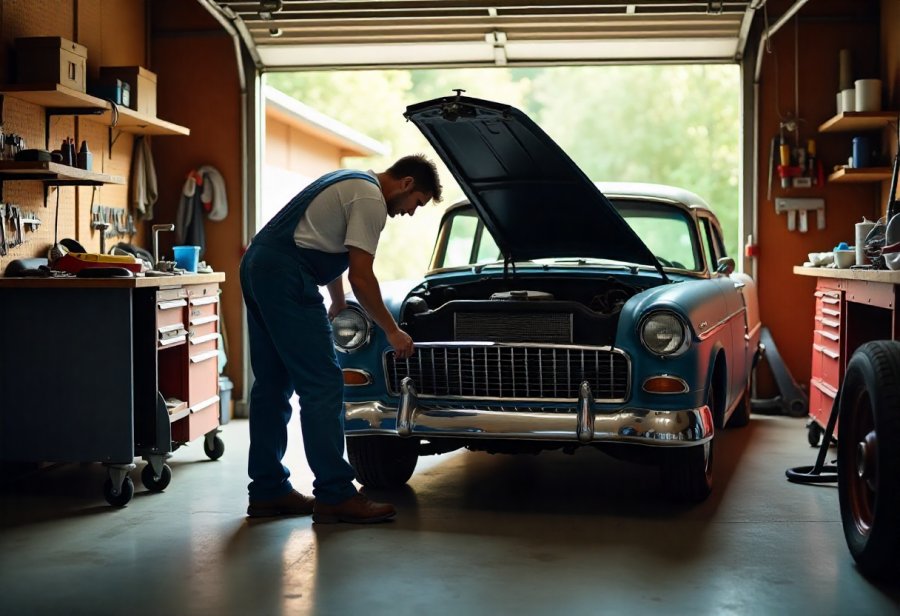
Mastering Restoration: The Art, Science, and Techniques of Reviving Machines
Restoring machines in a backyard garage blends technical skill with a keen eye for detail. It starts with understanding how different mechanical systems—engines, transmissions, suspensions—interact and knowing the right techniques to repair or rebuild each one. Having a solid set of tools is essential; basic wrenches, screwdrivers, and pliers form the foundation, but specialized equipment like torque wrenches, pullers, and welders can make the process smoother and more precise. Using the right tools not only speeds up work but also helps prevent damage, ensuring safety and quality in every repair.
The mindset of a backyard restorer is just as vital as the tools. Patience and curiosity drive the process, turning setbacks into learning opportunities. Diagnosing electrical issues with multimeters or troubleshooting engine problems requires a calm approach and a willingness to experiment. Approaching each project with an open mind helps develop intuition and confidence, transforming repairs from routine tasks into acts of craftsmanship. This mindset fosters continuous growth, making every challenge an opportunity to improve skills and deepen understanding.
Organization is the backbone of efficient restoration work. Keeping tools in good condition, labeling parts, and maintaining detailed notes help streamline progress and avoid unnecessary frustration. Breaking projects into manageable steps—disassembling, cleaning, repairing, then reassembling—ensures no detail is overlooked and keeps the process manageable. This disciplined approach builds trust in your growing abilities and allows you to tackle more complex projects with confidence. It also keeps safety front and center, with proper protective gear and regular maintenance of equipment.
Knowing when to sand, paint, or weld is about more than technique; it’s about respecting the machine’s history while making thoughtful upgrades. Developing an intuitive sense for these decisions elevates projects from simple fixes to genuine craftsmanship. Whether restoring a vintage engine or revamping an old frame, understanding the materials and techniques involved helps preserve authenticity while improving function. This balance of art and science turns every restoration into a story of revival and care.
The process is often filled with obstacles—rusted bolts, missing parts, electrical gremlins—that test even seasoned enthusiasts. Turning these hurdles into creative solutions builds resilience and sharpens skills. Fabricating custom replacements or sourcing rare components becomes part of the journey, reinforcing patience and persistence. Each challenge overcome deepens your connection to the craft, transforming setbacks into stepping stones. In this garage, every project is a chance to learn, grow, and celebrate the art and science of machine revival.
Hands-On Learning: Developing Skills and Confidence in Your Garage Projects
Getting hands-on in the garage is one of the best ways to build real skills and boost your confidence as a backyard mechanic. Starting with simple projects like changing the oil or swapping out brake pads allows you to familiarize yourself with basic tools and procedures. These small wins prove to you that you’re capable, making it easier to take on bigger challenges down the line. As your experience grows, tackling tasks like rebuilding an engine or fabricating custom parts becomes both exciting and educational.
Practicing these practical tasks deepens your understanding of how machines work. Experimenting with different techniques and tools reveals what works best for you, turning hesitation into familiarity. Working directly with parts and tools transforms uncertainty into confidence, gradually making mechanics feel like second nature. Each successful project reinforces your skills and motivates you to try something more complex next time.
Troubleshooting problems on the spot is another valuable benefit of hands-on work. When an engine refuses to start or an electrical issue arises, diagnosing and fixing it teaches you to think critically and adapt quickly. These real-world challenges sharpen your problem-solving skills and help you develop a deeper understanding of mechanical systems. Over time, this experience builds resilience and confidence, empowering you to handle more intricate repairs without hesitation.
Working directly on projects also provides immediate feedback. Seeing the results of your efforts—whether a smooth-running engine or a fixed suspension—creates a tangible sense of achievement. This instant connection between effort and outcome fuels your enthusiasm, encouraging you to keep pushing forward. Small successes build momentum, turning each repair into a stepping stone for future projects.
Trying out new tools and techniques keeps the process engaging. Whether experimenting with different lubricants, practicing welding, or fabricating custom brackets, each activity broadens your skill set. These small experiments make the work more interesting and help you discover new talents. Every new technique adds to your confidence, preparing you for more ambitious projects and deeper craftsmanship.
Patience plays a crucial role throughout this journey. Projects often take longer than expected, parts may not fit perfectly, or unforeseen issues might crop up. Embracing these obstacles as part of learning helps develop resilience and perseverance. Overcoming setbacks through hands-on effort reinforces that persistence pays off, and each challenge conquered makes you a more capable mechanic.
Safety and organization are the backbone of sustainable skill development. Wearing protective gear like gloves and goggles during grinding or chemical work is standard, and maintaining tools regularly ensures they function safely. Keeping parts labeled and workflows clear prevents frustration and saves time, allowing you to focus on the task at hand. This disciplined approach ensures your passion can grow without risking safety or efficiency.
The more you work in your garage, the more your skills become intuitive. Hands-on engagement turns abstract concepts into practical knowledge, making repairs more manageable and enjoyable. This active involvement transforms the garage from a simple workspace into a training ground for continuous growth. Each project, big or small, becomes an opportunity to learn, improve, and deepen your connection to the craft.
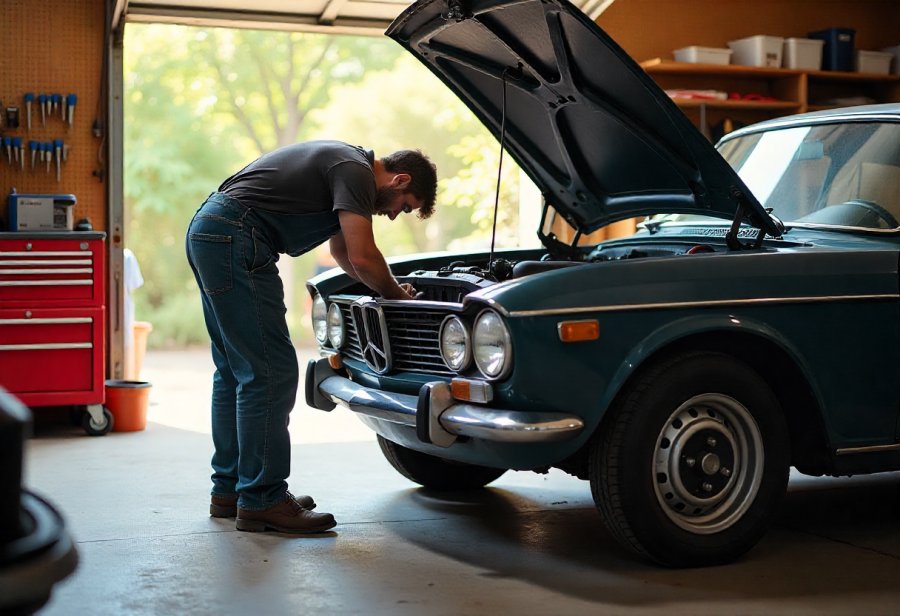
Gazing Ahead: Innovations and the Future of Home Garage Restoration
Looking ahead, the future of backyard machine revival is brighter than ever, driven by rapid technological advances that are transforming how enthusiasts approach restoration projects. Affordable diagnostic tools and portable repair gadgets have made it easier to identify issues with precision, reducing guesswork and speeding up repairs. These innovations allow hobbyists to work more efficiently, turning complex troubleshooting into manageable tasks right in their own garages.
Meanwhile, innovations like 3D printing are opening new horizons. Crafting custom parts on demand means vintage machines can stay alive longer, and creative problem-solving becomes more accessible. Instead of waiting weeks for rare components or paying high prices, backyard restorers can produce their own replacements, expanding the scope of projects and pushing the limits of what can be achieved at home.
Electric conversions are gaining momentum, blending classic design with modern sustainability. Transforming vintage cars into electric vehicles allows enthusiasts to preserve the aesthetic while embracing eco-friendly technology. These projects showcase how passion and innovation can coexist, and they reflect a shift toward greener restoration practices that appeal to a new generation of DIYers eager to combine heritage with sustainability.
Online communities continue to grow, offering a global network of shared knowledge and experience. Forums, tutorials, and virtual meetups make expert advice more accessible than ever, helping backyard mechanics troubleshoot stubborn issues or learn advanced fabrication techniques. This sense of connection keeps traditional skills alive while encouraging experimentation and innovation, fostering a vibrant culture of continuous learning.
Tools themselves are evolving, becoming smarter and more user-friendly. Wireless diagnostic devices, app-controlled spray guns, and digital measuring tools make intricate tasks less intimidating and more precise. These innovations democratize restoration work, inviting enthusiasts of all skill levels to participate and experiment, ensuring that passion for machine revival remains inclusive and accessible for years to come.
Despite these technological leaps, the core spirit remains unchanged. Restoring old machines continues to be about patience, creativity, and a love for craftsmanship. New tools and methods serve to expand possibilities, not replace the satisfaction of hands-on work. The garage remains a sanctuary where tradition and innovation meet, fueling a passion that’s rooted in resilience, ingenuity, and a shared desire to keep vintage machines alive.