The Ford Mustang embodies the spirit of American muscle and freedom, capturing imaginations since its debut in 1964. Its iconic design, blending aggressive lines with timeless style, reflects a deep-rooted cultural legacy of independence, resilience, and innovation. From its origins as an accessible yet powerful vehicle that ignited the pony car segment to its evolution into high-performance icons like the Shelby GT500, the Mustang has continually adapted without losing its core identity. Its presence in movies, music, and media has cemented its status as a symbol of rebellion and adventure. But what truly sets it apart is its ability to evolve—fusing classic cues with cutting-edge technology to thrill new and veteran drivers alike. As a living legend, the Mustang remains more than a car; it’s a testament to the American pursuit of freedom and daring spirit. Will it continue to inspire future generations to chase their dreams on the open road?
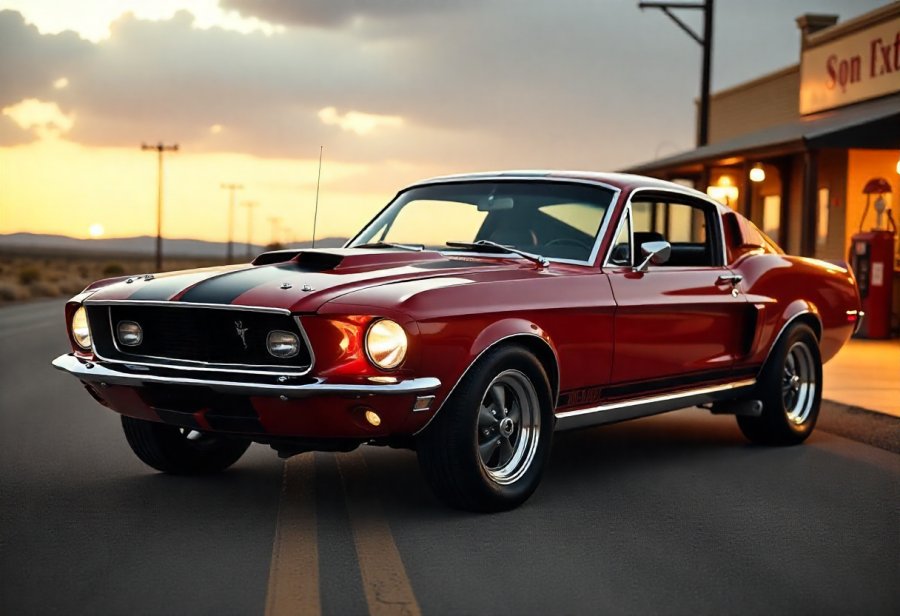
The Mustang: An Icon of American Freedom and Power
The Ford Mustang isn’t just a car; it’s a symbol that embodies the spirit of American muscle and freedom. When it first hit the streets in 1964, it did more than introduce a new vehicle—it ignited a cultural phenomenon. Its bold design, combined with an accessible price point and impressive performance, made it an instant favorite among drivers and enthusiasts alike. The Mustang’s sleek lines and aggressive stance set it apart from other cars of its era, instantly capturing the imagination of a generation seeking excitement and individuality.
What truly sets the Mustang apart is its ability to connect on a deeper level. It represents more than just raw horsepower; it’s a reflection of American values—resilience, innovation, and the pursuit of freedom. Over the decades, it has maintained its icon status not only through its performance but also through its cultural impact. From starring in iconic movies like “Bullitt” to inspiring countless songs and advertisements, the Mustang has become woven into the fabric of American identity.
The car’s legacy is rooted in its continuous evolution. Each new model builds on the foundation of its rich history, blending classic design cues with modern technology. Whether it’s the original first-generation models with their long hoods and short decks or today’s high-tech versions packed with advanced performance features, the Mustang adapts without losing its core essence. It’s a vehicle that honors its past while embracing the future, keeping its place as a symbol of daring and adventure.
Beyond aesthetics and performance, the Mustang represents a lifestyle—a statement of independence and rebellion. It’s about the thrill of the open road, the roar of the engine, and the feeling of freedom that can’t be matched. Its presence on the streets and in the media continues to inspire new generations of drivers to chase their dreams and carve their own paths. In every sense, the Mustang remains a living testament to the enduring American spirit.
Ultimately, the Mustang’s significance goes beyond its design and engineering. It’s a cultural icon that has shaped perceptions of American muscle cars and the broader automotive landscape. Its legacy endures because it captures the essence of a nation that values freedom, resilience, and innovation. As long as there are roads to explore and stories to tell, the Ford Mustang will stand as a proud symbol of American identity—timeless, powerful, and forever free.
From Dream to Reality: The Mustang’s Birth and Evolution
The Ford Mustang made its debut in 1964, instantly transforming the landscape of American muscle cars. Ford aimed to create a vehicle that was stylish, affordable, and packed with performance, capturing the attention of a broad audience hungry for something new and exciting. Its distinctive long hood paired with a short rear deck established a bold silhouette that immediately signaled speed and attitude. The initial launch was a massive success—over 22,000 units sold on the first day—sparking the birth of the pony car segment, a category defined by sporty, accessible, and practical cars.
Throughout the decades, the Mustang’s design and technology underwent continuous evolution to stay relevant amid shifting tastes and tightening regulations. The first-generation models, from 1964 to 1973, set the foundation with muscular proportions, aggressive lines, and a focus on performance. As fuel economy and emissions standards became stricter in the late 1970s and early ’80s, Ford adapted the Mustang’s look and engine options, making it more subdued but still sporty. These changes helped the car maintain its appeal during challenging times for muscle cars.
The late 2000s marked a turning point with a retro-inspired redesign that paid homage to the original models. Ford infused modern technology—improved suspensions, safety features, and fuel-efficient engines—while preserving classic cues like the long hood and fastback profile. This blend of tradition and innovation reignited interest among nostalgic fans and new drivers alike, ensuring the Mustang remained a relevant player in the market. Each redesign balanced honoring its roots with embracing contemporary performance standards.
Technological advances played a key role in the Mustang’s ongoing development. Engine options expanded from straightforward V8s to turbocharged four-cylinder engines delivering impressive horsepower alongside better efficiency. Modern models feature electronic stability control, sophisticated transmissions, and performance-tuned suspensions, enhancing agility and responsiveness. These upgrades have helped the Mustang stay competitive, blending raw power with refined handling and driving enjoyment.
The car’s cultural significance has grown alongside these technological strides. The Mustang starred in iconic movies like “Bullitt,” where Steve McQueen’s legendary high-speed chase made it a symbol of speed and rebellion. Its presence in music, advertising, and media elevated it from a mere muscle car to an American icon representing independence and daring adventure. Enthusiast clubs and rallies worldwide keep its legacy alive, fostering a community that celebrates performance and style.
Throughout its history, the Mustang has demonstrated remarkable adaptability—honoring its muscle car heritage while incorporating modern innovations. This ability to evolve without losing its core identity has kept it fresh and desirable across generations. Each new model continues the legacy, connecting the past’s bold spirit with today’s cutting-edge engineering. It embodies a balance that ensures its status as an enduring American symbol of resilience, power, and progress.
Today’s Mustangs are a testament to this evolution. They carry forward the classic design cues—like the signature pony grille and muscular stance—while integrating advanced technology and performance features. This seamless blend of old and new keeps the Mustang at the forefront of automotive culture. Its enduring appeal lies in its ability to adapt fluidly, inspiring drivers to pursue freedom and adventure with every drive.
Design Precision and Performance Excellence: The Mustang’s Signature Elements
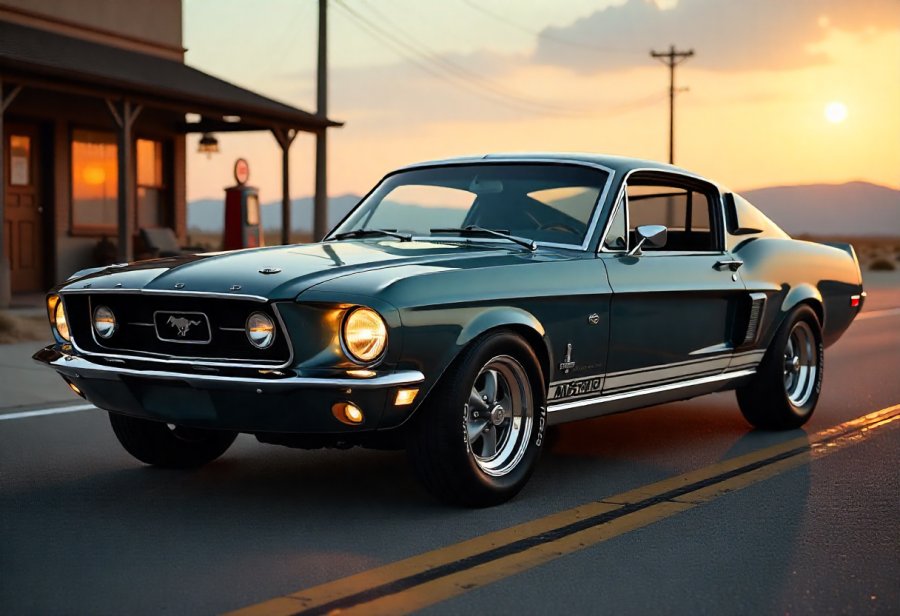
The Ford Mustang’s design details are what instantly set it apart and solidify its status as an automotive icon. The signature pony grille, often highlighted with chrome or black accents, acts as a bold focal point that commands attention on any road. Its sleek, flowing lines extend from front to rear, emphasizing aerodynamics and agility. Muscular fenders and a low, aggressive stance give the car a commanding presence, rooted firmly in muscle car traditions. These proportions are deliberate, hinting at performance capabilities and a sense of motion even when the vehicle is stationary.
Classic touches like racing stripes, side scoops, and rear spoilers add a sporty edge and offer owners opportunities for customization. These details aren’t just aesthetic choices—they evoke the car’s racing heritage and reinforce its speed-oriented identity. The overall silhouette strikes a balance between muscularity and refinement, creating a visual harmony that’s instantly recognizable whether on city streets or at car shows. Every curve and contour is crafted to evoke strength, purpose, and precision.
Inside, the Mustang’s cockpit is designed to engage the driver. Gauges and controls are intuitively placed, blending aesthetic appeal with functional ergonomics. The driver feels connected to the vehicle, whether cruising on the highway or pushing it on a track. This focus on driver experience complements the external design, making the Mustang more than just a showpiece—it’s a machine built for performance and thrill. The ergonomic layout ensures that every command is within easy reach, reinforcing the idea that this car is engineered for high-speed excitement.
Performance is at the heart of the Mustang’s allure. Its engine lineup ranges from turbocharged four-cylinder options to high-displacement V8s, each delivering different levels of power tailored to diverse driving preferences. High-performance variants like the Shelby GT500 boast engines with over 700 horsepower, making them formidable on both roads and tracks. Modern technology, including electronic stability control, performance-tuned suspensions, and advanced transmissions, helps translate raw power into precise handling, ensuring confidence at speed.
Handling is further refined through sophisticated suspension systems that adapt to various driving conditions. Lightweight materials and aerodynamic enhancements improve stability and responsiveness at high speeds. Whether carving through corners or cruising smoothly, the Mustang offers a driving experience that’s exhilarating and controlled. Every element—from exhaust notes to steering feel—is engineered to keep the driver engaged and in command, making every drive a memorable one.
The combination of striking design and cutting-edge performance solidifies the Mustang’s legendary status. Its distinctive appearance, with muscular lines and aggressive stance, is complemented by a performance portfolio that balances raw power with refined control. This seamless integration of aesthetics and engineering ensures that the Mustang remains a symbol of American muscle and innovation—an icon that continues to inspire passion and admiration worldwide.
More Than a Car: The Mustang’s Cultural Impact and Iconic Status
The Ford Mustang has become more than just a car; it’s a potent symbol woven into the fabric of American culture. Its sleek, aggressive silhouette and roaring engine have stamped it into Hollywood’s most iconic scenes, from the high-speed pursuits in “Bullitt” to the adrenaline-fueled chases in “Gone in 60 Seconds.” These cinematic moments didn’t just showcase speed—they cemented the Mustang as a vehicle of rebellion, freedom, and daring adventure, resonating deeply with audiences worldwide.
Beyond the silver screen, the Mustang’s influence extends into music, advertising, and pop art, where it embodies youthful energy and independence. Songs celebrating the open road and the thrill of driving often feature the Mustang as a symbol of breaking free from societal norms. Its frequent appearance in media elevates it from a mere sports car to a cultural icon representing self-expression and resilience.
The Mustang also played a pivotal role during the muscle car era of the 1960s and 70s, capturing the spirit of pushing boundaries and challenging expectations. Its bold design and powerful engines became a statement of American ingenuity and a symbol of the freedom that came with the open road. Enthusiast communities and car rallies worldwide keep this legacy alive, celebrating not just the vehicle but what it represents—a lifestyle rooted in adventure and independence.
This cultural impact isn’t limited to nostalgia; it continues to inspire new generations. Today’s Mustang blends its historic rebellious spirit with modern innovation, making it relevant for those who value performance and style but also cherish the legacy of American resilience. It’s a symbol that encourages drivers to pursue their dreams boldly, whether on the highway or in everyday life.
The Mustang’s presence at cultural festivals, social gatherings, and car shows reinforces its status as a unifying icon. It’s a vehicle that sparks conversations about freedom, progress, and the American dream. Its ability to adapt while maintaining its core identity proves that the Mustang isn’t just a car; it’s a reflection of American values—bold, resilient, and forever driven by a desire for more.
As it continues to evolve, the Mustang’s influence remains powerful. It’s a living legend, inspiring stories of rebellion, innovation, and determination. Its cultural significance endures because it captures the essence of a nation that values independence and the pursuit of adventure. More than an automobile, the Mustang is a symbol of American spirit—timeless, dynamic, and endlessly inspiring.
Enduring Legacy: Why the Mustang Remains a Symbol of American Spirit
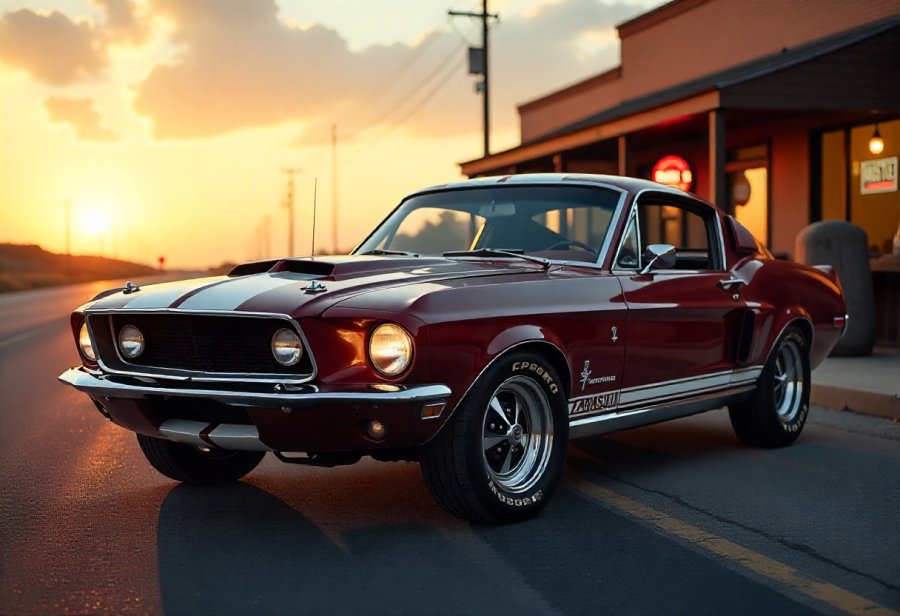
The Ford Mustang’s enduring appeal goes far beyond its eye-catching design and powerful engines. It embodies the core values of American resilience, innovation, and the relentless pursuit of freedom. Over the years, it has transcended its role as a mere muscle car to become a symbol of independence and daring spirit, inspiring generations to chase their dreams and forge their own paths.
What truly sets the Mustang apart is its ability to evolve while staying true to its roots. Each new model pays homage to the classic cues—like the signature pony grille and muscular stance—yet incorporates modern technology and performance upgrades. This seamless blend of tradition and innovation ensures that the Mustang remains relevant in today’s fast-paced automotive world, appealing both to nostalgic enthusiasts and new drivers seeking cutting-edge performance.
At its heart, the Mustang is about exhilarating driving experiences. From turbocharged four-cylinder engines to roaring V8s, each iteration delivers impressive power and responsiveness. Advanced handling systems, performance-tuned suspensions, and aerodynamic enhancements make every drive a thrill, whether on open highways or winding roads. The car’s design details—muscular lines, aggressive stance, and signature exhaust notes—work together to create an immersive, visceral experience that sparks passion behind the wheel.
The cultural significance of the Mustang continues to grow, fueled by its appearances in iconic films, music, and media. It commands attention as a symbol of rebellion, freedom, and American ingenuity. Communities of enthusiasts worldwide rally around its legacy, sharing stories of performance, style, and adventure. This collective pride keeps the Mustang’s spirit alive, fostering a sense of belonging among those who see it as more than just a car—it’s a lifestyle.
Looking ahead, the Mustang’s story is far from over. Its ability to adapt without losing identity ensures it will remain a prominent figure in automotive history. As new generations discover its charm, the Mustang continues to embody the values of resilience, innovation, and daring independence that define American culture. It remains a living testament to the pursuit of freedom and the power of dreaming big.
In the end, the Ford Mustang isn’t simply an automobile—it’s a symbol of an American ideal that celebrates strength, creativity, and the drive to push boundaries. Its legacy endures because it captures the spirit of a nation that values progress and adventure. As roads evolve and new horizons beckon, the Mustang will forever stand as an icon of freedom—timeless, bold, and endlessly inspiring.