What if true leadership isn’t measured by conquests or titles but by the strength of one’s inner discipline? Marcus Aurelius exemplifies this paradox, governing an empire with stoic calm amid chaos—wars, plagues, and political turmoil—while prioritizing self-mastery over external triumphs. His life challenges us to reconsider whether resilience, patience, and moral clarity hold more enduring power than fleeting external victories. Today’s leadership recognizes this shift, emphasizing emotional intelligence and inner resilience over superficial achievements. Practices like reflection, journaling, and mindfulness transform ancient virtues into practical tools for navigating modern challenges. By cultivating inner strength, we build a steady core capable of withstanding turbulence and inspiring trust. As Marcus’s legacy endures, so too does the timeless truth: genuine power begins within, and mastery over ourselves is the most compelling empire of all. Are we ready to lead from within?
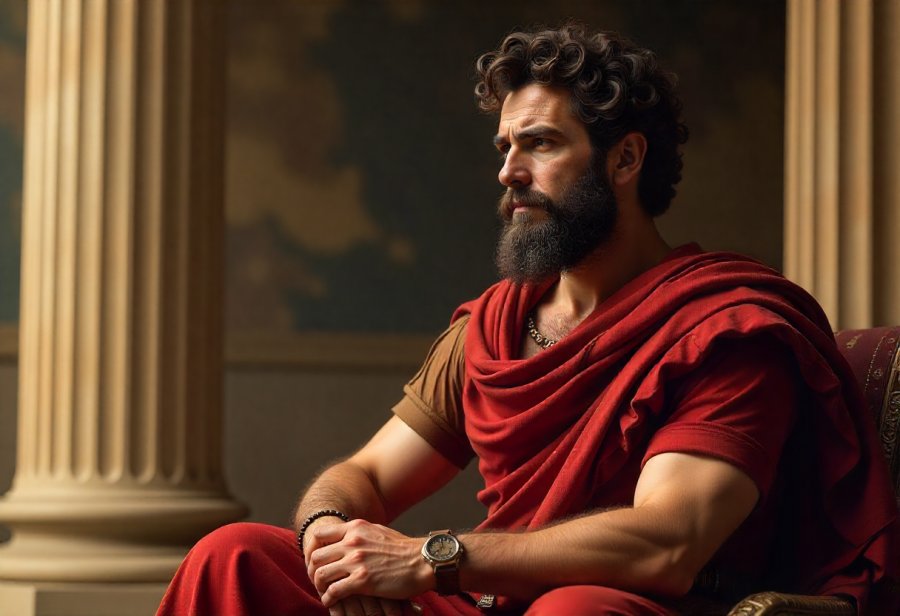
Unveiling True Leadership Power: Inner Discipline Versus External Conquest
When we picture leadership and power, it’s often through a lens of grand gestures—armies marching, vast territories, or impressive titles. These external signs are quick to catch our eye and have long served as symbols of strength. But do they truly reflect what it means to be a strong leader? Or is there a deeper, less visible form of power that often goes unnoticed? This question becomes especially relevant when we look at figures like Marcus Aurelius, a Roman emperor whose legacy isn’t just about military victories but about wisdom, restraint, and self-control.
Marcus Aurelius’s life offers a compelling example. Despite ruling over a sprawling empire during turbulent times, he’s remembered more for his inner virtues than for conquests. His writings in *Meditations* reveal a leader dedicated to mastering himself—exhibiting patience, humility, and moral clarity. Even amidst wars, plagues, and political chaos, Marcus maintained his composure and sense of purpose. His ability to govern himself within chaos suggests that true strength isn’t measured by external dominance but by the resilience of the mind and spirit.
This perspective challenges the common assumption that external achievements define leadership strength. Societies have historically equated success with territorial gains, victories, or wealth. Yet, these achievements are fleeting and superficial compared to the lasting influence of inner virtues. Resilience, self-awareness, and moral integrity—traits rooted in inner discipline—are more enduring foundations for authentic leadership. Marcus Aurelius exemplifies this, showing us that internal mastery can sustain a leader through crises, making the difference between fleeting power and lasting influence.
Looking at his life, it’s clear that Marcus’s true power lay in his ability to govern himself first. His Stoic principles—emphasizing reflection, patience, and moral clarity—enabled him to face external turmoil with calm and dignity. Even during the Antonine Plague, he responded with compassion and resilience, choosing to focus on inner virtues rather than panic. His example reminds us that internal strength provides a steadiness that external circumstances cannot shake, and that genuine leadership begins within.
Marcus Aurelius’s Life and the Inner Strength That Defined His Reign
Marcus Aurelius, often called the philosopher-king, ruled Rome from 161 to 180 AD during a period marked by both expansion and turbulence. Born into a prominent Roman family, he was introduced early to philosophy, especially Stoicism, which would profoundly shape his approach to leadership. His education emphasized virtues like self-control, resilience, and moral integrity, values that he carried into his reign. From a young age, Marcus demonstrated a keen interest in self-improvement and reflection, setting the stage for a ruler who prioritized inner discipline over external power.
His time as emperor was far from peaceful. The empire faced numerous military threats along its frontiers, particularly along the Danube and eastern provinces. These conflicts demanded strategic responses, but Marcus’s leadership was characterized more by calm and measured decisions than reckless conquest. Alongside these external pressures, the empire was struck by devastating plagues and internal political struggles, testing his resilience and resolve. Despite these crises, Marcus remained committed to Stoic ideals, often retreating into reflection and philosophical contemplation amid the chaos.
Marcus’s governance combined pragmatic military responses with deep philosophical reflection. He believed that a good ruler must govern not just land and resources but also his own mind. His writings in *Meditations* reveal a man constantly striving for virtue, humility, and clarity. Unlike many emperors who relied heavily on external displays of power, Marcus focused on cultivating patience, fairness, and inner strength. This inward focus allowed him to lead with dignity and moral authority, even amidst adversity.
Throughout his reign, Marcus’s internal discipline became a defining trait. When the Antonine Plague swept through the empire, he responded with calm and compassion, prioritizing the well-being of his people over panic or blame. His decision to step back from personal ambition and dedicate himself to philosophical pursuits exemplifies how self-mastery can be a source of true strength. These moments highlight that his inner resilience, rooted in Stoic principles, enabled him to govern effectively and maintain stability during turbulent times.
Despite external challenges, Marcus’s true power lay in his unwavering commitment to inner virtues. His leadership was shaped by the understanding that external victories could be fleeting, but inner discipline and wisdom provided a lasting foundation. His ability to remain centered, even in war, plague, and political unrest, underscores that his strength was rooted in mastery over himself. This internal resilience allowed him to lead with integrity and leave a legacy that continues to inspire centuries later.
In many ways, Marcus Aurelius’s life exemplifies the idea that genuine leadership comes from within. His legacy demonstrates that true strength isn’t measured by external conquest but by the discipline, reflection, and moral clarity cultivated inside. While Rome expanded territorially under his rule, it was his mastery over himself that truly set him apart. His example reminds us that the most enduring power lies in self-control and inner resilience, qualities that remain relevant for leaders—and for all of us—today.
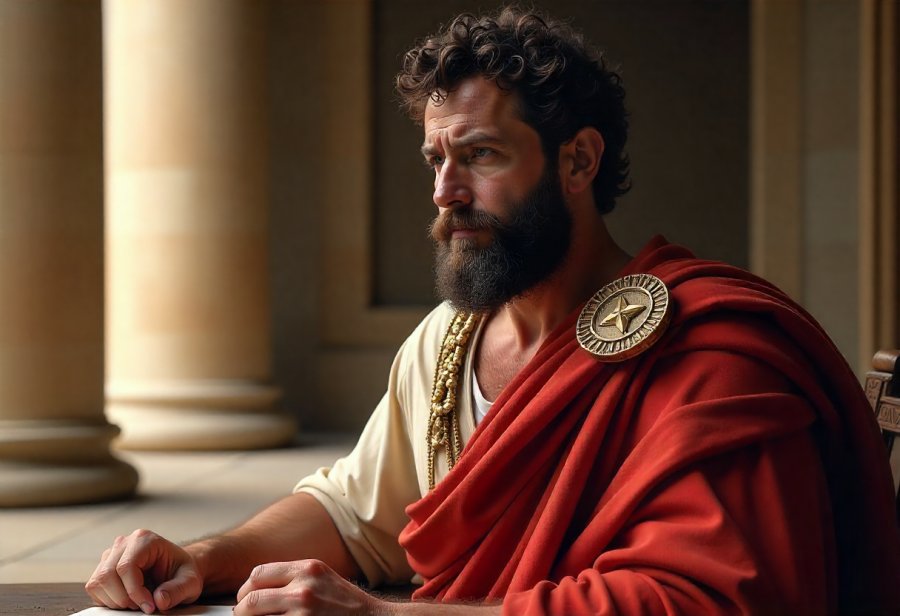
Modern Leaders Embrace Inner Virtue: Lessons from Marcus Aurelius
Today’s leadership landscape is shifting away from traditional metrics of success—titles, wealth, or external achievements—and placing greater emphasis on inner qualities that foster lasting influence. Resilience, emotional intelligence, and moral clarity are now seen as the true markers of strength. These traits, less visible than trophies or territorial gains, form a deeper foundation rooted in self-awareness and discipline, much like the virtues Marcus Aurelius championed through Stoicism.
Modern psychology and leadership studies reinforce this shift. Leaders who remain calm under pressure, act with integrity, and demonstrate resilience tend to inspire loyalty and trust. Their influence endures because it’s built on authenticity, not superficial displays. This echoes Marcus Aurelius’s own approach—governing not just with external authority but through mastery of his internal state, cultivating patience and moral resolve in turbulent times.
Media portrayals further support the idea that inner discipline is central to effective leadership. Films, books, and interviews highlight figures who handle crises with calm, moral steadiness. These stories emphasize that true authority comes from within—through reflection, moral clarity, and resilience—rather than the size of their armies or the extent of their riches. Such portrayals challenge the notion that external success alone defines power.
Some critics argue that tangible results—winning battles or closing deals—are essential for genuine influence. Yet many contemporary leaders demonstrate that inner strength enables them to turn setbacks into opportunities for growth. Their ability to stay grounded and reflective under stress often inspires others and sustains long-term change. This aligns with Marcus Aurelius’s example of internal resilience as the true source of lasting leadership.
Practices like mindfulness, journaling, and self-reflection are increasingly integrated into leadership routines. These habits cultivate self-awareness and emotional regulation, making inner strength a tangible skill. By actively managing stress and making decisions rooted in reason, leaders embody resilience and moral steadiness—traits that foster trust and loyalty. These routines transform inner virtues from abstract ideals into practical tools for everyday leadership.
Ultimately, cultivating inner discipline isn’t a one-time effort but a continuous journey. It requires patience, humility, and regular reflection. Leaders who commit to this inner work build a solid core that withstands external upheavals and remains true to their values. This inner strength creates a leadership style that is authentic, sustainable, and capable of inspiring genuine loyalty.
The timeless insights of Marcus Aurelius remind us that real power begins within. As we face an increasingly complex and uncertain world, developing resilience, moral clarity, and self-control becomes more vital than ever. Embracing this inner discipline not only elevates leadership but also enriches our personal lives, helping us navigate challenges with calm and purpose. By shifting our focus inward, we unlock a form of strength that endures beyond fleeting successes and external acclaim.
Cultivating Inner Discipline: Practical Strategies for Today’s Leaders
Building inner discipline begins with simple, consistent habits that become part of daily life. Practices like mindfulness meditation, journaling, or quiet reflection help increase self-awareness by allowing us to observe our thoughts and emotional triggers without immediate reaction. Recognizing how we respond in different situations gives us the chance to choose responses rooted in reason rather than impulse. Over time, these small acts develop into habits that strengthen resilience and self-control, creating a steady foundation for leadership. The key is consistency—making these practices routine so they become second nature, especially when external pressures threaten to derail us.
Setting achievable, small goals is another effective way to reinforce discipline. When we commit to completing a task or maintaining a habit, even minor successes boost our confidence and motivate continued effort. This gradual progress builds trust in our ability to handle challenges, expanding our capacity for self-mastery. It’s not about perfection but persistence—understanding that mastery over ourselves unfolds through repeated effort and patience. Celebrating small wins along the way keeps us motivated and reminds us that inner growth is a continuous journey.
Stoic techniques like negative visualization can prepare us for adversity. By imagining worst-case scenarios, we reduce the emotional impact of setbacks and lessen fear of the unknown. This mental rehearsal fosters a calm, measured approach to crises, enabling us to face difficulties with clarity rather than panic. Applying this mindset in leadership means accepting setbacks as part of growth, approaching obstacles with acceptance and resolve instead of defensiveness. It creates an inner resilience that sustains us through uncertainty and change.
Maintaining composure during high-pressure moments makes a real difference. Whether making tough decisions or handling unexpected setbacks, staying calm and reflective allows us to act with clarity and purpose. Listening actively and resisting impulsive reactions demonstrate self-control and inspire confidence in others. When decisions are rooted in reason, they foster a sense of stability and trust—qualities that reinforce our inner strength and set a positive example for those we lead.
Mastering oneself requires ongoing effort and self-compassion. It’s normal to stumble or feel weak at times—that’s part of the process. What matters is our willingness to return to our practices and keep refining our inner lives. Regular reflection, like reviewing what went well or where we can improve, helps embed these habits and deepen our discipline. Over time, this continuous effort transforms inner discipline from an abstract virtue into a practical tool that strengthens our leadership from within.
Developing inner strength is a lifelong journey, but its rewards are profound. Each step we take toward self-awareness, patience, and moral clarity makes us more resilient and authentic. Leaders who prioritize inner discipline create a steady core that endures external chaos and remains true to their values. This inner foundation not only enhances our ability to lead effectively but also enriches how we navigate our personal challenges—fostering growth, trust, and integrity along the way.
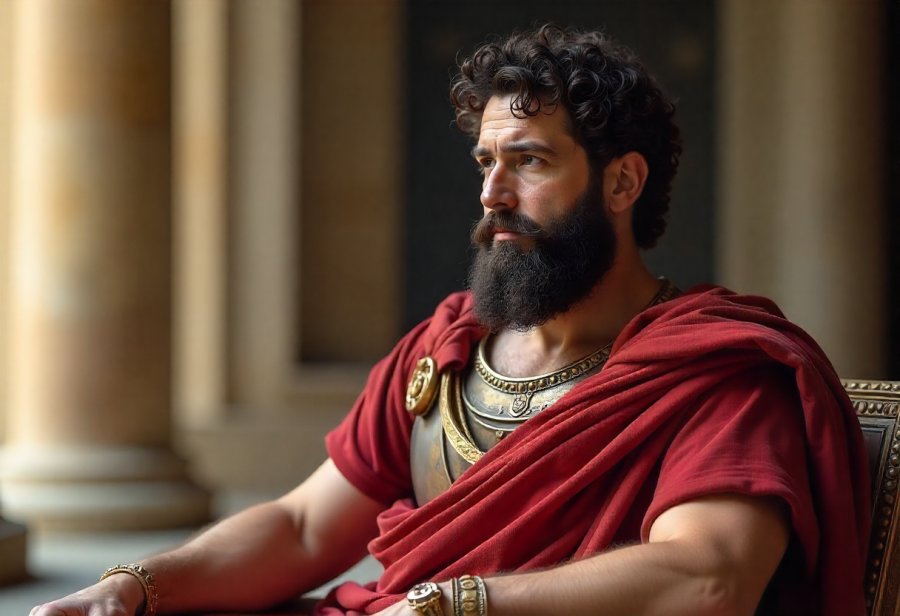
The Enduring Power of Inner Strength: Reflections and Future Pathways
Inner strength, built on wisdom and self-discipline, remains the most reliable foundation for lasting leadership. Unlike external achievements, which can be fleeting or superficial, qualities like resilience, patience, and moral clarity create a steady core that endures through chaos and change. Marcus Aurelius exemplified this through his calm, virtuous leadership amid turbulence, showing us that true power begins within. These inner virtues shape not only how we lead others but also how we navigate our own challenges, offering stability and purpose in uncertain times.
Cultivating inner discipline is an ongoing process, demanding consistent effort and humility. The more we nurture these qualities, the more they become second nature, enabling us to respond thoughtfully rather than react impulsively. This inner work fosters authenticity and trust, making our leadership more sustainable and inspiring. It’s a continuous journey—one that deepens our resilience and moral clarity, enriching both our personal growth and our capacity to lead with integrity.
The lessons of Marcus Aurelius remind us that genuine strength doesn’t rely on external validation or conquest. Instead, it flows from mastering ourselves—our thoughts, emotions, and principles. As the world grows more complex and unpredictable, investing in inner resilience becomes not just a virtue but a necessity. Leaders who develop and maintain this inner discipline can better face crises, inspire loyalty, and make decisions rooted in wisdom rather than ego or fear.
Looking ahead, integrating Stoic principles into daily routines can strengthen this inner foundation. Practices like reflection, mindfulness, and journaling help us stay centered amid external pressures. Over time, these habits transform abstract virtues into practical tools, enabling us to lead with calm clarity. By prioritizing inner development, we build a leadership style that is authentic, resilient, and capable of leaving a meaningful, lasting impact.
The shift toward valuing inner strength is gaining momentum across organizations and cultures. Many now see emotional intelligence, moral steadiness, and resilience as essential skills for effective leadership. These qualities foster trust and loyalty, creating environments where growth and innovation thrive. Embracing this inner focus aligns with timeless wisdom and prepares us to meet future challenges with confidence and moral clarity.
Developing this inner resilience is not without its challenges. It requires patience, persistence, and a willingness to face setbacks. Yet, each step forward reinforces our capacity to handle adversity and stay true to our values. Regular reflection and intentional practice turn these virtues into habits—powerful tools that sustain us during both calm and storm. The journey may be lifelong, but the rewards are profound: a steady, authentic strength that endures beyond external success.
By committing to this inner work, we not only become better leaders but also more whole individuals. Our ability to govern ourselves with calm and clarity influences every aspect of life, fostering growth, trust, and integrity. Marcus Aurelius’s example reminds us that the most enduring power is rooted in mastery over ourselves—a pursuit that enriches every challenge and opportunity we face.
In embracing the ongoing pursuit of inner discipline, we lay the groundwork for leadership that is resilient, authentic, and morally grounded. This inner strength is a source of stability in turbulent times and a beacon for those we serve. As we move forward, let us remember that true power isn’t measured by external signs but by the quiet, persistent cultivation of our inner virtues. That is where genuine influence and lasting legacy begin.