In a digital age dominated by screens and fleeting connections, gardening emerges as a powerful antidote, offering a tangible way to foster genuine bonds and promote healing. Tending a shared garden invites patience, cooperation, and heartfelt communication—ingredients often lost amid modern distractions. But can simply digging in the dirt truly deepen relationships and restore emotional trust? Evidence suggests it can, transforming routine tasks into meaningful rituals that nurture both plants and human connections. Through stories of couples reconnecting and families finding solace in shared growth, the act of tending to life outside becomes a metaphor for resilience and renewal. As plants flourish, so too do bonds, resilience, and hope. This activity doesn’t just cultivate vegetables or flowers; it cultivates love, understanding, and emotional safety—reminding us that sometimes, the best way to grow closer is to get our hands dirty together.
Reconnect and Heal Through Shared Gardening Moments
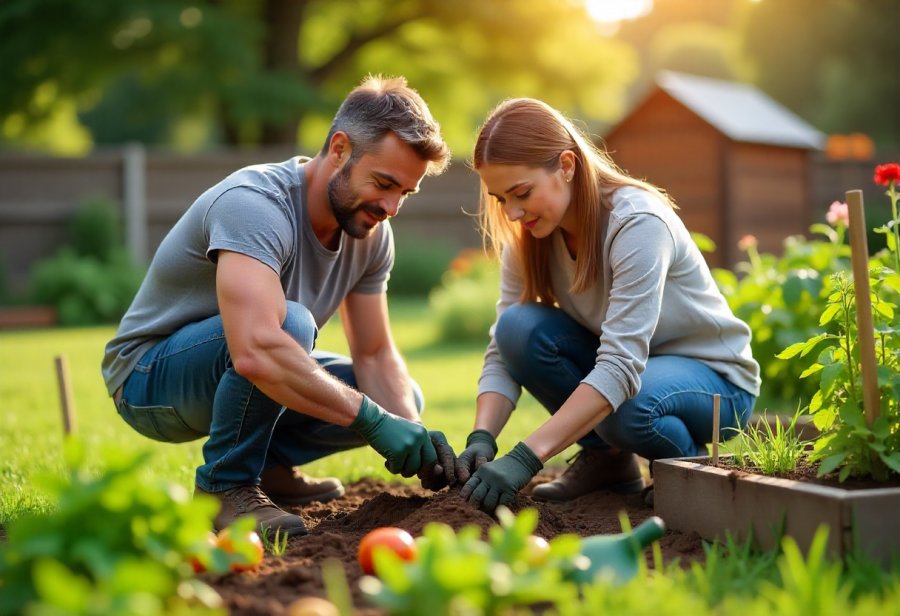
In a world where screens often dominate our attention, it’s easy to forget how powerful simple, real-world connections can be. When was the last time you truly worked alongside someone outdoors, hands in the dirt, sharing a task that produces something tangible? Gardening has a timeless appeal that goes beyond just growing plants. It’s about creating shared experiences and nurturing relationships. Tending a garden side by side encourages us to slow down, be present, and focus on a common goal, which can open the door to deeper bonds.
This idea isn’t just romantic or nostalgic; it’s supported by growing evidence showing how working in nature can promote healing and emotional well-being. When we care for plants together, we engage in a process that requires patience, cooperation, and communication—ingredients that build trust. Watching seedlings sprout or flowers bloom becomes a shared victory, reinforcing the feeling that we’re not alone in our efforts. Over time, those small moments of teamwork can lead to stronger, more resilient relationships.
In today’s digital age, many relationships suffer from emotional disconnection, even when people are physically close. Hours spent scrolling online or replying to messages often replace meaningful face-to-face interactions. This constant digital noise can create a paradox where we feel more connected than ever, yet more lonely inside. Gardening offers a refreshing alternative—an activity that demands presence and shared effort. It provides space for genuine conversations and mutual support, helping to rebuild trust that might have frayed amidst today’s busyness.
Working together outdoors also taps into our innate need for nature and tactile interaction. Being outside reduces stress and lifts mood, but doing so with someone else amplifies these benefits. Sharing the responsibility of caring for a garden creates a space where emotional and physical reconnection can happen naturally. It’s a simple act—planting, watering, tending—that fosters patience, empathy, and understanding, qualities essential for strengthening bonds.
Turning to outdoor activities like gardening offers a gentle yet powerful way to reconnect in a world often consumed by digital distractions. These shared routines transform daily life into meaningful rituals, nurturing not only plants but also relationships. By slowing down and focusing on caring for something outside ourselves, we open opportunities for honest conversations and shared purpose. Sometimes, the best way to reconnect is simply to dig in the dirt together.
Harnessing Nature’s Power for Emotional Well-Being
Gardening isn’t just about plants; it’s a natural way to boost mental and emotional well-being. When you’re working with soil and greenery, your body releases feel-good chemicals that help reduce stress and lift your mood. The rhythmic, physical actions of digging, planting, and watering create a calming effect, almost like a form of meditation, helping to clear your mind and promote relaxation. The tactile sensation of soil and leaves engages your senses fully, grounding you in the present moment and offering a break from worries and daily pressures.
Sharing gardening with someone else amplifies these mental health benefits. When you tend a garden together, you’re not just caring for plants—you’re fostering a sense of community and mutual support. Routine tasks like watering or harvesting become shared milestones, giving both of you a sense of purpose and achievement. These small victories build positive feelings and resilience, especially during challenging times, turning gardening into a gentle form of outdoor therapy that nurtures both emotional well-being and relationship strength.
Research shows that spending time in nature, including gardening, has tangible benefits for mental health. Exposure to green spaces can lower cortisol levels, the hormone linked to stress, and reduce feelings of anxiety and depression. The physical activity involved—bending, digging, reaching—releases endorphins that boost happiness. Being outdoors in natural light and fresh air energizes the body and sharpens the mind, making the experience even more restorative. When shared with others, these benefits are multiplied, creating a bond through mutual care and shared effort.
Beyond individual effects, gardening encourages social interaction rooted in cooperation and patience. Working side by side helps improve communication, supports problem-solving, and builds trust. Watching plants grow and flourish through shared effort offers a tangible sense of progress and success, reinforcing the idea that growth in a garden mirrors growth in a relationship. These routines and shared victories become quiet but powerful rituals that foster emotional safety and deepen connection.
Gardening also teaches resilience and patience—qualities essential for healthy relationships. When setbacks occur, whether pests or weather, working through these challenges together promotes cooperation and perseverance. Facing difficulties side by side helps build trust and demonstrates that setbacks are part of growth, whether in plants or in people. These shared struggles become opportunities for mutual support, strengthening bonds over time.
The act of nurturing plants offers a powerful metaphor for emotional healing. Just as seeds need time, attention, and patience to develop into healthy plants, relationships thrive through consistent care and kindness. The garden becomes a living symbol of growth, reminding us that, with effort and support, healing and renewal are possible. These shared moments of tending life outside create lasting memories and deepen emotional bonds that endure through seasons.
In essence, gardening becomes more than a hobby; it transforms into a pathway for emotional recovery and connection. The physical act of caring for something outside ourselves promotes mindfulness and presence, helping us slow down and reflect. When done with others, it provides a safe space for honest conversations and shared purpose. As we nurture life in the soil, we often find that our own emotional resilience and trust grow stronger, making gardening a simple yet profound activity for healing and relationship growth.
Counteracting Digital Disconnection with Outdoor Connection
In today’s fast-paced world, our lives are increasingly shaped by digital devices. From the moment we wake up, many of us reach for our phones, scrolling through emails, social media, or news feeds. This constant connection often leaves little room for genuine face-to-face interactions, making relationships feel more superficial and strained despite the illusion of closeness online. As a result, a paradox emerges: we’re more connected than ever yet feel lonelier and more disconnected from those around us.
This shift impacts families, couples, and friends alike. Shared moments become rare or are distracted by screens, transforming conversations into fragmented exchanges or passive co-presence. Over time, emotional bonds weaken, and the sense of support diminishes. The digital world, while offering instant communication, often replaces the deeper, more meaningful interactions that foster trust and understanding. The result is a gap that grows wider, leaving many feeling isolated even in the presence of others.
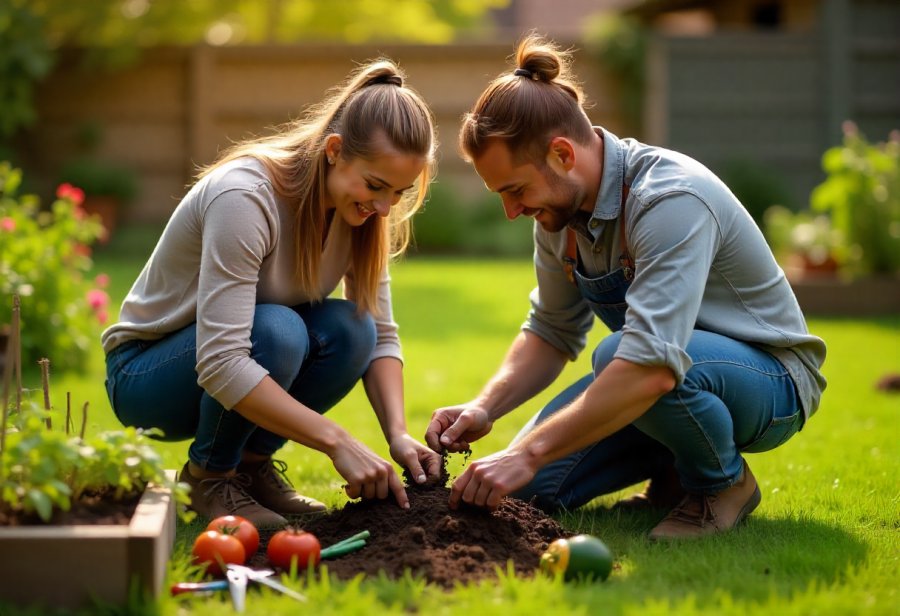
Amid this landscape, outdoor activities like gardening stand out as a natural remedy. When we step outside and work together in a garden, we’re compelled to slow down and pay attention to the present moment. Without the distraction of screens, conversations become more genuine, and shared efforts foster cooperation, patience, and empathy—key ingredients for rebuilding emotional connections. Tending to plants side by side transforms routine chores into opportunities for meaningful dialogue and mutual support.
Furthermore, being outdoors naturally reduces stress and boosts our mood, but doing so with someone else amplifies these benefits. Shared outdoor work creates a space where emotional and physical reconnection can happen effortlessly. It offers a chance to rebuild trust and intimacy, especially after periods of digital distraction or emotional distance. This simple act of caring for something living outside becomes a powerful way to restore the rhythm of human interaction that many have lost.
In an age dominated by social media and instant messaging, genuine connection often feels elusive. Gardening and outdoor projects demand real, hands-on participation, reminding us that meaningful bonds flourish through patience and attention—values that are hard to nurture through a screen. Choosing to spend time outdoors becomes an act of reclaiming human touch, fostering relationships that are resilient and rooted in shared effort.
As more communities recognize the mental toll of digital overload, initiatives like community gardens and outdoor therapy programs are gaining traction. These efforts highlight the importance of direct, physical engagement with nature and each other. They demonstrate that reconnecting outdoors isn’t just good for the environment—it’s essential for our emotional health. By making outdoor time a priority, we actively rebuild trust, support, and authentic connection with loved ones.
In this digital era, turning to the natural world offers a practical and meaningful way to bridge emotional gaps. Whether tending a garden with a partner or involving children in outdoor projects, these small acts foster conversations and shared purpose. They remind us that the path to genuine connection often begins outside, with our hands in the dirt and our hearts open to growth.
How Gardening Transforms Relationships and Daily Life
Gardening’s impact on daily relationships goes far beyond the act of planting; it weaves itself into routines that foster cooperation, patience, and trust. When couples or families work together to plant, water, and tend their garden, conversations often flow more naturally. These shared moments create a foundation of teamwork and understanding that can make everyday interactions smoother and more supportive. Over time, these routines become subtle but powerful rituals, reinforcing bonds through consistent shared effort.
Emotionally, gardening acts as a calming and therapeutic activity. The physical actions of digging, watering, and nurturing plants release feel-good chemicals that help lower anxiety and elevate mood. When done with someone else, these benefits are amplified, turning routine chores into meaningful bonding experiences. Such shared efforts often open space for honest conversations, allowing feelings to surface in a relaxed environment while fostering mutual support and empathy.
Watching a garden grow and flourish provides a tangible sense of achievement that everyone can celebrate. First sprouts or harvests become shared milestones, building pride and a collective sense of progress. These small victories remind us that growth—whether in plants or relationships—comes through patience, care, and teamwork. Celebrating these moments strengthens the emotional connection and encourages resilience in facing future challenges.
Gardening also teaches resilience and patience—traits essential for healthy relationships. When setbacks occur, like pests or bad weather, working through these challenges together encourages problem-solving and perseverance. Facing adversity as a team reinforces trust and demonstrates that setbacks are part of growth, whether in soil or in life. These shared struggles become opportunities to support each other and deepen emotional bonds.
Regular gardening routines, such as morning watering or evening harvesting, create a predictable rhythm that grounds relationships. Caring for something outside ourselves reminds us that ongoing effort, time, and attention are vital. These routines turn simple tasks into meaningful rituals, transforming daily life into opportunities for connection and shared purpose. In this way, tending a garden becomes a metaphor for nurturing trust and emotional safety.
Beyond the immediate act, gardening influences our emotional health by fostering a sense of stability and hope. As plants develop through consistent care, it becomes a symbol of growth and renewal—mirroring personal and relational development. This shared process encourages optimism and patience, helping couples and families navigate difficult times with a sense of purpose and resilience.
Finally, these routines and shared experiences create lasting memories that strengthen emotional bonds. Whether celebrating a bountiful harvest or simply enjoying the quiet beauty of a blooming garden, these moments cultivate a deeper sense of connection. Gardening, therefore, isn’t just about plants; it’s a gentle, ongoing act of nurturing love, trust, and resilience in everyday life.
Stories of Growth: Real-Life Impact of Gardening on Bonds
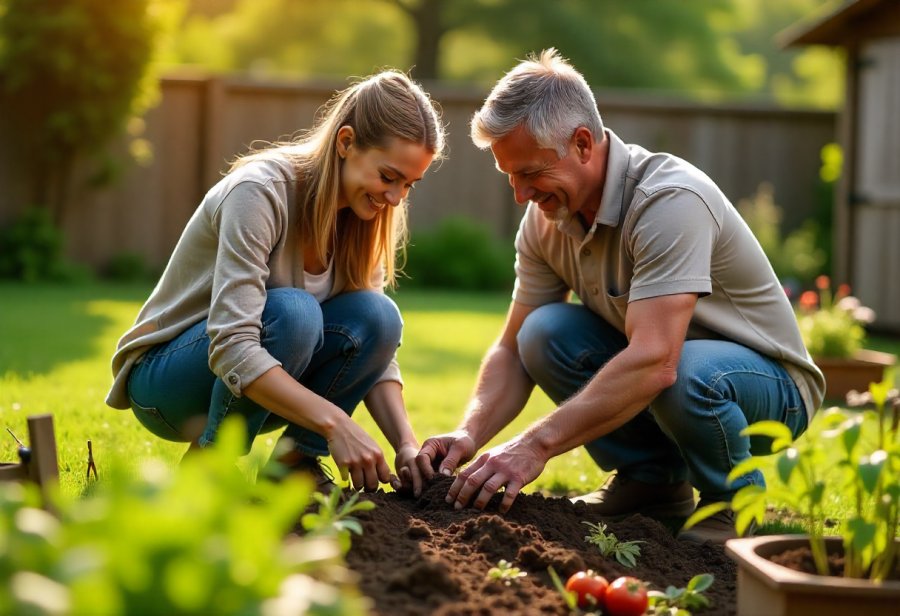
Stories from real people highlight just how transformative gardening can be for relationships. Take Laura and Mark, for example. After years of busy careers and growing apart, they decided to start a vegetable garden together. What began as a simple project to grow their own food quickly turned into a rediscovery of communication and support. As they planted seeds and watched their garden thrive, they found themselves sharing more meaningful conversations and rebuilding trust. Their relationship, once strained by daily stresses, blossomed anew through this shared activity.
Another powerful example is a family coping with grief. They began tending a flower bed together as a way to find comfort and purpose during a difficult time. Over weeks and months, nurturing the plants became a healing ritual, helping them process emotions and reconnect emotionally. The act of caring for something living outside provided hope and a sense of achievement, strengthening their bond and allowing them to move forward with renewed resilience.
These stories aren’t rare. Many people find that regular gardening routines have a noticeable impact on their daily interactions. Couples often discover that working side by side to plant or harvest creates natural opportunities for dialogue, deepening understanding. Families using gardening as a bonding activity develop teamwork, patience, and pride, turning simple chores into meaningful rituals that foster emotional safety and trust. The shared effort often sparks spontaneous conversations and shared laughter, building a foundation of support.
Even when setbacks occur—whether pests, bad weather, or disagreements about garden design—facing these challenges together can strengthen bonds. Working through problems side by side teaches cooperation, patience, and perseverance. These shared struggles become moments of mutual support, demonstrating that setbacks are just part of growth and healing. Over time, overcoming obstacles in the garden translates into greater resilience and trust in the relationship.
The impact of gardening extends beyond the immediate act of planting. For couples like Sarah and James, tending their vegetables rekindled communication and patience after a period of distance. For Lisa and her daughter, caring for a flower bed provided a safe space to heal from family loss and rebuild trust. In each case, planting and nurturing life outside created a shared journey—one that nurtured love, fostered understanding, and planted seeds for lasting growth.
These real-world examples show that tending a garden isn’t just about plants—it’s about cultivating connection. As people nurture life in the soil, they often find that their own emotional resilience and trust grow stronger. Gardening offers a simple yet profound path to healing and relationship strengthening, proving that sometimes, the best way to grow closer is to dig in the dirt together.