Uncover the extraordinary mind of Alexander the Great, a young prince whose relentless ambition and innovative strategies transformed him into one of history’s most legendary conquerors. How did a fractured Greek world give birth to a leader capable of uniting East and West? His tactical genius—combining adaptable battlefield tactics, psychological warfare, and cultural sensitivity—reshaped ancient warfare and empire-building. More than just a military genius, Alexander’s charismatic leadership inspired unwavering loyalty, forging bonds that transcended cultural barriers. His campaigns, driven by visionary purpose and meticulous logistics, demonstrate timeless lessons in resilience, agility, and influence. What makes his legacy endure across millennia? It’s the compelling fusion of strategic innovation, cultural integration, and personal magnetism. Delve into how Alexander’s daring vision and tactical mastery continue to inspire modern leadership, challenging us to rethink the limits of ambition and the true nature of legacy.
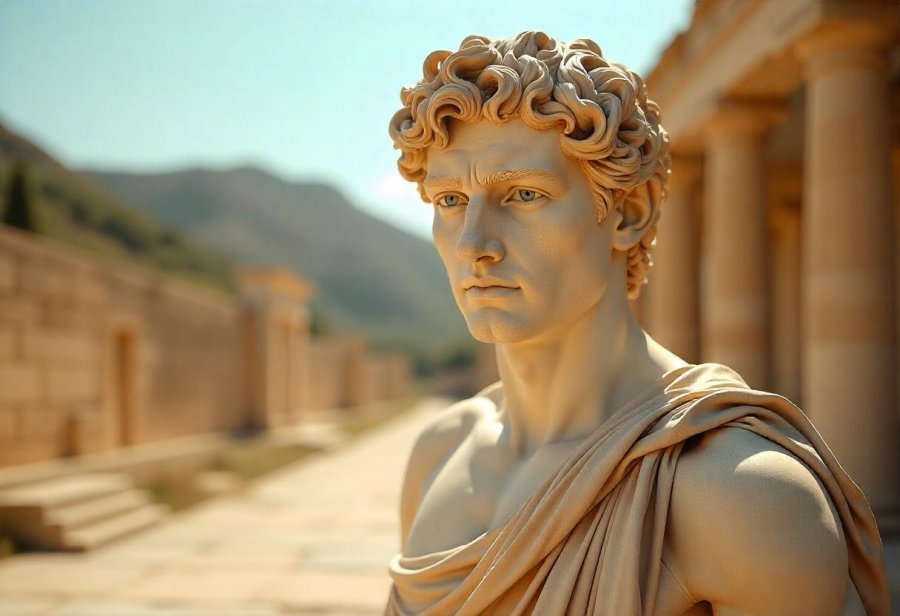
Unveiling the Genius of Alexander the Great: Leader, Strategist, Legend
Alexander the Great remains one of history’s most compelling figures, not merely because of the vast territories he conquered but because of the extraordinary strategies and personal qualities that underpinned his ascent. His legacy exemplifies the potent combination of innovative leadership and relentless ambition—forces that transformed the ancient world and continue to influence modern ideas of empire and conquest. To truly appreciate his impact, we must look beyond mere maps and military campaigns, delving into the mind of a leader who redefined what was possible through tactical ingenuity and unwavering vision.
Prior to Alexander’s rise, the political landscape of Greece and Macedonia was a fractured mosaic of rival city-states and shifting alliances. The Greek city-states—such as Athens, Sparta, and Thebes—maintained fierce independence, often engaging in destructive conflicts driven by rivalry and pride. Despite this fragmentation, a shared cultural identity persisted, rooted in language, religion, arts, and philosophy. This common cultural fabric would later serve as both a foundation and a catalyst for Alexander’s campaigns, providing ideological motivation and a sense of unity amid chaos. Meanwhile, Macedonia, often considered peripheral by the Greeks, was a monarchy with a warrior ethos, less refined culturally but increasingly powerful under the Argead dynasty. It was from this turbulent yet ambitious environment that Alexander emerged, poised to harness Macedonia’s martial strength and political ambition to forge an empire.
Alexander’s ascent was no mere inheritance; it was a product of his distinctive blend of tactical innovation and charismatic leadership. His approach to conquest was characterized by a willingness to challenge tradition, crafting new strategies tailored to each campaign’s unique circumstances. Unlike many of his peers, who relied on static formations and predictable tactics, Alexander demonstrated remarkable adaptability—improvising on the battlefield to exploit enemy weaknesses and terrain features that others might overlook. His understanding of terrain, psychology, and the principles of combined arms warfare allowed him to outmaneuver foes relying on brute strength or conventional tactics. His drive for glory and a conviction of divine destiny fueled his relentless pursuit of greatness—reinforced by claims of divine favor that bolstered his authority and inspired loyalty among his followers.
From the outset, Alexander’s strategic brilliance was evident. His military campaigns were meticulously planned, executed with rapid marches, and marked by a keen ability to seize key strategic points before opponents could mount a response. Swift, surprise attacks became his hallmark, often catching enemies off guard and disrupting their formations. His innovative tactics—such as the combination of disciplined phalanx formations with highly mobile cavalry—created a dynamic and unpredictable fighting force. This integration of different arms allowed him to adapt swiftly to diverse terrains, from Persia’s narrow mountain passes to the vast plains of India. His mastery of logistics and psychological warfare—using feints, intimidation, and morale manipulation—transformed battles into demonstrations of strategic genius rather than straightforward clashes of strength.
At the core of Alexander’s military success was his mastery of combined arms tactics. The Macedonian phalanx, armed with long sarissa spears and arranged in tight, disciplined formations, provided a formidable front capable of holding enemy lines and projecting power across the battlefield. Complementing this was his elite cavalry—particularly the Companion cavalry—which executed swift flanking maneuvers and disrupted enemy formations. By orchestrating coordinated attacks that seamlessly integrated these forces, Alexander could outthink and outmaneuver armies larger in size. His keen use of terrain—choosing battle sites that favored his tactics—and psychological warfare—employing surprise and chaos—elevated his campaigns from mere physical confrontations to demonstrations of strategic mastery. Each victory reinforced the perception that Alexander’s tactical flexibility and innovative approach were unmatched.
Leadership was perhaps Alexander’s most defining trait. His charisma and personal magnetism inspired unwavering loyalty among his troops, who believed deeply in his vision of greatness. Unlike leaders who relied solely on fear or tradition, Alexander engaged directly with his soldiers—sharing hardships, leading from the front, and exemplifying courage. His presence amid combat fostered bonds of trust and admiration, which proved crucial during extended campaigns through unfamiliar and often hostile territories. This personal engagement created a sense of unity and purpose that transcended cultural differences, forging a cohesive force committed to a shared goal. Such leadership—marked by authenticity, direct involvement, and motivational prowess—transformed his army into a resilient, disciplined, and motivated machine capable of extraordinary feats.
Ultimately, Alexander’s extraordinary achievements stemmed from an unshakable ambition intertwined with his strategic innovations. His education under Aristotle had cultivated a love for knowledge and a sense of divine destiny, fueling his relentless drive to achieve greatness. His campaigns were not merely about territorial expansion; they aimed to reshape the geopolitical and cultural landscape of the ancient world. His vision of uniting East and West, blending diverse civilizations into a new cultural mosaic, was driven by a desire to leave a lasting legacy—an ambition that pushed him beyond conventional limits. This relentless pursuit of glory, combined with tactical brilliance and charismatic leadership, elevated him from a young prince to a mythic figure whose influence endures today. Alexander’s story exemplifies how a combination of strategic innovation and personal ambition can forge a legacy that lasts across millennia.
Foundations of Conquest: The Tactical Brilliance and Leadership of Alexander
At the heart of Alexander’s military triumphs lay a distinctive capacity for tactical innovation paired with an innate talent for charismatic leadership. His approach was marked by a daring willingness to challenge established conventions, forging new strategies finely tuned to the unique circumstances of each campaign. Unlike many of his contemporaries, who depended on static formations and predictable methods, Alexander’s adaptability allowed him to improvise and exploit enemy weaknesses in real-time. His keen understanding of terrain, combined with psychological insight, enabled him to outthink opponents relying solely on brute strength or traditional tactics, turning each encounter into a demonstration of strategic ingenuity.
A defining element of his military doctrine was the seamless integration of the Macedonian phalanx with highly mobile cavalry units. The phalanx, armed with long sarissa spears and arranged in tight, disciplined formations, provided a formidable front capable of holding enemy lines and projecting power across the battlefield. Complementing this was his elite Companion cavalry, which executed swift flanking maneuvers, disrupting enemy formations and sowing chaos. This combination of heavy infantry and agile cavalry created a flexible fighting force that could adapt swiftly to diverse combat scenarios, confounding opponents unaccustomed to such coordinated tactics.
Alexander’s mastery extended beyond tactics to encompass logistics and supply chain management—elements often overlooked but crucial to sustained success. Recognizing early that victory was not solely dependent on battlefield prowess, he prioritized maintaining an efficient logistical network to support rapid marches and prolonged campaigns across vast and often hostile terrains. His ability to seize strategic points swiftly, outpacing enemies’ responses, allowed his armies to keep moving forward, often catching foes off-guard and forcing them into disadvantageous positions before engaging. This logistical discipline made it possible to sustain a relentless pace of conquest that stretched across continents and challenging environments.
Psychological warfare was another cornerstone of Alexander’s strategy. He understood that morale, perception, and reputation could be as decisive as physical force. Employing tactics such as surprise attacks, intimidating displays of force, and deliberate destruction of symbols of enemy power, he instilled fear and confusion. His penchant for crossing rivers unexpectedly, attacking through narrow mountain passes, and creating an aura of inevitability often led adversaries to surrender or retreat long before actual combat. These psychological manipulations amplified his tactical advantages, transforming battles into theatrical demonstrations of his strategic mastery and instilling unwavering confidence among his troops.
Leadership itself was perhaps Alexander’s most defining trait. His personal magnetism and ability to inspire loyalty transcended mere authority; he engaged directly with his soldiers, sharing hardships and leading from the front. His presence amid the chaos of battle fostered bonds of trust and admiration, vital during campaigns through unfamiliar and often hostile territories. By exemplifying courage and resilience, he created a unified sense of purpose that transcended cultural and linguistic differences. This authentic engagement forged a resilient, disciplined army—more than just a military force, it became a reflection of his vision, his charisma, and his relentless drive to redefine what was possible in warfare and leadership.

Decoding Success: How Strategy and Ambition Shaped Alexander’s Legacy
Alexander’s strategic mastery and relentless ambition are best understood as two sides of the same coin, each fueling the other to propel him beyond the limits of his contemporaries. His approach to warfare was characterized by an extraordinary capacity for innovation—an innate willingness to challenge established conventions and craft tactics precisely suited to the unique circumstances of each campaign. Unlike many generals who relied on static formations or predictable methods, Alexander’s flexibility allowed him to improvise and exploit enemy weaknesses on the fly. This adaptability often turned potential disadvantages into decisive advantages, confounding foes accustomed to more rigid strategies. His keen understanding of terrain, combined with psychological insight, enabled him to outthink opponents relying solely on brute strength or traditional tactics, transforming each engagement into a masterclass of strategic ingenuity.
A central pillar of Alexander’s success was his seamless integration of the Macedonian phalanx with highly mobile cavalry units. The disciplined phalanx, armed with long sarissa spears and arranged in tight formations, provided a formidable front capable of holding enemy lines and projecting power across the battlefield. Complementing this was his elite Companion cavalry, which executed rapid flanking maneuvers, disrupted enemy formations, and sowed chaos. The coordination between these arms created a flexible fighting force that could adapt swiftly to diverse combat scenarios—an innovation that kept adversaries off balance and unable to predict his next move. This tactical fluidity was not mere happenstance but the result of deliberate planning and an acute understanding of battlefield dynamics, allowing Alexander to capitalize on opportunities that others might overlook.
Beyond tactics, Alexander’s mastery extended into logistics and supply chain management—elements often underestimated but vital to sustained success. He recognized early that victory depended not only on battlefield prowess but also on maintaining a continuous flow of provisions, equipment, and reinforcements. His campaigns across Persia and into India demanded meticulous planning, swift marches, and the ability to seize strategic points before the enemy could respond. By choosing routes that favored rapid movement and by establishing supply depots along the way, Alexander kept his armies moving forward relentlessly. This logistical discipline enabled him to sustain a relentless pace of conquest over vast and challenging terrains, often outpacing and outmaneuvering enemies who relied on slower, more cumbersome supply methods.
Psychological warfare formed another cornerstone of his strategy. Alexander understood that morale, perception, and reputation could be as decisive as physical force. He employed tactics such as surprise attacks, intimidating displays of force, and the destruction of enemy symbols of power to sow confusion and fear. Crossing rivers unexpectedly or attacking through narrow mountain passes created an aura of inevitability that often forced adversaries into surrender or retreat long before actual combat. These psychological manipulations magnified his tactical advantages, transforming battles into demonstrations of his strategic superiority. The effect extended beyond the battlefield—his reputation alone often preceded him, demoralizing enemies and boosting the confidence of his own troops.
Leadership, perhaps more than any specific tactic, defined Alexander’s unparalleled achievements. His charisma and personal magnetism inspired unwavering loyalty among his soldiers, who believed deeply in his vision of greatness. Unlike leaders who relied solely on fear or tradition, Alexander engaged directly with his troops—sharing hardships, leading from the front, and exemplifying courage. His presence amid the chaos of battle fostered bonds of trust and admiration that proved crucial during long campaigns through unfamiliar and often hostile territories. This authentic engagement created a sense of unity and purpose that transcended cultural and linguistic differences, forging a resilient and motivated force capable of extraordinary feats. His ability to motivate through personal example and genuine connection made him not just a commander but a leader who inspired unwavering devotion.
What elevates Alexander’s legacy beyond his tactical brilliance is the unshakable ambition intertwined with his strategic innovations. His education under Aristotle had instilled in him a love for knowledge and a divine sense of destiny—driving him relentlessly forward. His campaigns aimed not only at territorial gain but at reshaping the geopolitical and cultural landscape of the ancient world. His vision of uniting East and West into a new cultural mosaic was motivated by a desire to leave a lasting legacy—an ambition that pushed him beyond conventional limits and into the realm of mythic stature. This relentless drive, combined with his ability to innovate and inspire, transformed him from a young prince into a figure whose influence endures across centuries. His story exemplifies how a fusion of strategic flexibility, personal ambition, and cultural sensitivity can forge a leader capable of creating history—an enduring testament to the power of vision combined with skill.
Applying Ancient Wisdom: Practical Lessons from Alexander’s Leadership for Today’s World
The leadership qualities exemplified by Alexander the Great continue to resonate powerfully in today’s strategic landscape, offering lessons that extend well beyond the battlefield. His ability to craft tailored strategies by thoroughly analyzing the environment—whether it was unfamiliar terrain, diverse cultures, or unpredictable enemies—and then adapting swiftly to changing circumstances remains a cornerstone of effective leadership. Modern leaders can draw from this approach by emphasizing the importance of situational awareness and agility. In a world characterized by rapid technological advances and shifting geopolitical dynamics, the capacity to pivot, reassess, and refine tactics in real time can determine success or failure, much like Alexander’s improvisations in combat.
Inspiring loyalty and motivation, central to Alexander’s success, remains timeless. His personal magnetism and capacity to communicate a compelling vision fostered a sense of shared purpose that transcended cultural and linguistic barriers. Contemporary leadership recognizes that authenticity and emotional intelligence are essential to building trust, especially when managing diverse teams or operating across borders. Leaders who demonstrate genuine commitment, share hardships transparently, and lead by example create resilient organizations capable of weathering crises. When teams believe their leader is invested in their well-being and aligns actions with core values, loyalty naturally follows—an insight that echoes Alexander’s direct engagement with his troops on the front lines.
Alexander’s relentless pursuit of his ambitions underscores resilience as a vital attribute in high-stakes environments. His campaigns, often stretched across vast distances and faced with formidable opposition, show that perseverance fueled by a clear purpose can sustain momentum through setbacks and adversity. Modern organizations, whether navigating market disruptions or political upheavals, benefit from cultivating a strong sense of mission. This clarity of purpose acts as a guiding star, helping teams stay focused amid chaos and resist the temptation to abandon long-term goals when confronted with short-term difficulties. Resilience rooted in conviction ensures sustained effort and increases the likelihood of achieving transformative success.
Innovation and adaptability, hallmarks of Alexander’s military strategy, hold equally relevant lessons in today’s competitive landscape. His refusal to rely solely on traditional tactics and his willingness to experiment with new approaches exemplify how flexibility fosters advantage. Whether leveraging emerging technologies, rethinking operational models, or exploring unconventional partnerships, contemporary leaders must foster a culture that embraces change. Encouraging experimentation, learning from failures, and continuously seeking novel solutions enable organizations to stay ahead of disruptive forces. As Alexander demonstrated through his battlefield agility, the ability to adapt swiftly and decisively can turn vulnerabilities into opportunities for growth.
Cultural sensitivity and psychological insight, key components of Alexander’s leadership, are increasingly crucial in our interconnected world. His capacity to respect local customs, forge alliances, and incorporate diverse peoples into his expanding empire exemplifies the power of influence rooted in understanding and empathy. Modern leaders who develop emotional intelligence and cultural awareness can build bridges where others see barriers. Whether managing multinational teams, negotiating international agreements, or leading community initiatives, tailoring influence strategies to different audiences fosters cooperation and loyalty. This nuanced approach underscores that genuine influence rests not merely on authority but on respecting and leveraging cultural differences to create shared purpose.
The psychological tactics Alexander employed—such as creating an aura of inevitability, employing surprise, and manipulating perceptions—offer valuable insights into effective influence strategies today. While the ethical standards of modern society differ from those of antiquity, the core principle remains: perception shapes reality. Leaders who craft compelling narratives, demonstrate confidence through decisive actions, and leverage the element of surprise can sway opinions and motivate stakeholders more effectively than force or authority alone. Recognizing the power of narrative and perception allows contemporary figures to inspire teams, sway public opinion, and navigate complex negotiations with greater finesse—echoing Alexander’s mastery of psychological warfare.
Finally, the synthesis of vision, tactical flexibility, and personal charisma made Alexander not just a conqueror but a leader capable of creating lasting change. His example encourages today’s leaders to define a clear purpose, remain open to innovative strategies, and motivate others through authenticity and shared values. Success in our complex environment often depends on balancing unwavering focus with the agility to adapt to new information and unforeseen challenges. Emulating Alexander’s integrated approach—driving toward long-term goals while remaining responsive to evolving circumstances—can turn ambitious visions into tangible achievements. In doing so, leaders forge paths not only toward immediate success but also toward enduring legacies rooted in strategic insight and inspired leadership.

Reflections on Greatness: The Enduring Impact of Alexander the Great
Alexander the Great’s legacy endures as a testament to how strategic innovation, unyielding ambition, and charismatic leadership can reshape history. His ability to adapt tactics swiftly across diverse terrains and against formidable foes exemplifies a level of military and leadership genius that continues to influence modern strategic thinking. This fusion of battlefield ingenuity, cultural sensitivity, and personal magnetism allowed him to forge an empire stretching across continents, setting the stage for profound cultural exchanges and lasting transformation. The archaeological evidence, alongside ancient texts, highlights how his pioneering methods revolutionized traditional warfare and political conquest, leaving an imprint that persists in contemporary narratives of leadership and empire-building.
Throughout his campaigns, Alexander demonstrated that victory hinges less on raw strength and more on mastery of strategy, logistics, and psychological insight. His innovative use of combined arms tactics—integrating the disciplined Macedonian phalanx with swift cavalry—created a flexible, unpredictable force capable of outmaneuvering larger armies. His keen understanding of terrain and enemy psychology turned each engagement into a demonstration of strategic superiority rather than mere combat. These lessons remind us that adaptability and nuanced perception are as vital today as they were in antiquity, emphasizing that success often depends on thinking several moves ahead and responding dynamically to change.
What truly elevates Alexander’s story beyond mere conquest is his capacity to inspire unwavering loyalty and trust among a remarkably diverse army. His personal magnetism and ability to articulate a compelling vision fostered a shared sense of purpose that transcended cultural and linguistic barriers. Leading from the front, sharing hardships, and exemplifying resilience, he built bonds of trust that endured through long, arduous campaigns in unfamiliar and often hostile environments. This authentic engagement and emotional intelligence created a resilient unity—a force motivated not just by duty but by genuine belief in their leader’s mission. Such qualities remain central to effective leadership in any era, illustrating that true influence derives from connection as much as command.
His relentless pursuit of greatness, fueled by education under Aristotle and a divine sense of destiny, intertwined with his strategic innovations, transformed him from a young prince into a mythic figure whose impact echoes today. His vision extended beyond territorial expansion to encompass the redefinition of cultural and geopolitical boundaries, seeking to unite East and West into a new, integrated civilization. This ambitious drive, combined with a mastery of tactics and a deep understanding of human motivation, allowed him to create a lasting legacy rooted in both conquest and cultural synthesis. His example underscores that visionary leadership, when paired with tactical flexibility, can forge paths that endure far beyond the battlefield.
The synthesis of Alexander’s strategic brilliance, cultural sensitivity, and personal charisma offers timeless lessons for contemporary leaders. His capacity to analyze complex environments, adapt swiftly, and motivate through authenticity and shared purpose remains as relevant today as in the ancient world. Modern challenges—whether geopolitical, technological, or organizational—demand the same agility and emotional intelligence that Alexander exemplified. Emulating his holistic approach involves balancing unwavering focus with the openness to innovation, fostering resilience amid uncertainty, and inspiring loyalty through genuine engagement. Such a model transforms ambition into enduring influence, capable of leaving a profound mark on history.
In contemplating Alexander’s legacy, we find a blueprint for transformational leadership rooted in strategic mastery and human connection. His pioneering tactics, cultural openness, and unwavering ambition remind us that true greatness arises not solely from conquest but from the ability to inspire, adapt, and build lasting bridges across differences. His life exemplifies how vision paired with relentless effort can reshape worlds, leaving a legacy that continues to inspire generations. As we reflect on his achievements, the enduring lesson is clear: leadership that combines innovation with authenticity can transform not only armies and empires but also the course of human history itself.
