Nylon, a staple in our daily lives—from clothing and carpets to industrial gear—embodies a paradox of convenience and environmental cost. Its creation from fossil fuels involves energy-intensive processes that emit greenhouse gases, contribute to habitat destruction, and deplete finite resources. Once produced, nylon’s durability leads to long-lasting pollution, as tiny microplastics shed during washing infiltrate oceans and threaten marine ecosystems. Are we aware of the true environmental toll behind this synthetic fiber? As demand grows, so does nylon’s ecological footprint, perpetuating a cycle of pollution, resource depletion, and climate impact. Fortunately, innovations like bio-based nylons, recycling strategies, and biodegradable polymers offer promising pathways to reduce these harms. But will industry shifts and consumer choices be enough to break free from nylon’s environmental grip? This exploration challenges us to rethink our reliance on synthetic fibers and consider sustainable alternatives for a healthier planet.
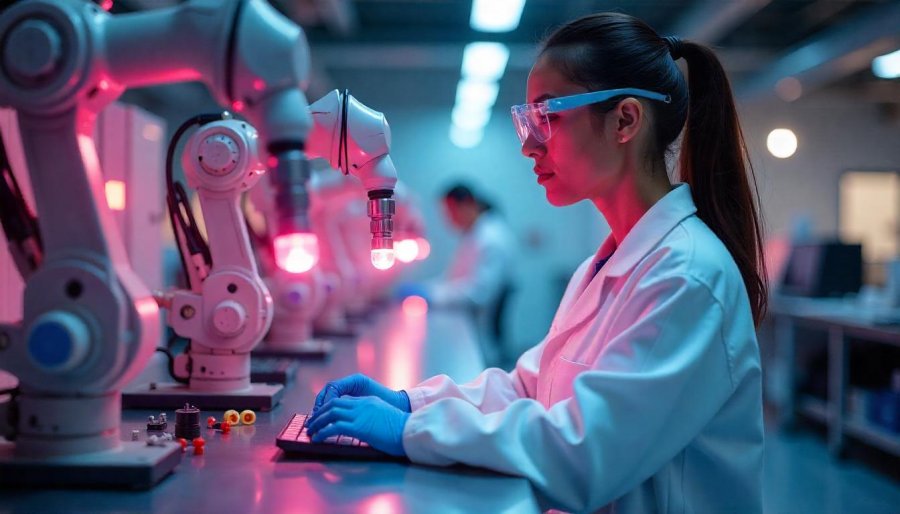
Unveiling Nylon: Its Ubiquity and Hidden Environmental Toll
Nylon is one of the most familiar synthetic fibers in our daily lives, appearing in everything from clothing and carpets to sports gear and industrial materials. Its widespread use comes down to its toughness, elasticity, and affordability, making it a favorite among manufacturers and consumers alike. But behind its practicality lies an environmental story that’s often overlooked—one that raises serious concerns about sustainability and ecological impact.
The story of nylon begins with its chemical makeup. It’s a polymer created through a process called polymerization, where small molecules known as monomers link together to form long, durable chains. Different types of nylon, such as nylon 6 and nylon 6,6, are designed for specific applications based on their structure. Chemically, nylon falls into the polyamide family, prized for its resilience, flexibility, and resistance to wear and tear. Since its invention in the 1930s, nylon has revolutionized industries by offering a cheaper, versatile alternative to natural fibers like silk and wool.
However, the production of nylon ties directly to fossil fuels—mainly oil and natural gas. These raw materials undergo energy-intensive chemical reactions involving heat, catalysts, and solvents to produce the monomers needed for nylon. This process is not only resource-heavy but also releases greenhouse gases such as carbon dioxide and nitrous oxide, which significantly contribute to climate change. Moreover, extracting and refining these fossil fuels often causes habitat destruction and water contamination, adding further environmental costs.
Once manufactured, nylon’s durability becomes a double-edged sword. It resists breaking down in landfills, where it can linger for hundreds of years. Over time, nylon products fragment into microplastics—tiny fibers that shed during washing or wear. These microfibers often bypass wastewater treatment and end up in oceans and lakes, where marine life ingests them, leading to injury and chemical transfer up the food chain. This persistent pollution highlights a critical challenge: nylon’s long-lasting presence in the environment.
Addressing these issues requires a shift in how we produce and think about synthetic fibers. Innovations like bio-based nylons made from renewable resources, along with improved recycling methods, can reduce reliance on fossil fuels and curb waste. Supporting sustainable practices and choosing eco-friendly alternatives can help balance nylon’s benefits with the urgent need to protect our planet from its hidden environmental toll.
Nylon’s Chemical Heartbeat: Foundations of a Synthetic Marvel
Nylon is a synthetic polymer that plays a major role in our daily lives, from clothing and carpets to industrial parts and sports gear. Its creation begins with polymerization, a process where small molecules called monomers link together to form long, sturdy chains. Different types, like nylon 6 and nylon 6,6, are tailored for specific uses based on their chemical structures. Chemically, nylon belongs to the polyamide family, known for its durability, elasticity, and resistance to wear and tear. Since its invention in the 1930s, it revolutionized industries by providing a versatile, affordable alternative to natural fibers such as silk and wool.
The production of nylon is deeply intertwined with fossil fuels—mainly oil and natural gas. These raw materials undergo complex chemical reactions involving heat, catalysts, and solvents to produce the monomers. This energy-intensive process not only consumes vast amounts of non-renewable resources but also releases greenhouse gases like carbon dioxide and nitrous oxide, which significantly contribute to climate change. Extracting and refining these fossil fuels often causes habitat destruction and water contamination, adding further environmental burdens.
During manufacturing, the chemical reactions involved in converting monomers into nylon release pollutants. Greenhouse gases are emitted, and toxic solvents and reagents can escape into the environment if not properly managed. These emissions threaten local ecosystems and pose health risks for nearby communities, highlighting how nylon’s production impacts both climate and public health. The chemicals used also create waste residues that can persist long after the manufacturing process ends.
Once produced, nylon’s durability becomes problematic for the environment. Unlike organic waste that decomposes naturally, nylon can linger in landfills for hundreds of years. As it slowly fragments, it forms microplastics—tiny fibers that shed during washing or wear. These microfibers often bypass wastewater treatment systems and end up in oceans and lakes, where marine life ingests them, causing injury and transferring toxins through the food chain. This persistent pollution underscores nylon’s long-term ecological footprint.
The reliance on fossil fuels for nylon’s production perpetuates a cycle of resource depletion and environmental degradation. As demand increases, so does the extraction of oil and gas, amplifying habitat disruption, water pollution, and greenhouse gas emissions. This cycle is difficult to break without significant shifts in industry practices and consumer behavior. Recognizing these challenges highlights the importance of exploring sustainable alternatives and rethinking how we produce and dispose of synthetic fibers.
Innovations like bio-based nylons, derived from renewable resources such as plant sugars, algae, or biomass, offer promising solutions. These fibers are designed to biodegrade more easily and have a lower carbon footprint, providing an eco-friendlier option that maintains performance. Recycling methods, both mechanical and chemical, enable old nylon products to be transformed into new fibers, supporting a circular economy and reducing waste.
Advances in biodegradable polyamides further contribute to sustainability. These engineered plastics break down more quickly in natural environments, minimizing long-term pollution. Combined with improved manufacturing practices—like cleaner catalysts, energy-efficient machinery, and renewable energy usage—these innovations are shaping a future where nylon’s environmental impact can be significantly reduced. Supporting these changes through informed choices and industry shifts is crucial for balancing utility with ecological responsibility.
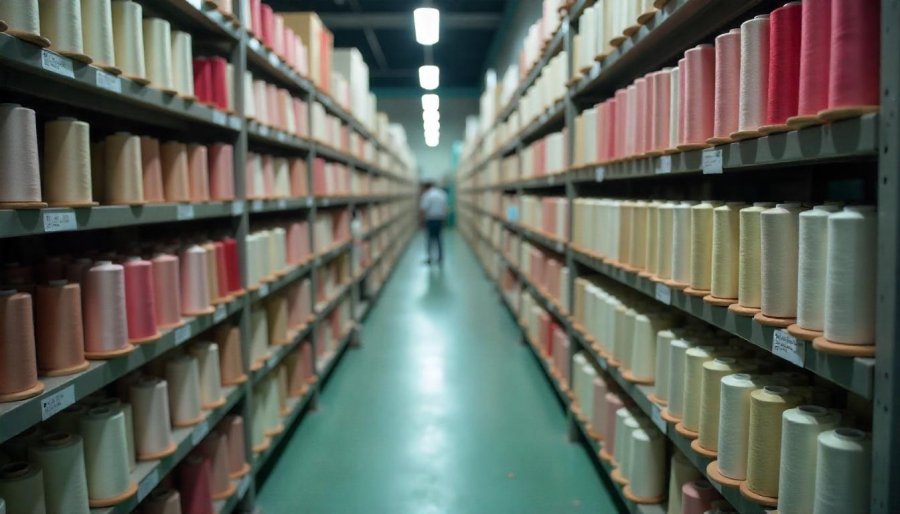
The Hidden Costs of Nylon: Environmental Challenges Uncovered
Nylon’s widespread use has brought with it a host of environmental issues that often go unnoticed. Its production process is highly energy-intensive, releasing pollutants into the air and water that contribute to pollution and climate change. Hazardous chemicals, such as volatile organic compounds and other reagents, can escape into the environment if not carefully managed, harming ecosystems and posing health risks to nearby communities. These emissions add to the growing problem of industrial pollution that affects both local environments and global health.
Once in use, nylon fibers shed tiny microplastics during washing and wear. These microfibers are so small that they often bypass wastewater treatment systems and end up in oceans, lakes, and rivers. Marine animals mistake these fibers for food, ingesting them and suffering from internal injuries or chemical poisoning. The accumulation of microplastics disrupts ecosystems and threatens marine biodiversity, with consequences that ripple up the food chain, affecting both wildlife and humans.
Disposing of nylon products presents another significant challenge. Since nylon is non-biodegradable, items like clothing, carpets, and industrial parts can persist in landfills for centuries. Over time, these products fragment into microplastics, contaminating soil and water sources. This persistent pollution contributes to the global plastic waste crisis, making it difficult to break the cycle of environmental degradation and highlighting the long-term costs of our reliance on synthetic fibers.
The dependence on fossil fuels for nylon’s production worsens these issues. Extracting and refining oil and natural gas depletes finite resources, often causing habitat destruction and water contamination. The chemical reactions involved in transforming these raw materials into nylon emit greenhouse gases that accelerate climate change. As demand grows, so does the environmental footprint of nylon, creating a cycle that is challenging to halt without industry and behavioral shifts.
Addressing these environmental challenges requires a comprehensive approach. Innovations like bio-based nylons from renewable resources, along with advanced recycling technologies, can significantly reduce nylon’s ecological impact. Supporting sustainable manufacturing practices and responsible consumption—such as choosing recycled or biodegradable options—can help mitigate the long-term environmental costs. Recognizing the full scope of nylon’s footprint is essential to developing effective strategies for a more sustainable future.
Fossil Fuel Foundations: The Environmental Price of Nylon Production
Nylon production from fossil fuels has far-reaching environmental consequences that go beyond the end product. The process begins with extracting crude oil and natural gas—resources that are finite and whose depletion raises serious sustainability concerns. These raw materials are processed through energy-intensive chemical reactions involving heat, catalysts, and solvents, all of which depend heavily on fossil fuels. This reliance not only exhausts non-renewable reserves but also results in significant greenhouse gas emissions, fueling climate change on a global scale.
During manufacturing, the polymerization of monomers into nylon releases greenhouse gases like carbon dioxide and nitrous oxide, both of which have a much higher warming potential than carbon dioxide alone. Toxic solvents and reagents used in these reactions can escape into the environment if not carefully managed, contaminating nearby air, water, and soil. These emissions threaten ecosystems and pose health risks for communities living near production facilities, highlighting how nylon’s creation is deeply tied to pollution and ecological damage.
The extraction phase itself causes substantial habitat disruption. Drilling for oil and natural gas often destroys ecosystems, displaces wildlife, and contaminates water sources through spills and runoff. The refining process further releases volatile organic compounds and other pollutants, degrading air quality and contributing to smog formation. Each step in this chain amplifies environmental harm, creating a cycle of resource depletion and pollution that’s hard to break.
Once produced, nylon’s durability becomes a long-term environmental challenge. Unlike organic waste, nylon does not naturally decompose; instead, it persists in landfills for hundreds of years. Over time, these items fragment into microplastics—tiny fibers that shed during washing or wear. These microfibers often bypass wastewater treatment systems and find their way into oceans and lakes, where marine life ingests them, suffering injury and chemical poisoning. This microplastic pollution accumulates, disrupting ecosystems and threatening biodiversity.
The reliance on fossil fuels for nylon’s production sustains a cycle of resource depletion, greenhouse gas emissions, and ecological degradation. As demand grows, so does the environmental footprint of each fiber, making it increasingly difficult to mitigate the impact without systemic change. Transitioning to greener alternatives and more sustainable practices is essential to break this cycle and reduce nylon’s ecological toll.
Innovations such as bio-based nylons, derived from renewable resources like plant sugars or algae, offer promising solutions. These alternatives can lower carbon footprints and enhance biodegradability, maintaining performance while reducing reliance on finite resources. Alongside improved recycling technologies—mechanical and chemical—these innovations support a circular economy, aiming to reuse materials and cut down on waste.
Supporting sustainable manufacturing practices, from cleaner catalysts to renewable energy sources, also plays a crucial role. When brands adopt environmentally friendly processes, they significantly lessen nylon’s ecological footprint. Combined with consumer choices—favoring recycled, biodegradable, or bio-based fibers—these efforts can accelerate industry-wide shifts towards sustainability, helping to protect our planet from this persistent pollutant.
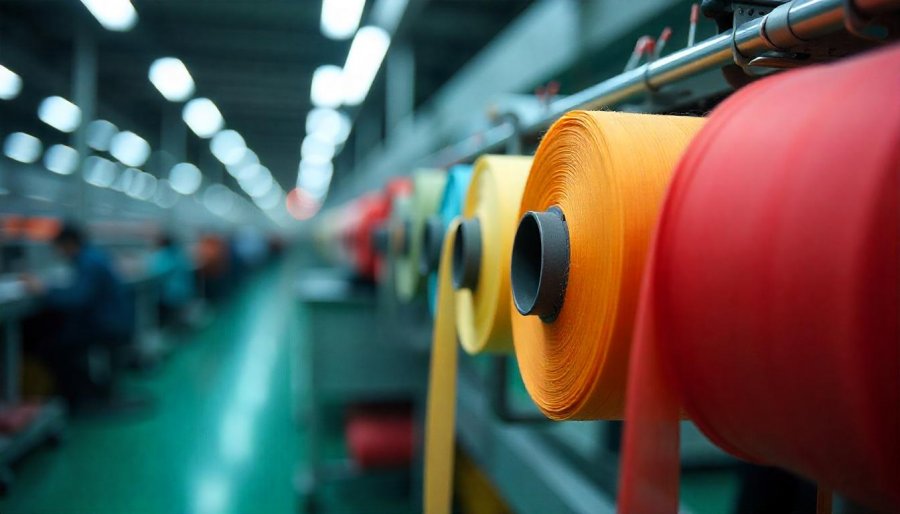
Eco-Friendly Paths: Sustainable Alternatives for Nylon’s Future
To reduce the environmental footprint of nylon, the fashion industry and consumers are increasingly exploring sustainable alternatives. One promising development is bio-based nylon, made from renewable resources such as plant sugars, algae, or biomass. These fibers are designed to biodegrade more readily and to have a lower carbon footprint, allowing us to enjoy the benefits of synthetic textiles without the heavy reliance on fossil fuels. Although still emerging, bio-based nylons are gaining traction as a practical option that balances performance with environmental responsibility.
Recycling offers another vital pathway toward sustainability. Mechanical and chemical recycling processes enable old garments and industrial waste to be transformed into new fibers. This approach creates a circular economy, where materials are reused rather than discarded after a single use. Recycling reduces the demand for virgin petrochemical feedstocks, cuts energy consumption, and prevents nylon from piling up in landfills, addressing microplastic pollution and waste accumulation.
Biodegradable polyamides are also making headway in reducing nylon’s long-term environmental impact. These specially engineered polymers are designed to break down more quickly in natural environments, minimizing persistent pollution. While still in the early stages, biodegradable nylons could significantly lessen the long-lasting presence of synthetic fibers in ecosystems, especially when paired with responsible disposal practices. This innovation offers hope for a future where nylon no longer lingers as a stubborn pollutant.
Industry shifts toward greener manufacturing practices play a crucial role in sustainability. Incorporating cleaner catalysts, energy-efficient machinery, and renewable energy sources can dramatically lower nylon’s ecological footprint. Many brands are now adopting closed-loop systems that reuse water and chemicals, reducing waste and emissions. These operational changes demonstrate that sustainability is achievable within existing production frameworks and that industry transformation is both necessary and possible.
Consumers also hold significant power in driving change. Choosing clothing made from recycled, biodegradable, or bio-based fibers supports a shift toward greener fashion. Simple actions like washing clothes less frequently, using microfiber-catching laundry bags, and repairing or reusing garments extend their lifespan and reduce fiber shedding. Supporting brands committed to transparency and sustainability encourages industry-wide adoption of eco-friendly practices.
Policy and innovation continue to shape a more sustainable future for nylon. Governments are implementing regulations that promote recycling, limit chemical use, and support research into bio-based materials. Scientific advances in fiber engineering and waste management techniques further accelerate progress. When consumers, brands, and policymakers collaborate, the transition to more sustainable textiles becomes not only feasible but inevitable.
Moving toward eco-friendly alternatives isn’t just an environmental imperative—it’s vital for a resilient future. By embracing bio-based nylons, enhancing recycling methods, and supporting sustainable manufacturing, we can reduce nylon’s ecological toll without sacrificing utility. Small choices, collective shifts in industry standards, and ongoing innovation will help ensure that the materials we rely on today don’t compromise the health of tomorrow’s planet.