Learning to drive marks a pivotal moment of both excitement and anxiety for teenagers, transforming nervous beginners into confident drivers. But does the road to independence truly ease the internal struggles they face? This journey is not just about mastering steering or braking; it’s an emotional odyssey filled with doubt, fears of mistakes, and moments of triumph. Modern driver education is evolving—with simulators, AI-driven feedback, and advanced vehicle safety features—yet challenges like resource disparities and emotional resilience gaps remain. Real-world stories highlight the power of perseverance, emphasizing that progress is built through patience and support. What if the future of teen driving education seamlessly combines immersive technology with emotional training, making young drivers not only skilled but mentally prepared? As innovations develop, the goal is clear: empower teens with the skills, confidence, and resilience to navigate roads—and life—with calm and responsibility.

Emotional Journeys in Teenage Driving: Building Confidence and Overcoming Nerves
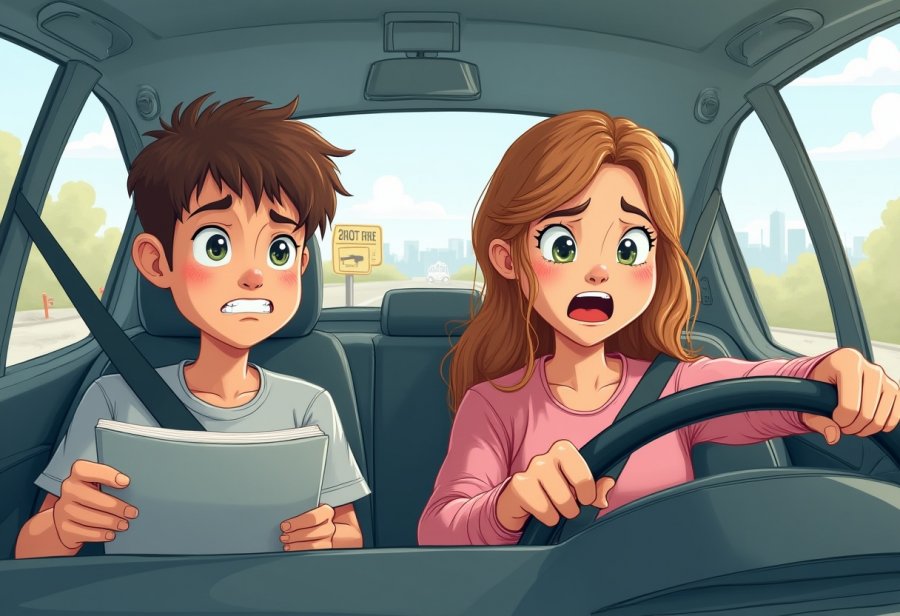
Learning to drive as a teenager is more than just learning how to steer or brake; it’s an emotional journey that’s full of ups and downs. For many teens, the idea of gaining independence behind the wheel is exciting, but it can also be overwhelming. The first time they sit in the driver’s seat, nerves often kick in—hands may tremble, eyes dart to mirrors, and the mind races with all the possible what-ifs. It’s a natural response to stepping into a role that feels both powerful and responsible.
These feelings of doubt and anxiety are common. Heavy traffic, unfamiliar roads, or tricky maneuvers can make even confident teens second-guess themselves. Many grapple with fears of making mistakes, hitting something, or simply not being good enough. But understanding that these emotions are part of the learning process helps normalize the experience. Recognizing nerves as a sign of growth, rather than failure, encourages teens to keep pushing forward.
Building trust in oneself is a key part of this emotional ride. As teens practice in safe environments—quiet neighborhoods or empty parking lots—they begin to see small wins, like successfully making a turn or parking smoothly. These moments boost confidence, making more challenging drives feel less intimidating. Conversely, setbacks like stalls or hesitant stops are valuable lessons in patience and persistence, showing that mistakes are just stepping stones, not dead ends.
Support from parents, instructors, and peers plays a crucial role in this emotional development. Encouragement and positive feedback turn anxiety into motivation. When teens feel their efforts are recognized, they’re more willing to take on new challenges and trust their growing skills. This sense of security creates a foundation for handling nerves better, even in stressful situations.
Learning to drive is ultimately a process of self-discovery. It’s about more than just controlling a vehicle—it’s about understanding your strengths, managing fears, and gaining confidence. Each practice session uncovers new insights into decision-making, focus, and patience. Through this, teens develop resilience that extends well beyond the road, shaping their ability to face future challenges with calm and competence.
Knowing that nerves are a natural part of learning helps teens approach each drive with a growth mindset. With time, patience, and support, those initial jitters give way to a sense of control and independence. This emotional foundation isn’t just about driving—it’s about building the confidence to take on life’s many roads ahead.
Understanding Driving Anxiety: Roots, Strategies, and Confidence Boosts
Understanding driving anxiety means examining where those nerves originate. For many teens, stepping into the driver’s seat feels like a leap into the unknown—powerful machinery, quick decisions, and unfamiliar roads can all trigger a wave of worry. Fear of making mistakes or causing an accident often fuels these feelings, rooted in limited experience and the natural anxiety of new responsibilities. Recognizing that these fears are common helps teens see their nerves as a normal part of growth, not a sign of failure.
Unpredictability on the road intensifies this anxiety. No matter how well-prepared, unexpected situations—like sudden stops or tricky turns—can spark panic. When teens face unfamiliar routes or heavy traffic, their minds tend to focus on what could go wrong, amplifying their nerves. Accepting that some level of unpredictability is part of driving makes it easier to stay calm and focus on the task at hand.
Breaking down these fears into manageable steps can make a big difference. Starting in quiet neighborhoods or low-traffic areas allows teens to build familiarity without feeling overwhelmed. Breathing exercises and positive self-talk are simple yet effective tools to stay centered during stressful moments. Visualizing successful drives beforehand can also set a confident tone, helping to shift their mindset from fear to focus.
Building confidence hinges on trust—trust in their skills and decision-making. When teens receive encouraging feedback and see their progress, their self-belief grows. Recognizing small achievements, like mastering a three-point turn or navigating a roundabout, reinforces that they’re capable. This sense of control gradually diminishes anxiety, replacing it with a belief in their ability to handle real-world situations.
Managing driving nerves involves patience. It’s normal to feel anxious at first, and that anxiety often lessens with repeated exposure and positive experiences. Techniques like mindful breathing or staying present in the moment can calm jittery nerves. Over time, these strategies help teens respond more calmly and confidently, turning initial fears into a sense of preparedness.
Understanding that nerves are part of the learning curve helps teens approach each drive as an opportunity to grow. The more they practice, the more familiar and manageable these feelings become. As confidence builds, their focus shifts from fear of mistakes to trust in their abilities, making each drive a step forward on the road to independence.
Every nervous moment is a chance to learn resilience. Recognizing that anxiety isn’t a barrier but a cue for preparation can empower teens to face challenges head-on. With patience, support, and the right mindset, they can turn their initial jitters into a steady confidence that lasts well beyond the driver’s license.
Innovative Approaches to Teen Driver Education: Challenges and Opportunities
Modern driver education for teens has come a long way from the traditional classroom model. Today’s programs blend classroom instruction with practical, real-world experience, often enhanced by cutting-edge technology that makes learning more engaging and effective. Instead of just memorizing traffic laws and safety rules, teens now get hands-on opportunities to apply what they’ve learned in simulated environments, which helps build decision-making skills and hazard awareness without any risk.
One of the most notable innovations is the use of driving simulators. These high-tech tools recreate complex scenarios—like navigating busy intersections or adverse weather conditions—allowing teens to practice responses safely. Simulators help develop reaction times and hazard recognition, especially for those who may feel overwhelmed during real driving. This immersive approach makes it easier for teens to gain confidence before hitting the actual roads.
Supervised practice with parents or instructors remains essential, providing real-world experience combined with personalized feedback. These sessions are crucial for translating classroom knowledge into practical skills, helping teens develop responsible habits and safe driving instincts. However, access to quality training varies widely—some teens benefit from comprehensive programs equipped with the latest technology, while others have limited opportunities, which can leave gaps in their preparation.
Despite these technological advances, many challenges persist. Funding remains a significant barrier; not all schools or driving schools can afford simulators or advanced training tools, leading to disparities in learning quality. Additionally, most driver education still emphasizes rules and technical skills, often neglecting the emotional aspects—like managing nerves or peer pressure—that are equally vital for safe driving. This gap can leave teens underprepared for the psychological realities of the road.
Another hurdle is engagement. With digital distractions and busy schedules, keeping teens interested and attentive during training is harder than ever. Some programs struggle to adapt their methods to meet the attention span and learning styles of young drivers, risking a disconnect between instruction and real-world application. Ensuring that education is relatable and interactive is key to fostering genuine interest and retention.
Resource limitations also mean that not all teens can experience diverse driving conditions, such as night driving or highway merging, which are critical for building confidence. Without exposure to these scenarios, some young drivers may feel underprepared when they finally drive solo. Bridging this gap requires innovative solutions that expand practice opportunities beyond traditional classrooms.
Finally, the challenge lies in balancing technical skill development with emotional resilience. Learning to handle nerves, peer influence, and unexpected situations demands more than just passing a test; it requires a holistic approach. Incorporating mental health support and peer-led discussions into driver education can strengthen teens’ emotional readiness, making them safer and more confident behind the wheel.
Addressing these ongoing challenges involves embracing new technologies, ensuring equitable access, and redefining driver training to include emotional and psychological preparedness. As the landscape evolves, the goal remains clear: equip teens with the skills and confidence to navigate the roads safely and responsibly, turning nervous beginners into competent, resilient drivers.
From Theory to Practice: Real-Life Stories of Growth and Resilience on the Road
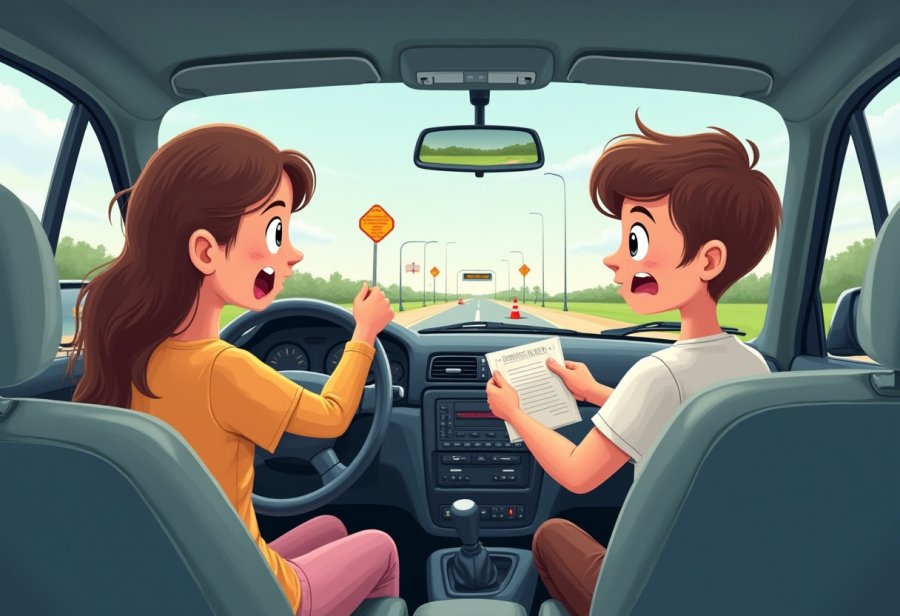
Real-life stories bring a tangible sense of progress and resilience to the journey of learning to drive. Take Sarah’s experience, for example. Her first attempt at merging onto a busy highway was nerve-wracking—hands trembling, heart pounding. But with steady practice and encouragement from her instructor, she gradually gained confidence. Over time, those initial fears transformed into moments of pride, like confidently navigating her first multi-lane roundabout or parking in tight spots. These small victories highlight how consistent effort and perseverance turn anxiety into competence.
Another inspiring story is Jake’s, who initially dreaded complex intersections. Starting in quiet neighborhoods, he slowly built his skills, one safe turn at a time. As he moved onto busier streets, the confidence he’d gained in calmer settings made a real difference. Watching these milestones unfold reinforces that progress is often a series of small, manageable steps. Each successful maneuver boosts self-trust, encouraging teens to push their boundaries further.
Practicing in real-world conditions often reveals the gap between classroom lessons and actual driving. Many teens begin with hesitant movements and shaky decisions but improve as they face real situations. For instance, someone might stall during a three-point turn but master it after several tries, gaining confidence with each effort. These tangible improvements demonstrate the importance of patience and targeted feedback, which help teens see their growth and stay motivated.
Personalized approaches make a significant difference. Some teens thrive with hands-on practice, while others respond better to visual aids or safety apps. For anxious learners, starting in low-pressure environments—like empty parking lots—helps them gradually build trust in their abilities. Recognizing individual learning styles allows instructors and parents to tailor guidance, transforming nerves into confidence and making each drive a positive step forward.
As teens gain more experience, their ability to handle challenging situations improves noticeably. Many start to navigate complex roads or merge onto highways more smoothly, with fewer hesitations. Yet, unfamiliar settings or stressful moments can still trigger nerves, reminding us that growth isn’t always linear. These moments underscore the importance of ongoing support and encouragement, reinforcing that progress is cumulative, not perfect.
Seeing teens succeed in real-world scenarios is deeply rewarding. It confirms that their initial fears can be replaced with a strong sense of capability. These stories of perseverance and small wins serve as powerful reminders: with patience, practice, and support, nervous beginners transform into confident, responsible drivers ready to take on life’s roads.
The Future of Teen Driving: Technology, Innovation, and Building Responsible Drivers
The future of teen driver education is set to be transformed by rapid technological advancements that make learning more engaging and effective. Virtual reality (VR) simulations are beginning to reshape how teens experience driving, offering immersive scenarios like city traffic or adverse weather conditions without any real risk. These tools help build confidence, sharpen decision-making, and improve hazard recognition—especially for those who find traditional lessons intimidating. As VR technology becomes more affordable and widespread, it’s likely to become a standard part of driver training, making practice safer and more accessible.
Artificial intelligence (AI) is also poised to personalize learning like never before. AI-driven coaching systems can analyze a teen’s driving habits in real time, providing tailored feedback that targets specific weaknesses. This adaptive approach accelerates skill development and enhances hazard awareness, helping teens respond more effectively to unpredictable road situations. Combining AI with immersive tech creates a comprehensive, customized training experience that prepares young drivers to handle both technical challenges and emotional pressures with greater confidence.
In addition, vehicle safety features are evolving rapidly. Advanced driver-assistance systems like automatic emergency braking, lane-keeping assist, and blind-spot warnings are becoming more common in new cars. These tools act as safety nets, reducing the likelihood of mistakes and easing anxiety for new drivers. When integrated into driver education, these features not only bolster confidence but also cultivate a mindset that values safety and responsible driving. This synergy between technology and training promises a future where teens can learn in a safer environment and develop better habits from the start.
Looking ahead, collaboration between tech companies, educators, and policymakers will be essential to create accessible, inclusive driver training programs. Merging traditional lessons with cutting-edge tools like mobile apps, online modules, and community-based initiatives can reach a broader range of learners. Such integration ensures that every teen, regardless of background, has the opportunity to develop the skills and resilience needed for safe driving. These innovations aim to make learning more adaptable, engaging, and relevant to today’s digital world.
Beyond skill-building, these technological innovations could significantly impact road safety. Well-prepared drivers tend to engage in fewer risky behaviors and are involved in fewer accidents. As immersive, personalized training becomes more common, we might see a decline in crashes and injuries among young drivers. This shift benefits families, communities, and entire road networks, making streets safer for everyone. Investing in smarter, tech-enhanced education today lays the foundation for a safer, more responsible generation of drivers.
Finally, addressing the emotional and psychological aspects remains crucial. Future driver education must go beyond technical skills to include mental resilience, peer influence management, and stress reduction techniques. Incorporating mental health support, peer-led discussions, and confidence-building exercises can equip teens with the emotional tools they need to handle real-world pressures. When technology and emotional preparedness work hand-in-hand, we’ll produce not just skilled drivers, but confident, responsible individuals ready to navigate the roads—and life—with maturity and calm.