Learning to ride a bike embodies more than just a childhood skill; it symbolizes courage, independence, and resilience. Yet, the fear of falling often confronts families, raising the question: does this fear overshadow the thrill of discovery? From early wobblings to solo rides, the journey fosters motor skills, confidence, and emotional strength, transforming setbacks into stepping stones. Historically rooted in cultural values of exploration and self-reliance, teaching methods have evolved—from informal lessons to innovative tools like balance bikes and virtual reality. Today’s approaches emphasize safety, patience, and personalized progress, making cycling accessible and joyful for all children. Looking ahead, technological advances promise to create even more inclusive, engaging experiences that nurture lifelong resilience and independence. As children continue to pedal toward new horizons, they forge not only physical skills but also enduring lessons about perseverance and growth—raising a vital question: will the fear of falling ever truly hold us back from embracing the freedom cycling offers?
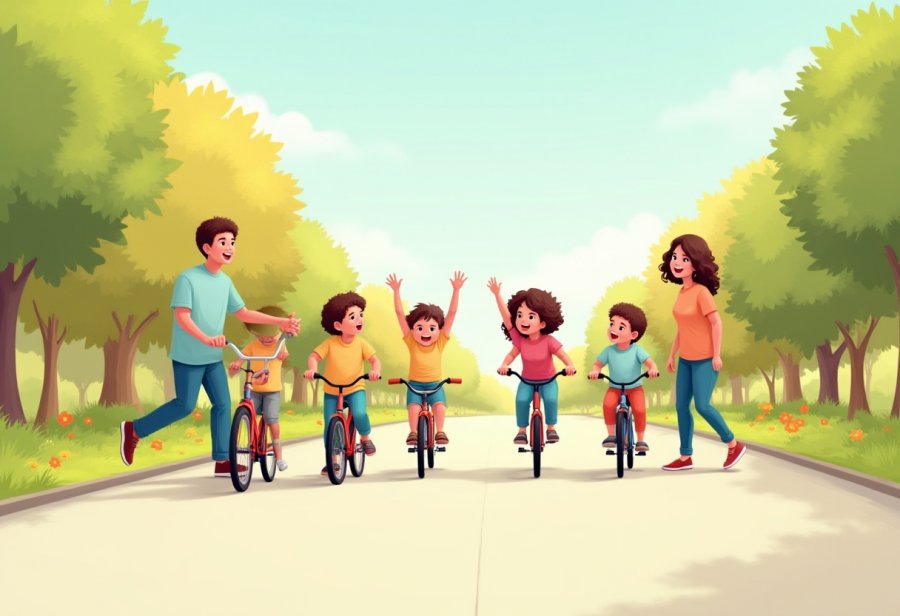
Celebrating the Step Toward Independence: Learning to Ride a Bike
Learning to ride a bike is more than just a childhood skill; it’s a milestone that marks a significant step toward independence and self-confidence. Those first wobbly attempts to balance on two wheels are often filled with a mix of excitement and nervousness—for both kids and parents alike. It’s a moment that sparks pride and a sense of achievement, creating memories that last a lifetime. Watching a child push off, waver, and finally glide on their own is a powerful reminder of growth and resilience.
For families, these early rides often become shared stories of perseverance. Parents remember their own journeys, seeing their child’s progress as a reflection of patience and encouragement. There’s a special bond that forms in those moments—supporting, cheering, and sometimes catching a fall—transforming a simple activity into a cherished family ritual. This shared experience deepens trust and reinforces the message that overcoming fears is part of learning and growing.
The physical act of riding a bike also plays a crucial role in childhood development. Learning to balance, steer, and pedal helps children refine their motor skills, coordination, and spatial awareness. These skills naturally transfer to other areas, from sports to academics, fostering a sense of competence and control. Each wobble, each fall, becomes a stepping stone that teaches children resilience and the importance of perseverance.
Beyond the physical benefits, riding a bike unlocks a world of independence. Children discover they can explore their neighborhood, visit friends, or run small errands on their own. This newfound freedom nurtures responsibility and decision-making, empowering kids to trust their judgment while understanding safety. It’s a taste of autonomy that encourages a responsible attitude and a sense of ownership over their actions.
Learning to ride also builds emotional strength. Kids often face setbacks—wobbles, falls, or moments of doubt—but with encouragement, they learn that failure is just part of the process. That resilience, cultivated through small victories and setbacks, becomes a vital part of their character. These lessons in persistence and effort shape how they approach challenges in all areas of life, from school projects to social interactions.
Ultimately, learning to ride is more than acquiring a new skill. It’s about cultivating confidence, independence, and resilience—all wrapped in a joyful, shared experience. The pride of finally riding solo, the laughter during falls, and the encouragement from loved ones create a tapestry of growth that lasts well beyond childhood. It’s a moment that captures the essence of childhood itself—a blend of courage, family bonds, and the thrill of discovery.
Tracing the Roots: The Cultural and Historical Significance of Teaching Kids to Pedal
The act of teaching children to ride bikes has deep roots that go beyond the simple skill of balancing on two wheels. It reflects broader cultural values around independence, exploration, and self-reliance. When bicycles emerged in the late 19th century, they quickly became symbols of progress and freedom, especially for children eager to venture beyond their immediate surroundings. Over time, the methods used to teach kids to ride evolved alongside societal attitudes about safety and development, shaping how this milestone is approached today.
Initially, children learned to ride in informal ways—by trying to balance and pedal with little guidance, often supported by a parent or sibling. The introduction of training wheels in the early 20th century revolutionized this process. These stabilizers provided a reassuring safety net, helping children gradually build confidence without fear of falling. This shift highlighted a growing awareness of safety concerns while maintaining the joy of discovery, making cycling an accessible activity for many young learners.
Across different cultures, riding a bike has long been seen as more than just a mode of transportation; it’s a rite of passage that signifies growing independence. In many societies, children’s first solo rides are celebrated as milestones marking their transition into greater freedom and responsibility. Bikes symbolize adventure, rebellion, or community, depending on the context, yet universally represent a step toward self-reliance and exploration. These cultural interpretations deepen the significance of learning to ride, turning it into a meaningful childhood experience.
Technological advancements have further transformed teaching methods. The rise of balance bikes, which omit pedals, emphasizes developing a child’s innate sense of balance before pedaling. These lightweight bikes help children gain confidence organically, reducing falls and easing the transition to traditional pedal bikes. Meanwhile, modern safety gear and supportive environments continue to promote a culture of encouragement and resilience, ensuring that learning to ride remains an empowering and positive experience.
Today, the history of teaching children to ride reflects a blend of tradition and innovation. From informal beginnings to structured programs equipped with high-tech tools, the focus has shifted toward fostering confidence, safety, and independence. Riding a bike remains a universal symbol of childhood growth—embodying not just a physical skill but also the values of perseverance, exploration, and the joy of discovery that continue to shape generations.
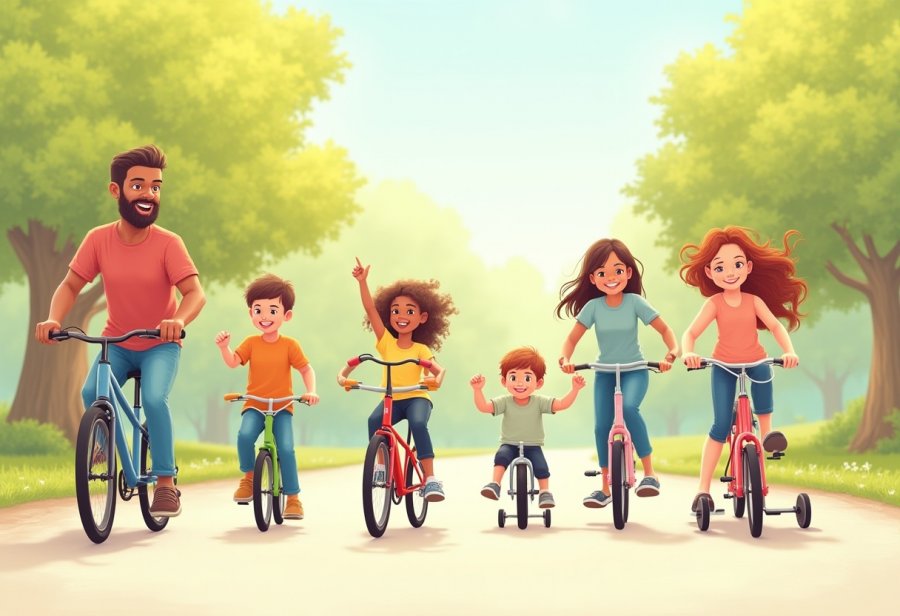
Modern Methods and Mindsets: How Today’s Society Approaches Learning to Ride
Today, teaching children to ride bikes combines traditional methods with innovative approaches that emphasize safety and confidence. Balance bikes, which exclude pedals, have gained popularity for helping kids develop their natural sense of equilibrium before tackling pedal bikes. These lightweight bikes allow children to focus on balancing and steering, often leading to a smoother, less intimidating transition. Because children learn at their own pace, balance bikes tend to reduce falls and build early confidence, making the process more enjoyable.
Training wheels remain a common choice, especially for younger children who need extra stability. They serve as a gentle introduction to pedaling and steering, allowing kids to experience independence gradually. Many parents see training wheels as a reassuring step that supports their child’s confidence without rushing the learning process. Both balance bikes and training wheels cater to different learning styles, offering flexible pathways toward riding solo.
Society’s view of cycling has shifted significantly. Today, riding a bike is widely recognized as an essential skill that promotes outdoor activity, physical health, and independence. Public campaigns and community programs emphasize safety gear—helmets, pads, and reflective clothing—as standard equipment. These measures help ease parental worries and encourage more children to ride confidently, knowing their safety is prioritized.
The focus now is on encouraging exploration and patience. Many programs favor positive reinforcement over strict rules, emphasizing that falls and mistakes are natural parts of learning. This approach helps children develop resilience and a growth mindset, understanding that effort is more important than perfection. As a result, children are more likely to enjoy the process and persist through challenges, fostering a lifelong love of cycling.
Technological advances are starting to reshape how kids learn to ride. Smart bikes with sensors provide real-time feedback on balance and pedaling, making the learning experience more interactive and tailored to each child’s needs. Virtual reality training scenarios are also emerging, allowing children to practice riding in safe, controlled environments. These tools help reduce anxiety and boost confidence early on, making riding less stressful and more fun.
Building Foundations: How Riding Boosts Confidence, Coordination, and Self-Reliance
Learning to ride a bike does more than teach children how to pedal; it significantly boosts their confidence and sense of independence. When kids finally find their balance and control, they experience a genuine feeling of achievement that encourages them to take on new challenges. This moment of success often motivates them to try more, stumble more, and develop resilience along the way. It’s a milestone that shapes their attitude toward growth and persistence well beyond childhood.
As children gain control over their bikes, their coordination improves noticeably. Balancing on two wheels requires motor skills, spatial awareness, and timing—all of which develop through practice. These skills don’t stay isolated; they transfer seamlessly to other activities like sports, dance, or even classroom tasks. Mastering pedaling, steering, and braking helps refine motor functions, making children more agile and confident in their movements.
Riding a bike also becomes a gateway to independence. Once kids learn how to navigate their surroundings on two wheels, their world expands. They can explore local parks, visit friends, or run small errands with a new sense of freedom. This autonomy fosters responsibility and decision-making, teaching children to trust their judgment while understanding the importance of safety. It’s a valuable lesson in self-reliance that will serve them throughout life.
Alongside physical and practical benefits, learning to ride nurtures emotional strength. Kids often face setbacks—wobbles, falls, or moments of doubt—but with encouragement, they learn that failure is just part of the process. Overcoming these hurdles builds patience and perseverance, qualities that become ingrained in their character. The resilience cultivated through riding translates into other challenges, helping children approach difficulties with confidence and a growth mindset.
The skills gained through riding—confidence, coordination, independence, and resilience—are fundamental to childhood development. They shape a child’s approach to new challenges and foster effort and persistence. Learning to ride isn’t just about mastering pedals; it’s about cultivating a mindset that embraces growth, trusts oneself, and finds joy in discovery. These lessons stay with children long after they’ve outgrown their bikes.
Finally, this journey creates lasting family memories. Watching a child overcome fears and finally ride solo is a moment of pride and joy for parents and caregivers. These shared milestones strengthen bonds and reinforce the idea that perseverance, support, and patience lead to incredible achievements. Riding a bike becomes a symbol of growth and resilience—an experience that embodies the very essence of childhood’s adventurous spirit.
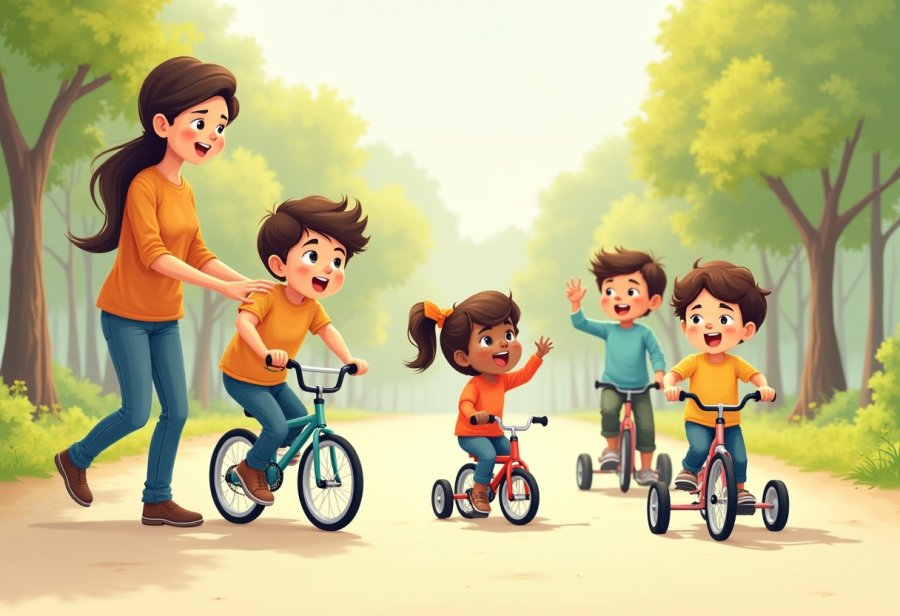
Innovating the Future: Emerging Trends and Technologies in Learning to Ride
The future of learning to ride a bike is set to become more engaging and personalized thanks to technological innovations. Smart bikes equipped with sensors can now provide real-time feedback on balance, pedaling, and steering, helping children correct their posture and technique as they learn. These tools not only make the process more efficient but also boost confidence early on, often reducing the time it takes for kids to feel comfortable riding independently. Parents and instructors are increasingly turning to these devices to support a smoother, safer learning experience.
Virtual reality is also beginning to carve out a role in bike education. Instead of only practicing outdoors or in busy streets, kids can simulate riding scenarios in safe, controlled environments. This approach allows them to develop essential skills without the immediate fear of falling or traffic, transforming learning into a fun, game-like activity. VR training can help children overcome initial anxieties, making the transition to real-world riding feel less daunting and more exciting.
As society’s attitudes toward cycling continue to evolve, inclusivity and accessibility are taking center stage. Adaptive bikes and specialized programs are expanding access for children with disabilities or different learning needs. This shift reflects a broader understanding that riding a bike is a universal skill—one that should be available to everyone, regardless of physical or cognitive differences. Community initiatives are increasingly focused on creating supportive environments, ensuring that every child can experience the independence and joy that come with cycling.
Technological advancements are also encouraging a shift toward more gradual, confidence-building learning methods. For example, sensor-equipped balance bikes and virtual simulations are used to tailor the experience to each child’s pace, reducing pressure and fostering a growth mindset. The focus is on encouraging exploration and resilience, rather than rushing to mastery. This approach helps children see setbacks as part of the process, making learning to ride a positive adventure rather than a source of stress.
Beyond technology, societal attitudes are emphasizing safety alongside independence. Schools, parks, and local cycling programs are adopting inclusive practices, promoting protective gear and safe spaces for practice. These environments support children in taking risks within a controlled setting, helping them build trust in their abilities while understanding the importance of safety. As a result, learning to ride is likely to become a more confident, joyful experience for future generations.
Looking ahead, the integration of these innovations promises a future where riding a bike is more accessible, enjoyable, and confidence-boosting than ever before. Children will have tools that adapt to their individual needs, making the journey less intimidating and more rewarding. This evolution will help foster a lifelong love of cycling, resilience, and independence—values that extend well beyond childhood. As new generations take to two wheels, they will do so with a sense of excitement, safety, and empowerment that continues to define this timeless milestone.