In a digital era where seamless communication is the backbone of success, how can organizations harness the power of customizable telephony solutions to transform their networks? Grandstream’s innovative devices promise more than just advanced features—they offer a pathway to streamlined deployment, superior call quality, and effortless scalability. With cloud management platforms like GDMS, businesses can configure, monitor, and troubleshoot hundreds of endpoints remotely, slashing operational costs and reducing downtime. The integration of secure, future-proof technology with flexible device ecosystems empowers teams to operate more dynamically, supporting remote work and personalized workflows. But as technology evolves rapidly, the question remains: are your current communication systems prepared to meet the demands of tomorrow’s digital landscape? Grandstream’s solutions don’t just keep you in the game—they redefine what’s possible, enabling organizations to craft resilient, efficient, and tailored networks that adapt effortlessly to change.
Enhance Your Business Communications with FiberConX’s Advanced VoIP Solutions in Canada
Discover the power of reliable VoIP and IP business phone services with FiberConX Communications. Based in Canada, FiberConX offers tailored solutions featuring voicemail, IVR, Ring Groups, and voicemail-to-mail capabilities to streamline your operations. Our cutting-edge features ensure seamless communication, improved customer experience, and efficient call management. Whether you’re a growing enterprise or an established business, FiberConX’s solutions are designed to meet your needs. For more information, contact us at [email protected] or call 1.800.961.6856. Explore our services under GRP2614 and elevate your business communication today.
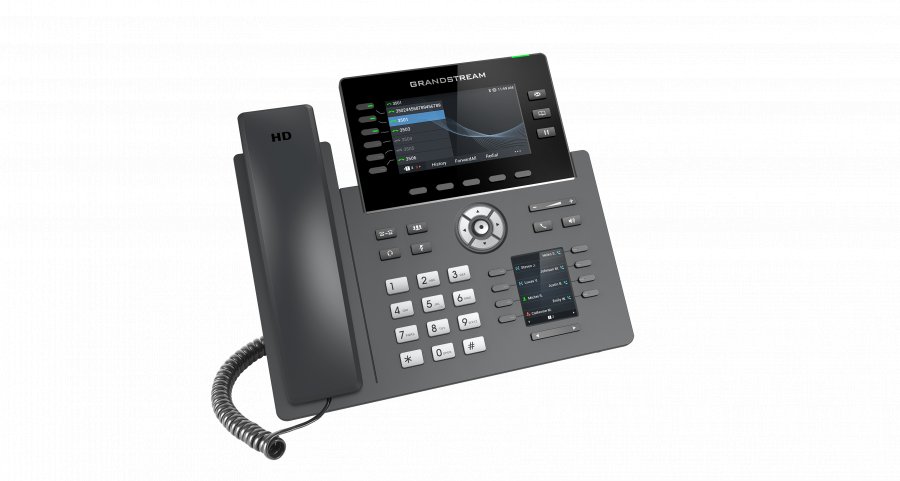
Unlock Business Growth with Customizable Telephony Solutions
In today’s business landscape, clear and reliable communication isn’t just a convenience—it’s a necessity. Companies of all sizes are increasingly relying on advanced telephony systems that can adapt quickly to changing needs, support remote teams, and deliver a personalized experience for customers. Traditional phone setups, often rigid and limited in features, no longer meet the demands of modern operations. That’s where customizable telephony solutions come into play, offering the flexibility to tailor communication infrastructure to specific organizational workflows and growth strategies.
These tailored systems enable organizations to select and configure features that align precisely with their operational priorities. Whether it’s implementing auto-attendants to handle high call volumes, routing calls based on personalized rules, or integrating with customer relationship management (CRM) platforms, customization enhances both efficiency and customer satisfaction. By designing a communication network that fits their unique requirements, businesses can streamline workflows, reduce unnecessary steps, and ensure that every interaction is purposeful and effective.
Understanding the core technology behind these solutions reveals their true power. At the heart of most modern telephony systems is Voice over Internet Protocol (VoIP), which digitizes voice signals and transmits them over the internet. This approach reduces costs significantly while unlocking a range of advanced features that traditional landlines simply can’t offer. Features like call forwarding, voicemail-to-email, and seamless integration with digital tools make it possible to craft a communication environment that supports remote work, scalability, and complex organizational structures—all while maintaining high call quality and reliability.
Beyond the technology itself, cloud management platforms have revolutionized how businesses deploy and maintain their telephony systems. Centralized control via platforms like Grandstream’s GDMS allows administrators to configure, update, and troubleshoot devices remotely. This not only speeds up deployment across multiple locations but also simplifies ongoing maintenance, reducing downtime and operational costs. Whether scaling up for growth or adjusting to evolving needs, cloud-managed systems make it easy to stay agile, ensuring that communication networks grow and adapt alongside the business.
Finally, device integration rounds out the picture. Modern telephony solutions support a broad ecosystem of endpoints—including desk phones, softphones, mobile apps, and contact center tools—that work seamlessly together. This interoperability creates a unified communication experience, where switching devices or platforms happens effortlessly. Employees can start a call on their desk phone and transfer it to their mobile device without interruption, or initiate a call directly from their CRM system. Such flexibility empowers teams to operate more efficiently, delivering a consistent, personalized experience for every customer interaction. Customizable telephony solutions are no longer just an option—they’ve become essential for organizations aiming to stay competitive in today’s fast-paced digital world.

Master the Core Technologies Powering Modern Telephony Systems
Telephony technology has come a long way from the days of traditional landlines, and understanding the core concepts behind modern systems is essential to appreciating their flexibility and potential. At the center of most contemporary solutions is Voice over Internet Protocol (VoIP), a technology that digitizes voice signals and transmits them over the internet. Unlike conventional phone lines, VoIP converts analog sound into digital data, allowing calls to be made over broadband networks. This shift not only lowers costs but also unlocks a wealth of advanced features that support customized workflows, such as call forwarding, auto-attendants, and seamless integration with other digital tools. Its adaptability makes VoIP the backbone of tailored communication systems designed to meet specific business needs.
Alongside VoIP, cloud-managed systems have revolutionized how organizations deploy and oversee their telephony networks. Instead of maintaining individual on-site devices, businesses now rely on centralized cloud platforms like Grandstream’s GDMS. These platforms enable remote configuration, updates, and troubleshooting through a single, user-friendly interface. This approach simplifies management and accelerates deployment across multiple locations. With cloud management, adding new users, modifying settings, or troubleshooting issues can be done quickly and remotely, reducing downtime and operational costs. This flexibility provides organizations with the agility to grow, adapt, and respond rapidly to changing market demands without the technical hurdles traditional systems often impose.
Device integration plays a crucial role in creating a cohesive communication environment. Modern telephony solutions support a wide ecosystem of endpoints, including desk phones, softphones, mobile apps, and contact center tools. When these components work together seamlessly, users enjoy a unified experience that matches their operational workflows. Employees can start a call on a desk phone and transfer it effortlessly to their mobile device without interruption. Similarly, click-to-dial functions from CRM systems streamline customer interactions. This interoperability ensures that switching between devices or platforms is smooth, fostering a flexible and responsive communication environment. Such integration supports personalized workflows, helping teams operate more efficiently and deliver better customer service.
The technological foundation of modern telephony emphasizes scalability and security. VoIP systems are designed to handle increasing call volumes without sacrificing quality, making them suitable for organizations of all sizes. Features like Quality of Service (QoS) prioritize voice traffic, ensuring clear calls even during peak times. VLAN segmentation further isolates voice data from other network traffic, enhancing both security and stability. These measures prevent issues like latency, jitter, or dropped calls, which can hinder professional communication. Regular firmware updates and centralized control through cloud platforms keep endpoints running optimally, reducing the risk of security vulnerabilities or system failures over time.
Interoperability extends beyond hardware; it encompasses software platforms and digital tools that integrate with telephony systems. Many solutions support open standards, enabling easy connection with customer relationship management (CRM) platforms, contact center software, or mobile applications. This interconnectedness allows users to initiate calls directly from their CRM, receive caller ID popups, or transfer calls between devices seamlessly. Such interoperability enhances productivity and ensures that communication flows naturally, regardless of the device or platform in use. It also allows businesses to customize their communication ecosystem, aligning it closely with their operational workflows and customer engagement strategies.
Implementing these core technologies requires a strategic approach, but the benefits are clear. Cloud-managed systems and device integration simplify deployment and ongoing management, reducing the need for extensive technical support. Organizations can provision devices remotely, configure settings centrally, and troubleshoot issues without on-site visits. This ease of management makes scaling up or down straightforward, supporting rapid growth or restructuring. It also means that businesses can focus more on their core operations rather than technical maintenance, confident that their communication infrastructure is robust, flexible, and future-proof.
Understanding these foundational elements—VoIP, cloud management, and device integration—demonstrates how modern telephony systems empower organizations to craft personalized, efficient, and scalable communication networks. By leveraging these technologies, businesses can improve call quality, streamline workflows, and support remote and mobile workforces. As digital transformation accelerates, mastery of these core concepts becomes even more vital, enabling organizations to adapt quickly and stay competitive. Together, they form a resilient infrastructure that evolves with your business, ensuring seamless communication now and into the future.

Elevate Communication Efficiency with Grandstream’s Advanced Endpoint Devices
Grandstream’s endpoint solutions are revolutionizing how businesses approach communication, delivering high-performance devices that combine ease of deployment with powerful management features. Designed with flexibility in mind, their range of IP phones and endpoints enable organizations to tailor their communication environment to specific operational needs, directly translating into more efficient and reliable networks.
One of the key advantages of Grandstream devices is their support for mass deployment through auto-provisioning. This technology allows IT teams to configure hundreds of phones remotely via centralized management platforms like GDMS, drastically reducing manual setup and deployment time. Whether expanding to new locations or upgrading existing infrastructure, organizations can ensure consistency and security across all endpoints with minimal effort, eliminating the typical logistical hurdles in large-scale rollouts.
Network performance is enhanced through advanced features incorporated into Grandstream’s devices. Support for Quality of Service (QoS) prioritizes voice traffic, preventing latency and jitter that can degrade call quality during busy periods. VLAN segmentation further isolates voice traffic from data, safeguarding both security and network stability. These measures guarantee clear, professional audio and uninterrupted conversations even during peak usage, a crucial factor for maintaining customer trust and internal efficiency.
Interoperability is at the heart of Grandstream’s device ecosystem. Their endpoints seamlessly integrate with a wide array of digital tools, including contact center platforms, CRM systems, and mobile applications. This interoperability facilitates a unified communication experience—employees can start a call on their desktop and transfer it effortlessly to a mobile device or switch between platforms without losing context. Such flexibility supports personalized workflows, enabling teams to operate more dynamically and respond swiftly to customer needs.
Remote management capabilities further streamline deployment and ongoing maintenance. Through cloud-based platforms like GDMS, administrators can configure, update, and troubleshoot devices from anywhere. This reduces the need for on-site visits, accelerates troubleshooting, and minimizes downtime—crucial benefits for organizations with multiple locations or rapid growth plans. Devices can be added or reconfigured in minutes, making scaling operations faster and more cost-effective.
Investing in Grandstream’s endpoints also means future-proofing communication infrastructure. Their devices support the latest standards and are designed to accommodate future upgrades, ensuring compatibility with evolving technology landscapes. The extensive customization options and scalable deployment tools allow businesses to adapt quickly to changing operational demands without overhauling their entire system, supporting long-term growth.
Security features integrated into Grandstream devices bolster network integrity. Support for encrypted communications and secure boot processes protect sensitive data, while regular firmware updates via centralized management prevent vulnerabilities. This proactive approach ensures that the communication system remains resilient against cyber threats and technical failures, maintaining trust and compliance.
Choosing Grandstream’s innovative endpoint solutions transforms traditional business communication into a streamlined, scalable ecosystem. These devices enable faster deployment, deliver consistent high-quality voice performance, and support seamless integration across platforms. They empower organizations to craft personalized communication workflows that enhance productivity and customer engagement, all while reducing operational complexity. As the digital landscape continues to evolve, leveraging these advanced endpoints positions businesses for sustained growth and adaptive resilience, ensuring they stay ahead in competitive markets.